Key Takeaways
Singapore’s clan associations grew from practical needs among migrants, then became places where identity, welfare and memory could take root.
- They connected people through surnames, dialects and ancestral districts.
- They helped newcomers find work, lodging, advice and mutual support.
- Their halls supported education, worship, ceremonies and social life.
- Cooperation gradually linked separate Chinese communities across the colony.
- Today, many associations preserve language, archives, buildings and living traditions.
What Singapore clan associations are and why they mattered
Singapore clan associations were community organisations formed around shared ancestry, locality or dialect. For migrants arriving without close family nearby, they offered a familiar name and a practical point of contact. They were neither simply social clubs nor replacements for the family home. Their importance lay in bringing several kinds of support together under one roof.
Their story belongs to the wider history of ordinary people who made lives in the port, from shopkeepers and traders to labourers and teachers. The everyday lives of Singapore communities reveal why these organisations mattered: migration was not only a movement of people, but also a careful rebuilding of routines, obligations and trust.
From shared surnames to regional and dialect identities
Some associations gathered people who shared a surname or belonged to an extended lineage. Others were organised around a district, county, village or wider region in southern China. Dialect communities could also form powerful networks, allowing people who spoke Hokkien, Teochew, Cantonese or Hakka to recognise one another in a busy and unfamiliar town.
The boundaries were not always neat. A person might belong through a family name, an ancestral place and a dialect connection at the same time. This layered identity is central to understanding the diverse nature of clan associations, which included both bloodline-based and locality-based organisations.
How associations differed from temples, guilds and secret societies
A temple centred on religious observance, while a guild usually brought together people working in the same trade. A clan association was more closely tied to kinship or place of origin, although its activities could overlap with worship, commerce and ceremony. It might manage a hall, support a school, organise a funeral or mediate a disagreement.
Secret societies operated under very different conditions and carried different legal and social meanings. Clan associations, by contrast, developed as recognisable community bodies and were subject to colonial regulation. Their public role rested on mutual aid rather than secrecy, even when everyday life brought them into contact with temples, merchants and other organisations.
The role of trust in a migrant society
Trust had a practical value in a port where newcomers often arrived with little money, few documents and no established reputation. A recommendation from someone known to an association could open a door to work or a bed in a crowded lodging house. Shared speech and remembered places gave strangers a reason to take one another seriously.
That trust was never automatic, and it could be unevenly distributed. Associations had rules, elders and expectations, but they also created ways for people to be seen and vouched for. Trust became a form of infrastructure: less visible than a road or quay, yet essential to moving through the city.
Why these organisations became centres of belonging
Belonging was made through repeated small encounters. Members met to discuss family matters, settle practical questions, mark festivals and remember those who had died. A hall could feel administrative in the morning and warmly domestic by evening, filled with conversation, tea, incense or the sound of rehearsals.
For migrants whose families remained in China, the association offered continuity without pretending that Singapore was merely temporary. It made room for inherited customs while allowing a new local life to develop. That balance would become more complicated as the colony changed and later became an independent nation.
The migrant networks that shaped early Singapore
Early Singapore was tied to the sea routes of Southeast Asia and to the towns, villages and districts of southern China. New arrivals followed relatives, employers, boat crews and business contacts rather than travelling into a blank landscape. They entered networks already shaped by trade, language and obligation.
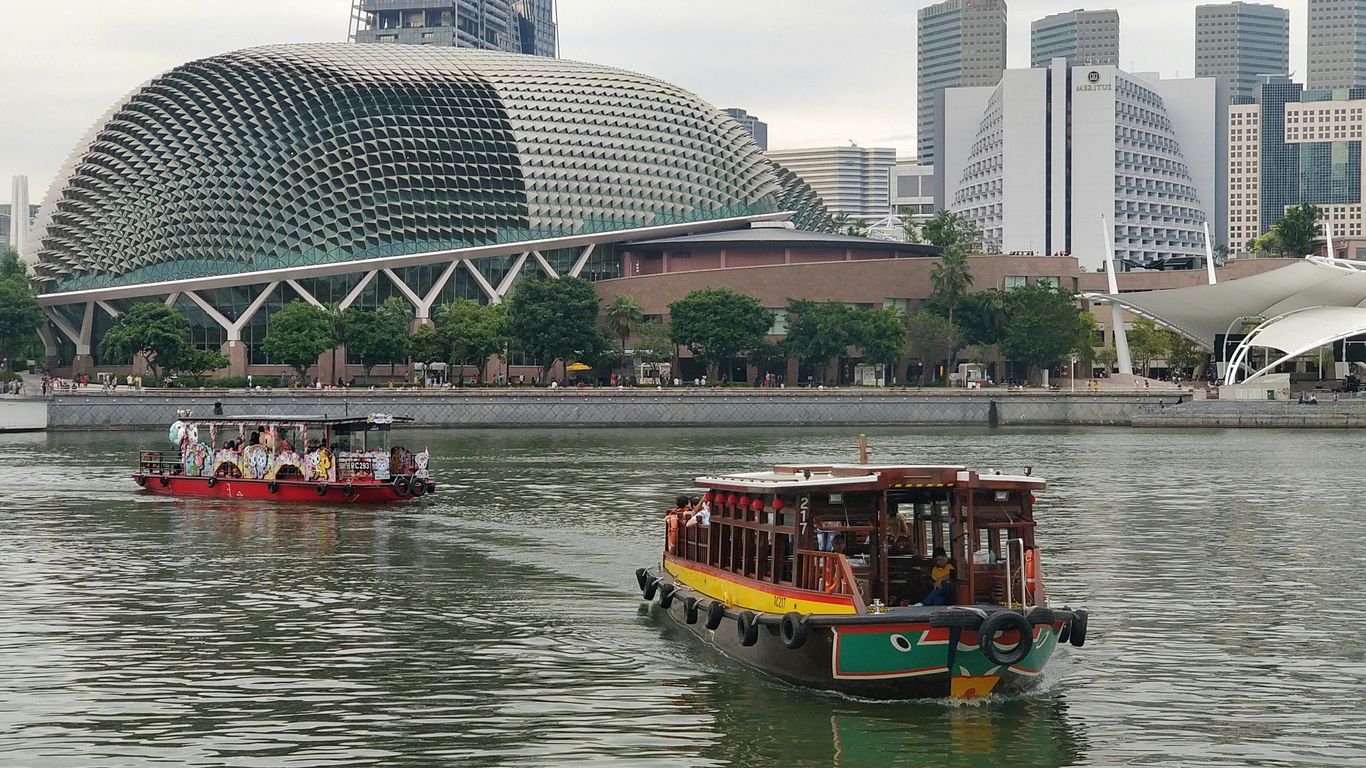
These connections influenced where people stayed, how they found work and whom they trusted. They also explain why the history of Singapore cannot be told only through governors, buildings or commercial statistics. The Singapore River’s working history brings the movement of goods and labour into view, including the human effort behind the port’s growth.
Southern China, maritime trade and the flow of newcomers
Many Chinese migrants came from coastal and river-connected parts of southern China, where maritime trade had already created links with ports across the region. Singapore’s position made it a place of arrival, transfer and opportunity. Some newcomers intended to earn money and return home; others gradually brought relatives over and settled more permanently.
The passage was not a single experience. Merchants, artisans, domestic workers and labourers encountered different risks and prospects. Yet most benefited from some form of prior connection, whether a village contact, a dialect association or a business partner who had arrived earlier.
Hokkien, Teochew, Cantonese and Hakka community ties
Dialect identity shaped social life as well as speech. Hokkien networks were influential in commerce and community organisation; Teochew ties supported trading and food businesses; Cantonese communities included artisans, workers and merchants; and Hakka associations maintained connections among people from several related districts. These descriptions are broad, and individual lives frequently crossed them.
The associations gave such identities an institutional form. They could collect subscriptions, maintain records and organise assistance, turning a shared background into something more durable than a spoken accent heard in a crowded street. At the same time, no dialect group was isolated from the others: markets, workplaces and neighbourhoods brought people into daily contact.
How regional origins influenced settlement patterns
People often clustered near relatives, employers or others who could help them settle. Such patterns shaped shophouse rooms, boarding houses, places of worship, markets and streets of specialised work. They were not fixed ethnic enclaves in the modern sense, but practical concentrations that made information and support easier to reach.
Chinatown’s old shophouses still help readers imagine this relationship between arrival and daily life. The early immigrant life of Chinatown can be read through shared living spaces, trade connections and the close relationship between lodging and employment. The built environment was part of the network, not merely its backdrop.
The importance of kinship when families were far away
Kinship could be literal, remembered through a genealogy, or created through shared obligation. An older member might guide a younger arrival, introduce him to a shop owner or explain which customs mattered at a funeral. These relationships could soften loneliness, though they also placed duties on the newcomer to contribute in turn.
Letters, remittances and ancestral rites kept distant families present in everyday decisions. An association helped hold those distant ties in a local setting. It was a place where someone could speak of home while learning how to live somewhere else.
How associations supported everyday life
The value of clan associations was often clearest in ordinary situations: a person needed a room, a job, a loan, a translator or help with a burial. Their work did not always appear in official histories because it took place through conversations, introductions and modest subscriptions. Still, those practical acts shaped whether newcomers could establish themselves.
Support varied between organisations and over time. Some had greater resources, stronger buildings or wealthier patrons than others. Across the network, however, the principle was recognisable: members contributed when able so that assistance could be available when circumstances turned difficult.
Finding work, accommodation and business contacts
A new arrival rarely knew which employer was reliable or which lodging house would accept him. Association members could offer introductions and warnings, sometimes helping someone enter a trade already familiar to the group. Business contacts extended beyond formal employment, linking suppliers, shopkeepers, boatmen and customers.
The arrangement was reciprocal. A newcomer gained access to knowledge, while the association gained another member who might later contribute money, labour or expertise. In a dense port city, a recommendation could be more useful than a general advertisement because it carried personal accountability.
Providing welfare, loans and support during hardship
Welfare could include emergency money, food, help with illness or support for a member’s dependants. Loans were especially significant for people who lacked access to formal banking or had no property to offer as security. Associations could also collect funds after a death, fire or business failure.
The forms of support were shaped by the resources of each body, but several recurring needs stand out. They show why the organisations were more than ceremonial institutions:
- short-term help for illness, injury or unemployment;
- introductions to employers, landlords and trusted traders;
- contributions towards funerals and transport of remains;
- assistance for widows, orphans and elderly members.
Such help did not remove hardship. It made hardship less isolating, which was often the difference between a temporary crisis and a permanent collapse. Mutual aid worked because members saw contribution as a future responsibility, not simply a present benefit.
Helping newcomers navigate language and local customs
Language shaped every encounter, from negotiating wages to speaking with officials. A dialect-speaking association could explain unfamiliar procedures and make a newcomer’s needs intelligible to people outside his immediate circle. Members also learned the customs of a multilingual colonial town through one another.
This guidance was informal and practical. It might involve explaining how a market worked, where to find a particular kind of medicine or how to arrange a religious ceremony. The association translated not only words, but expectations.
Arranging burials, ancestral rites and care for the vulnerable
Death exposed the insecurity of migration. Someone who died far from home still needed a funeral, a grave and the observances expected by family. Associations could help arrange these matters, maintain cemetery connections and communicate with relatives across the sea.
Care for vulnerable members continued beyond the funeral. Elderly people without close family, widows and children could receive attention through association funds or personal networks. These responsibilities joined the practical and spiritual sides of community life, reminding members that belonging included obligations at the beginning, middle and end of a life.
The buildings and institutions behind community life
A clan association became visible through its premises. The hall, school, cemetery or charitable institution gave community ties a physical address, often in streets crowded with businesses and homes. These places stored registers and ancestral tablets, but they also held meetings, lessons, performances and meals.
Their significance can be easy to miss when a city is viewed only through preserved façades. A building’s value lies partly in what happened inside it: who was welcomed, who made decisions and which families returned year after year. Heritage is often found in these accumulated uses.
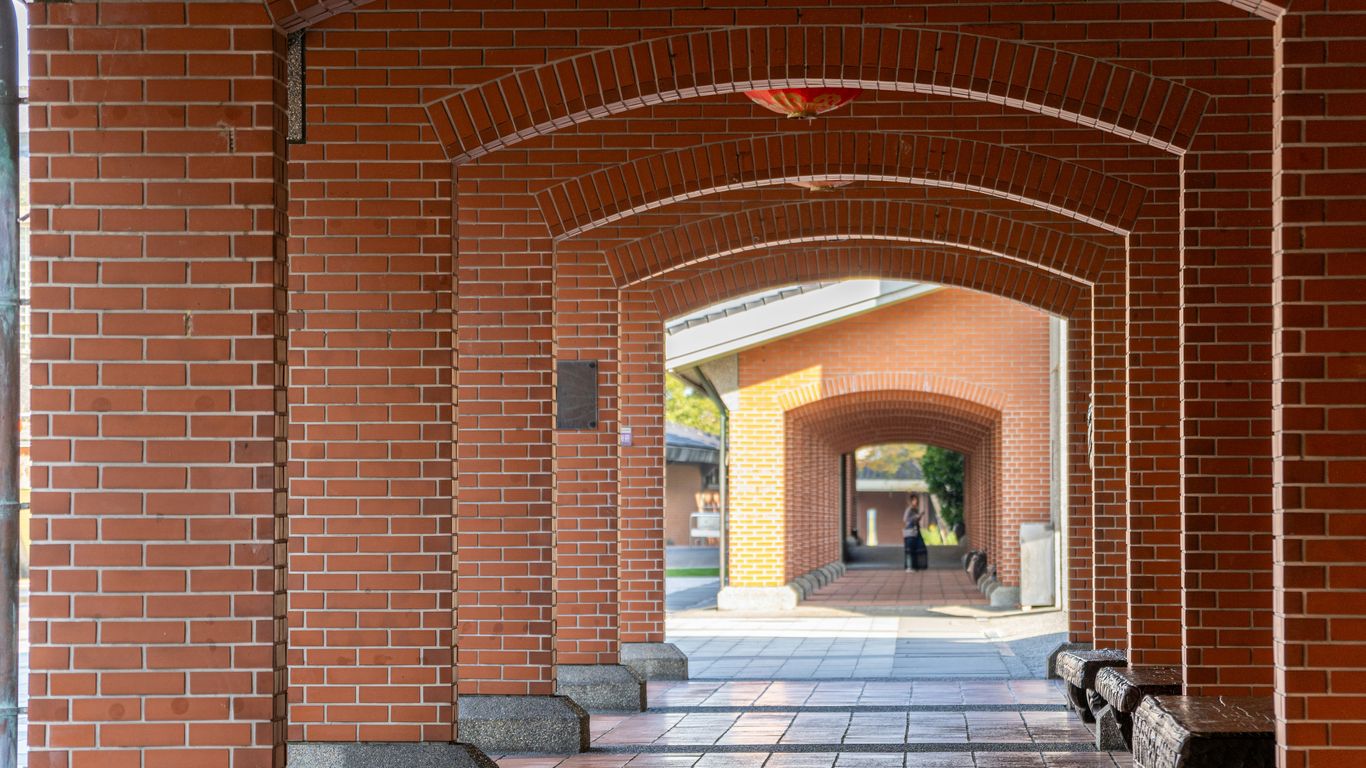
Clan association halls as social and administrative spaces
The hall was a meeting place, office, reception room and ceremonial setting. Committee members discussed subscriptions and welfare cases, while elders handled introductions or disputes. During festivals, the same rooms could become bright with banners, music and visiting relatives.
A hall also created a sense of permanence. Migrants might change jobs or move between rented rooms, but the association’s address endured as a shared point of reference. Its registers and minutes made community history legible, even when individual stories were never recorded elsewhere.
Schools, scholarships and the expansion of education
Education became one of the most lasting ways associations invested in the future. Schools taught literacy, languages and cultural knowledge, while scholarships helped capable students continue their studies. Such efforts reflected a shift from supporting immediate survival to preparing younger generations for wider opportunities.
The schools were not separate from migration history. They were responses to families trying to give children choices that the first generation had lacked. Later, formal education expanded through public systems, but association support continued to express a commitment to language, learning and communal responsibility.
Hospitals, cemeteries and other shared services
Some associations helped establish or finance services that individual households could not easily provide. Medical care, burial grounds and charitable facilities addressed risks that followed migrants through every stage of life. They also made community responsibility visible to the wider city.
The scale of provision differed greatly, so no single model describes every association. A small surname group might concentrate on rites and welfare, while a larger regional body could support schools or substantial charitable work. The table below shows how these institutions complemented one another.
| Institution | Immediate need | Wider community effect |
|---|---|---|
| Association hall | Meetings, records and ceremonies | A stable public home for members |
| School or scholarship fund | Learning and advancement | Greater opportunities for younger generations |
| Cemetery or burial network | Rites and care after death | Continuity with family and ancestral practice |
| Hospital or charitable service | Treatment and relief | Shared protection during serious hardship |
Together, these places formed a loose social infrastructure. They connected a person’s working life to education, illness, family duty and remembrance rather than treating each need as separate.
Festivals, opera and rituals that reinforced identity
Culture made membership felt. Opera, festivals, ancestor rites, dinners and language activities brought people together in ways that were not reducible to welfare. They offered younger members a way to encounter inherited traditions through sound, food, movement and participation.
Ritual also helped communities adapt. A ceremony carried memories from an ancestral district, yet took place in Singapore among neighbours and friends. Over time, these repeated occasions turned migration into a local history with its own calendar.
How associations built bridges across migrant communities
Separate associations could protect particular identities, but the city required cooperation as well. People traded across dialect lines, lived beside one another and faced common colonial regulations. Community leaders therefore had to hold two ideas together: preserving a distinct inheritance and participating in a shared Singapore.
This bridge-building was gradual and sometimes uneasy. It involved formal federations, public events, schools and negotiations over language and cultural expression. It also reflected the changing political meaning of being Chinese in a multilingual colony.
Cooperation between surname, dialect and regional organisations
Associations collaborated when a problem exceeded the capacity of one group. They might coordinate charitable work, support public celebrations or speak collectively about community concerns. Surname organisations brought intimate kinship ties, while regional and dialect bodies often had wider membership and stronger institutional resources.
Cooperation did not erase difference. It allowed groups to exchange knowledge and present a more connected civic presence. The result was a network made from many small loyalties rather than a single organisation that replaced them all.
The Singapore Federation of Chinese Clan Associations
The Singapore Federation of Chinese Clan Associations emerged from efforts to give the wider network a common platform. Its formation in the 1980s reflected concern about ageing and declining membership, as well as a wish to revitalise the associations’ cultural and educational roles. The federation continues to represent and support Chinese clan associations in Singapore, as described in this account of the Singapore Federation.
Its importance is organisational as much as symbolic. An umbrella body can share programmes, encourage cooperation and help smaller associations remain visible. It also gives the public a way to understand clan associations as part of Singapore’s civic and cultural history rather than as isolated private clubs.
Negotiating cultural identity in a multilingual colony
Colonial Singapore contained several major language communities, and public life required constant negotiation between them. Chinese associations sought to maintain language and customs while operating within institutions shaped by British administration and a diverse population. Their schools, newspapers, ceremonies and meetings all took part in that negotiation.
Identity was therefore not a sealed inheritance. It was spoken, taught and adjusted in response to neighbours, workplaces and changing political conditions. The associations helped people retain a sense of origin while making that origin intelligible in a shared urban setting.
Tensions between local belonging and ties to China
Many members retained strong emotional and family connections to ancestral places in China. Yet their children might be born in Singapore, attend local schools and imagine their future on the island. The association had to accommodate both attachments without assuming that one cancelled the other.
These tensions became sharper as ideas of citizenship and nationhood developed. A community could honour ancestral rites while participating fully in Singapore’s civic life. The eventual direction was not simple severance, but a gradual rebalancing of where belonging was felt and practised.
Change after independence
Independence altered the setting in which clan associations worked. A developing state began to provide services that associations had once supplied through subscriptions and personal networks. Housing, schools, healthcare and welfare became increasingly organised on a national scale.
That change reduced some older pressures, but it also weakened the everyday necessity of belonging to a clan association. Members moved more often, married across community lines and used common institutions. Associations had to ask what their role could be when survival no longer depended on the same forms of mutual aid.
The decline of traditional clan networks
The decline was uneven rather than absolute. Some associations retained active committees and substantial programmes, while others faced ageing memberships, fewer volunteers and difficulty attracting younger people. The loss of older welfare functions made the difference particularly visible.
Decline also reflected success in the wider society. When people could find housing, education and assistance through public systems, a clan association no longer needed to carry every burden. Its challenge became proving the continuing value of connection, memory and cultural practice.
Housing policy, mass education and a more mobile population
Mass public housing changed the geography of daily life. Families moved into planned estates with schools, markets and community facilities, often far from the shophouses and halls associated with earlier migrant districts. Shared routines became less dependent on dialect neighbourhoods.
Education encouraged communication across language communities and opened paths beyond inherited occupations. Mobility brought freedom and opportunity, but it also loosened the dense local networks that had once made an association an almost unavoidable part of adult life.
From welfare providers to cultural and heritage organisations
As public services expanded, many associations placed greater emphasis on culture, education and heritage. Language classes, scholarships, exhibitions and celebrations became ways to keep membership meaningful. Some also preserved genealogies, photographs, meeting records and buildings that might otherwise have disappeared.
This shift did not make the organisations merely decorative. Cultural work can carry relationships across generations, especially when it is linked to real family histories and community responsibilities. The history of Singapore’s transformation shows how quickly the city’s institutions and routines changed, giving preservation a clear social purpose.
Adapting activities for younger Singaporeans
Younger members may not speak the ancestral dialect fluently or recognise the names in an old register. They may still be curious about a great-grandparent’s village, a family association or the reason a festival is observed in a particular way. Associations that begin with those questions can make tradition feel open rather than compulsory.
Some have responded through talks, performances, educational activities and collaborations. Singapore Heritage’s storytelling experiences take a related approach by connecting visitors and residents with community stories in the places where those stories unfolded. The emphasis is on conversation and lived detail, not on treating heritage as a distant display.
Why Singapore clan associations still matter today
Singapore clan associations remain valuable because they hold forms of knowledge that are difficult to replace. A government record may show a date, while an association archive can reveal a family connection, a meeting practice or the names of people who quietly supported one another. A building can hold the atmosphere of repeated gatherings as well as its formal architectural features.
Their future depends on remaining useful to people who live differently from earlier generations. That may mean welcoming members without the old dialect fluency, making archives easier to access or connecting historic places with thoughtful public programmes. The wider community memory work in Singapore demonstrates how residents can help keep local stories active through photographs, recollections and shared research.
Preserving language, genealogy and family histories
Language classes and dialect activities can preserve more than vocabulary. They keep open a route into jokes, names, songs and family stories that may not translate neatly into English or Mandarin. Genealogies likewise give individuals a way to place themselves within a much longer chain of migration and settlement.
These records need careful interpretation. A surname does not explain an entire life, and family histories often include movement between dialect groups, religions and neighbourhoods. Associations can preserve complexity by recording personal memories alongside formal lineage documents.
Maintaining historic buildings and community archives
Historic halls are vulnerable to rising land values, expensive repairs and changing patterns of use. Their survival depends on more than preserving a façade. The rooms, furniture, plaques, registers and ceremonial objects all help explain how the organisation functioned.
Archives require similar care. Digitisation can improve access, but handling old photographs and documents also demands consent, context and credit. Singapore Heritage’s researched gifts reflect a related principle: objects are intentionally limited, researched with the community, credited to their makers and designed to keep a story alive.
Supporting cultural events in a changing city
Festivals, performances and talks give an association a public life. They allow neighbours and visitors to encounter traditions without requiring prior family membership, while giving older members a reason to pass on knowledge. Food, music and ritual can make an historical subject immediate and generous.
The strongest events avoid presenting culture as frozen. They show how a practice has travelled, changed and found a place in Singapore. Singapore Heritage’s heritage walks similarly connect people with neighbourhoods, foodways, objects and everyday practices through small-group experiences led by storytellers familiar with the streets.
What their survival reveals about migration and belonging
The survival of clan associations suggests that modern citizenship does not remove the need for smaller circles of belonging. People still want to know where their families came from, who cared for earlier generations and how a neighbourhood acquired its habits. At the same time, those circles must remain porous enough to welcome people whose lives no longer fit older categories.
Their history is therefore neither a story of disappearance nor a simple revival. It is a record of adaptation: from mutual aid to cultural work, from private membership to public heritage, and from distant ancestral ties to a rooted Singaporean identity.
CTA: Walk the Stories
Readers can explore these layers on a Singapore Heritage small-group heritage walk, where local storytellers connect streets, places and community memories. Book a walk to encounter Singapore’s history at walking pace.
Conclusion
Singapore clan associations helped migrants turn uncertainty into community, using shared names, places and obligations to build a life in a new port. Their halls and institutions supported work, welfare, education, ritual and memory, while their later adaptations show that belonging can change without becoming empty. Their stories remain close to the streets, buildings and everyday practices that continue to make Singapore feel like home.
Frequently Asked Questions
What were Singapore clan associations?
They were community organisations formed around shared surnames, ancestral districts, regional origins or dialect identities, providing mutual support and cultural connection.
Why did migrants join clan associations?
Migrants joined to find practical help such as work contacts, accommodation advice, welfare, loans, language assistance and support with funerals or family matters.
Were clan associations the same as temples?
No. Temples centred on religious worship, while clan associations focused more directly on kinship, locality, welfare, education and community administration, though the two could work closely together.
Which communities formed clan associations in Singapore?
Hokkien, Teochew, Cantonese and Hakka communities formed many associations, alongside groups based on particular surnames, villages, counties and regions.
What happened to clan associations after independence?
Many traditional welfare functions shifted to the state, and housing, education and greater mobility loosened older networks. Associations increasingly focused on culture, heritage, scholarships and community events.
Why are clan association buildings historically important?
Their halls preserve evidence of meetings, ceremonies, education, welfare and social life. Their records and objects can also reveal family and community histories that are absent from official accounts.
Do clan associations still matter today?
Yes. They continue to preserve language, genealogy, archives, buildings and cultural practices, while offering younger generations ways to explore migration and belonging.