Key Takeaways
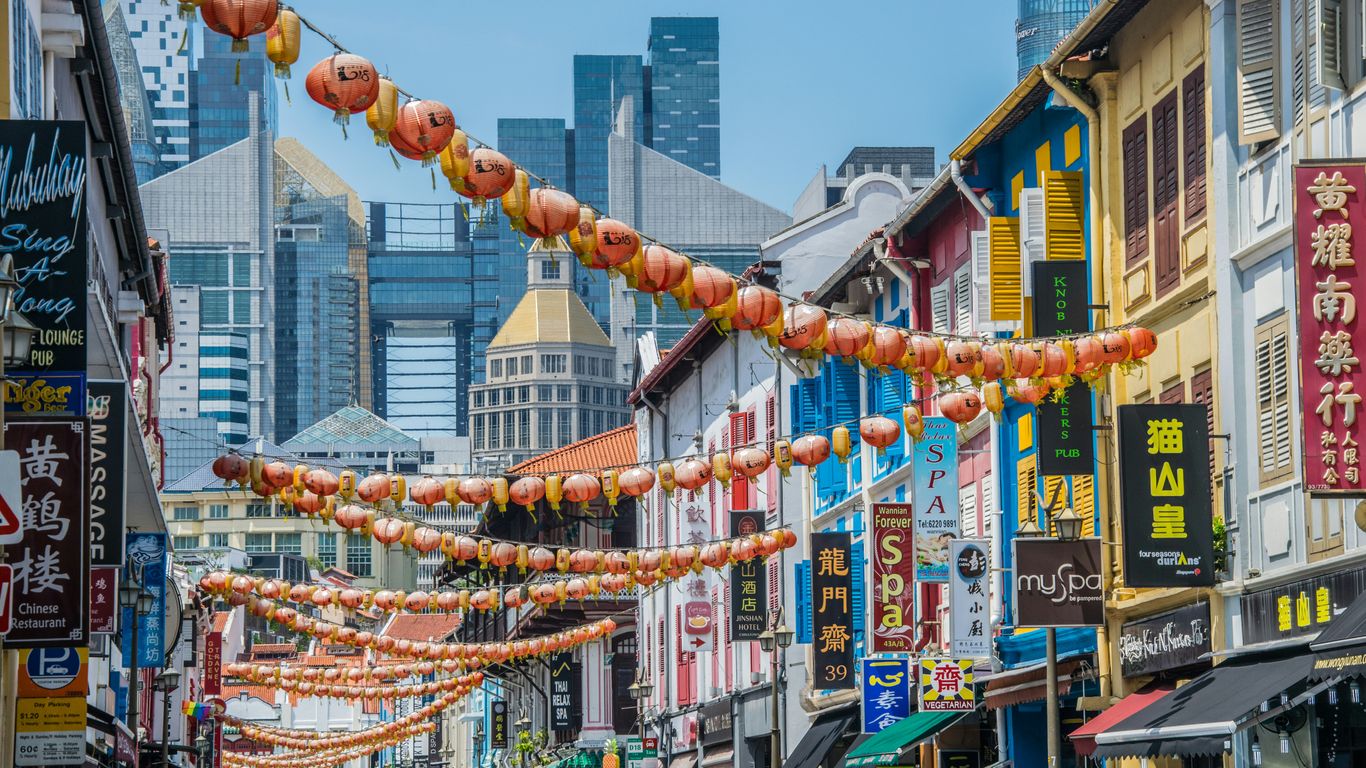
Chinatown’s old shophouses preserve more than architectural charm; they hold clues about migration, work, family life and belonging.
- Shophouses often brought living, working and social life under one roof.
- Five-foot ways were practical spaces where movement became community.
- Early immigrants relied on trade networks, shared lodging and mutual aid.
- Reconstructed interiors help visitors imagine daily life without replacing historical evidence.
- Careful walking can reveal how Chinatown remains a living neighbourhood.
Reading Chinatown’s shophouses as living historical records
A conserved shophouse can look still, but its structure records constant movement. People arrived, worked, ate, prayed and rested within narrow buildings designed for many overlapping purposes. Read closely, the façade becomes an invitation to ask who used each space and what pressures shaped their choices.
How the shophouse combined home, workplace and community space
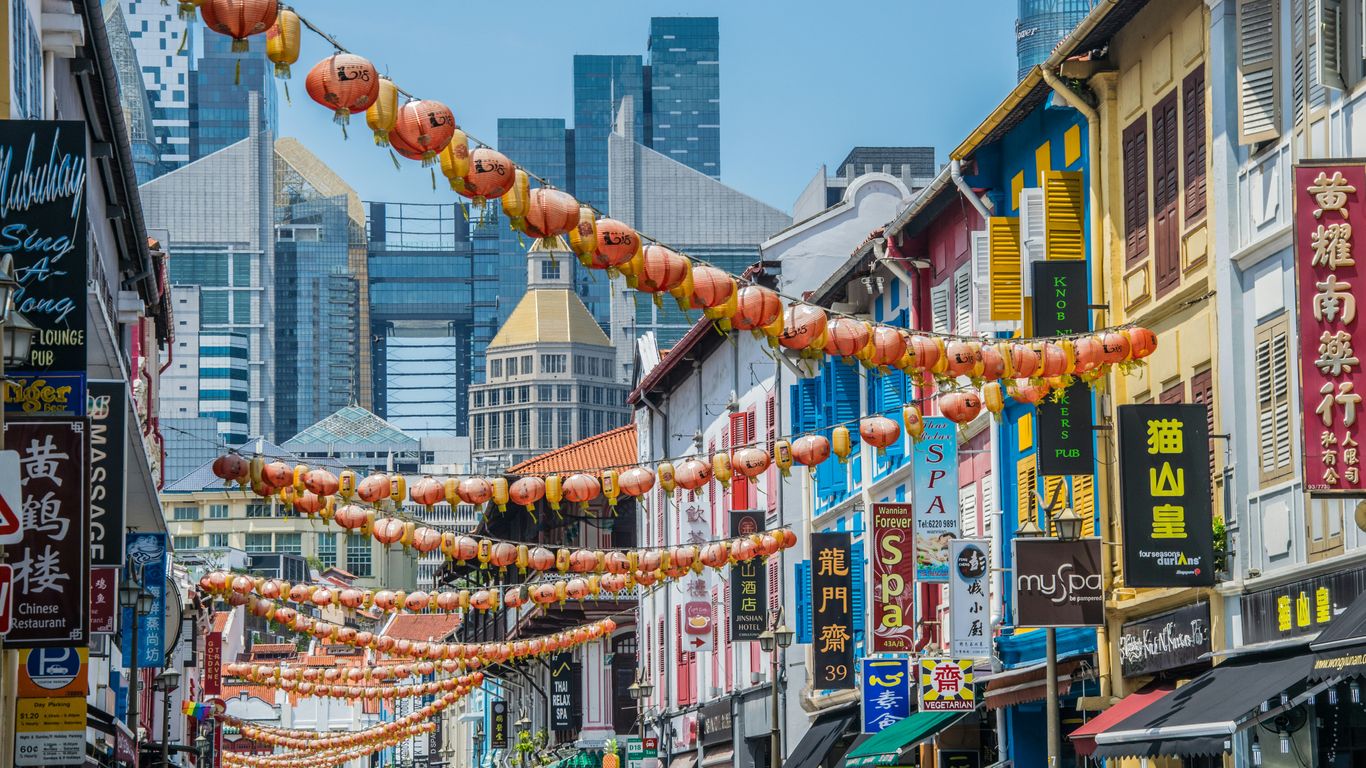
The typical shophouse compressed several parts of life into one deep, narrow plot. A shopfront might open towards the street, while rooms behind it served as storage, cooking areas and sleeping quarters. Upstairs, families, workers or lodgers could share space, making the building both an economic unit and a small social world. The building was never only a building; it was a system of relationships.
This arrangement also made work visible. Customers, neighbours and passers-by encountered the household through the front room, while less public activities continued behind it. The boundary between business and domestic life was therefore flexible, shaped by daylight, demand and the number of people depending on the premises.
What the five-foot ways reveal about movement and social life
The covered walkway outside many shophouses offered shade and shelter, but it was also a shared threshold. Goods could be carried along it, customers could pause there and neighbours could exchange news without formally entering a shop. Such spaces made a street feel inhabited even when individual rooms were crowded and private life was tightly contained.
The five-foot way also connected separate businesses and households. A person walking through Chinatown encountered smells, voices and gestures from several trades in quick succession. That everyday contact helped turn a row of buildings into a neighbourhood rather than a collection of unrelated premises.
Why architectural details matter when reconstructing the past
Tiles, shutters, vents, staircases and timber screens can all offer evidence, provided they are read with care. A high opening may suggest a need for airflow; a worn threshold may point to repeated traffic; a divided room may hint at changing uses over time. None of these details gives a complete answer alone, yet together they help historians test memories against the physical setting.
A useful way to approach the subject is through Singapore’s heritage stories, where neighbourhoods, old trades, foodways and architecture are treated as connected parts of everyday history. This approach resists the temptation to view decoration as mere ornament. It asks instead what a material choice allowed people to do, and who had access to the resulting space.
The journeys that brought early immigrants to Singapore
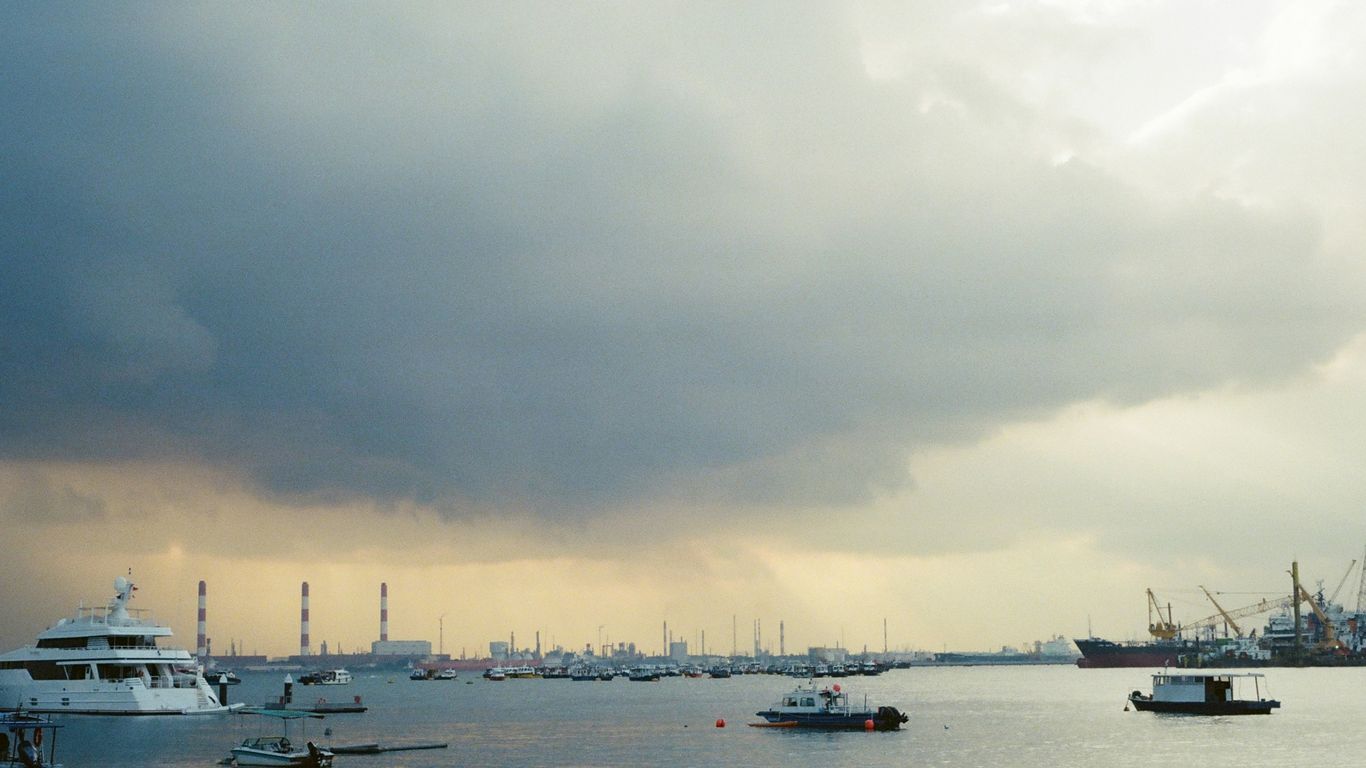
Chinatown’s early history began with journeys across the sea and with decisions made under pressure. Migrants came through family, dialect and trading networks, often entering a port where information and employment travelled along the same routes. Their settlement was not random: it reflected kinship, opportunity and the practical need to find a place to sleep soon after arrival.
Push factors, trade networks and the promise of work
Economic hardship, political uncertainty and limited opportunities could make departure seem necessary, while Singapore’s growing port offered the hope of wages or commercial opportunity. Some newcomers arrived with contacts; others depended on recommendations from people already established in the settlement. Passage, lodging and employment were therefore often linked by trust as much as by money.
The resulting story is not simply one of hardship or ambition. It is also a story of judgement: knowing which association to approach, which street offered likely work and which relative might share a room. The city’s promise was real for some, but it was uneven and always dependent on circumstances.
The different communities that shaped Chinatown’s early life
Chinese communities from different regions brought distinct languages, customs, occupations and networks, while other residents also contributed to the district’s changing character. Associations, temples and businesses could provide a sense of familiarity in an unfamiliar port. At the same time, daily proximity encouraged exchange, adaptation and occasional tension.
The wider history of Singapore is clearest when ordinary people are included alongside institutions and famous figures. Accounts of ordinary Singaporean lives help place Chinatown within a larger pattern of migration, labour, family responsibility and community-making. The district was distinctive, but it was never isolated from the island around it.
How arrival, lodging and employment were connected
For many newcomers, the first address was temporary and the first job uncertain. Shared lodging reduced costs and created access to information, while workplaces could double as places where newcomers met employers, relatives or intermediaries. A room in a shophouse might therefore be part of a chain connecting the wharf, a shop and a distant home village.
That chain also explains why movement between addresses was common. A person might change jobs, follow a sponsor or move into a household with better prospects. Early immigrant life was shaped by these transitions, not by a single settled arrival.
Work and survival behind the conserved façades
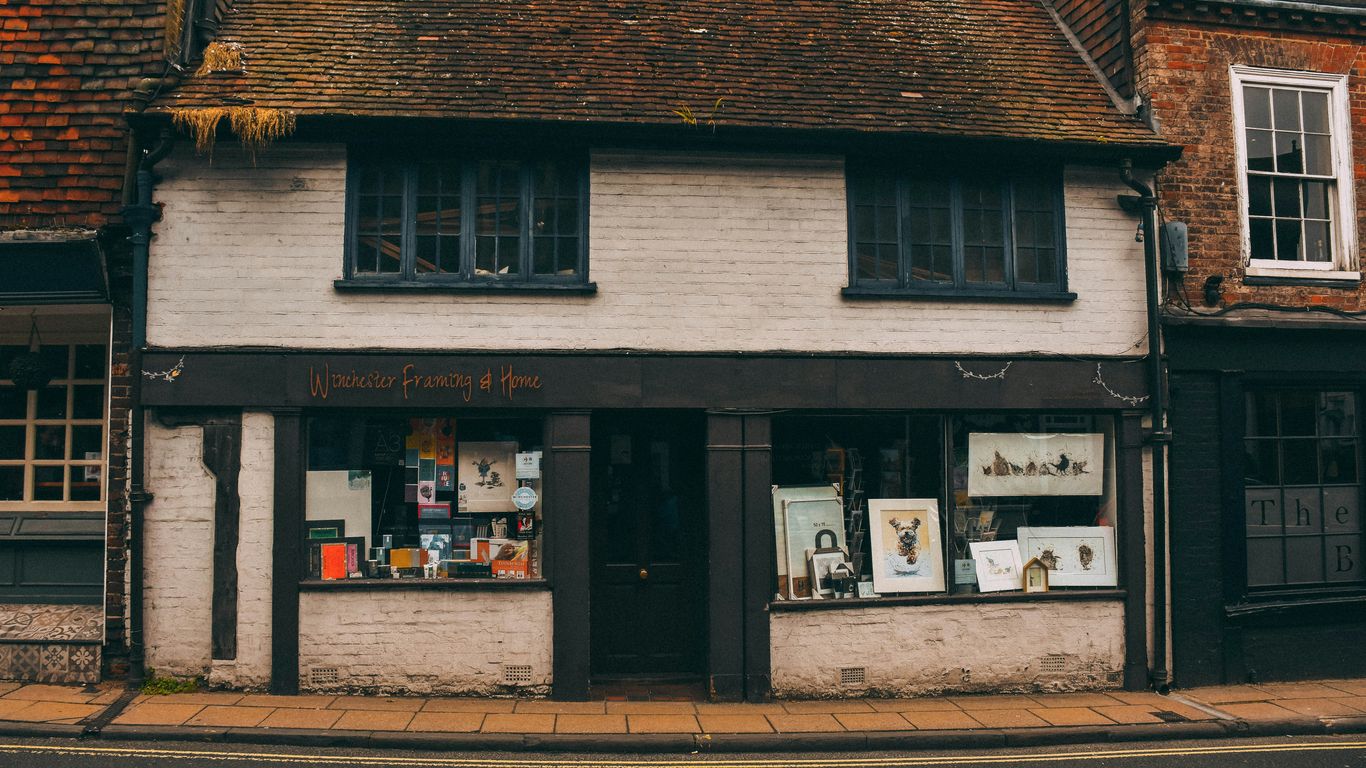
The shopfronts of Chinatown point towards a working history. Behind them were services that met ordinary needs: food, repairs, tailoring, medicines, religious items and the movement of goods. Survival depended on regular customers, careful use of space and the labour of people whose names may not have entered formal records.
Trades, shops and services that sustained neighbourhood life
A neighbourhood becomes legible through the things residents need repeatedly. Small businesses supplied meals, clothing, tools and ritual goods, while workshops relied on hand skills and knowledge passed from one worker to another. Their importance was measured less by grandeur than by continuity: customers returned because the service was useful and trusted.
The old trades archive offers a helpful lens for understanding this kind of work. It treats craft as embodied knowledge, continuity, community use and adaptation. That definition fits Chinatown’s working streets, where tools and techniques mattered, but so did memory of customers and the ability to adjust to changing demand.
The role of family labour, apprentices and informal work
A shop’s visible owner was rarely its only worker. Family members might cook, clean, keep accounts or serve customers, while apprentices learned by observing and repeating tasks. Informal help could be essential during busy periods, even when it left little documentary trace.
This labour complicates the idea of the independent shopkeeper. The business was often a household undertaking, supported by people whose contributions were treated as duty rather than recorded employment. Their work sustained both income and reputation.
How commerce shaped the rhythm of the streets
Trade gave Chinatown a daily tempo. Deliveries arrived, shutters lifted, meals were prepared and customers gathered according to patterns that changed with the hour. The street was quieter at some times and intensely crowded at others, but even quiet periods carried the expectation of work resuming.
The relationship between trade and place can be seen in other working neighbourhoods too. A guide to Singapore’s old trades shows how judgement, tools, customer relationships and adaptation keep a profession alive. Chinatown’s streets invite the same attention: not just to what a shop sells, but to how a working system occupies space.
Everyday life in crowded shophouse quarters
The most revealing history is often found in routine. Water had to be carried, meals prepared and sleeping arrangements negotiated, sometimes by many people within a few rooms. These conditions did not erase individuality, but they made cooperation and compromise unavoidable.
Shared rooms, household arrangements and limited privacy
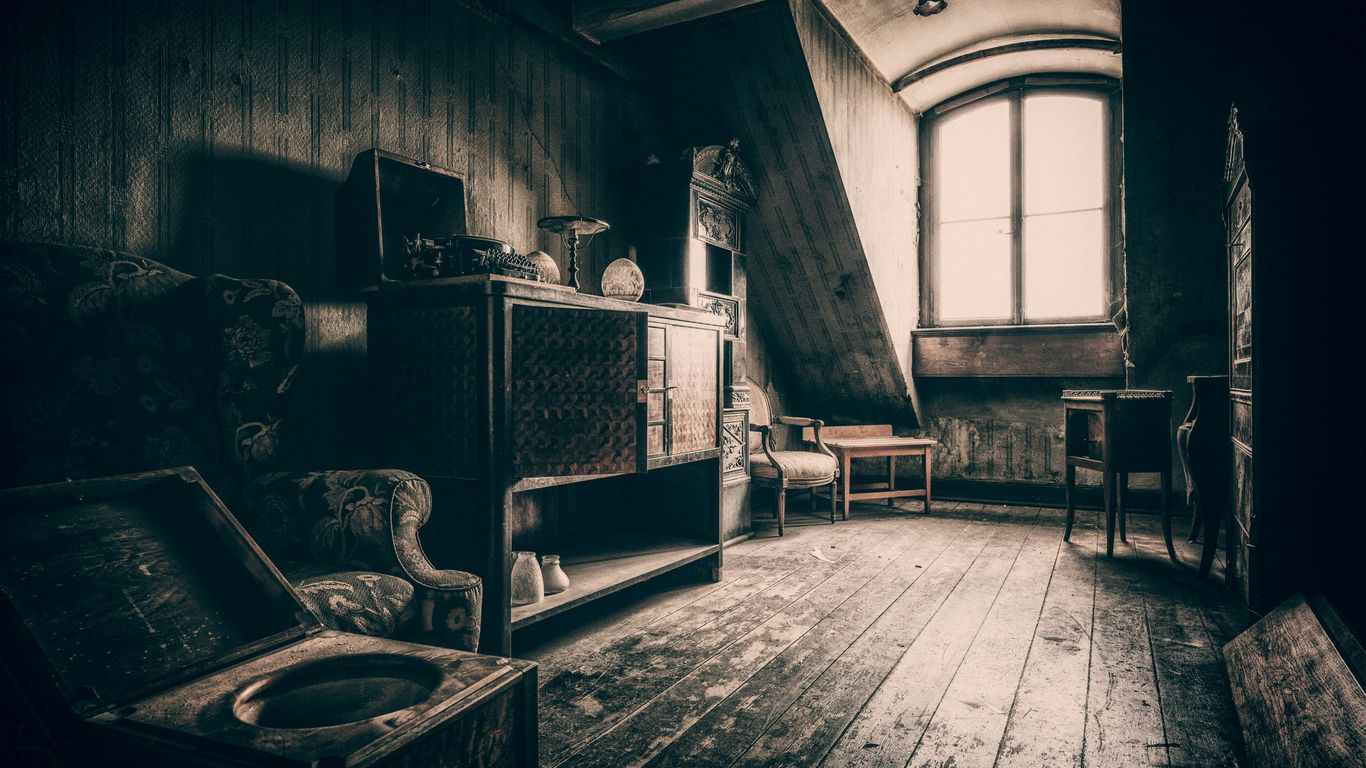
Crowded quarters required flexible ideas of personal space. Beds, mats and storage might be shared or used at different times, while curtains and partitions created modest boundaries rather than true privacy. A room could change function from sleeping area to workspace as the day progressed.
Such arrangements also reveal the importance of social knowledge. People had to understand who belonged where, when quiet was expected and how disputes could be managed. The history of a household therefore includes its rules, habits and silences as much as its furniture.
Food, water, sanitation and the practicalities of daily living
Daily life depended on systems that modern visitors may barely notice. Cooking required fuel and ventilation; water had to be obtained and carried; waste and washing demanded shared arrangements. Heat, smoke, noise and smells shaped the experience of every room.
The material culture of nearby food spaces provides a useful comparison. Objects in Singapore kopitiams, from enamel mugs to long-spouted kettles, show how ordinary things can preserve routines and relationships. In a shophouse household, similarly humble objects may reveal who cooked, who served and how resources were managed.
Temples, associations and mutual aid in the community
Religious and community institutions offered more than places for ceremony. They could provide introductions, practical assistance, moral support and a language of belonging for people far from home. Associations also helped organise festivals, care and information across changing households.
Their presence reminds visitors that survival was collective. A newcomer’s prospects depended not only on individual effort, but also on networks that connected people to work, worship and help. Chinatown’s social history is therefore inseparable from its institutions.
What the Chinatown Heritage Centre Singapore helps visitors understand
The Chinatown Heritage Centre Singapore gives visitors a focused way to consider these layered histories. Its recreated interiors and interpretive displays make domestic scale easier to imagine than a street façade alone can do. The experience is strongest when it prompts questions rather than pretending that one room can represent every life.
Using reconstructed interiors to interpret immigrant experience
A reconstructed room can make distance suddenly tangible. The closeness of beds, the narrowness of a stairway and the arrangement of working objects help visitors think about bodies moving through limited space. The Centre’s three restored shophouses and recreated 1950s interiors provide a setting for considering how later residents encountered an older built environment.
The value lies in connection. Visitors can move from a physical detail to a wider question about work, family and migration, then return to the street with sharper attention. The museum becomes a starting point for observation rather than a substitute for it.
Balancing personal stories with the wider history of Chinatown
Personal accounts give history emotional shape, but they need context. One person’s room, trade or journey can illuminate a wider pattern without standing for everyone who lived in Chinatown. Good interpretation keeps both scales in view: the intimate experience and the economic, social and political conditions around it.
The Centre’s story-led approach can help visitors hold these perspectives together. A family memory may explain why a particular object mattered, while the surrounding displays show how migration and urban change affected many households. Neither level is complete by itself.
What museum displays can reveal—and what they cannot
Displays can clarify layout, chronology and material conditions, but they cannot restore every lost voice. Reconstruction involves selection, and surviving records tend to favour certain households, businesses or institutions. Visitors should treat atmosphere as an aid to understanding, not as proof of one universal experience.
A useful companion is the Chinatown Heritage Centre guide, which frames the Centre as a place to explore the history, culture and resilience of Chinatown’s residents. Read alongside other sources and the neighbourhood itself, such material encourages a more careful distinction between documented evidence, interpretation and imaginative reconstruction.
The voices, objects and memories that bring the past closer
Buildings speak through materials, but people speak through recollection and records. A photograph, letter or household object may connect a broad historical process to one person’s gestures and choices. Yet every surviving source has a history of its own: who made it, who kept it and who was absent from it.
Letters, photographs and oral histories as historical evidence
Letters can reveal distance, expectation and obligation, while photographs show how people wished to be seen at a particular moment. Oral histories add texture through remembered sounds, routines and relationships. Each source is valuable, though memory can shift and photographs can conceal as much as they show.
Researchers compare these materials rather than treating any one of them as final. A date on a letter, a shop sign in a photograph and a remembered address may support one another, or expose a contradiction worth investigating. That process keeps the past open to thoughtful revision.
Shop signs, household objects and religious artefacts
Objects carry evidence of use. A worn sign may point to a long-standing trade; a cooking vessel may suggest a routine; a religious artefact may connect a household with a temple or association. Their meaning comes from context, provenance and the people who handled them.
This is why community documentation matters. A carefully recorded object can retain its maker, owner and local vocabulary instead of becoming an anonymous decoration. The same principle applies to the heritage stories of Singapore, which centre everyday narratives and the people who keep them alive.
Reading silences and gaps in the surviving record
The archive is uneven. Workers may appear only through an employer’s account, women’s labour may be folded into family history and tenants who moved frequently may leave few traces. Absence does not prove that an experience was rare; it may simply show that no one with power or resources recorded it.
A careful visitor can acknowledge uncertainty without losing curiosity. When a name, room or occupation remains unknown, that gap can become a reminder to seek community knowledge and to avoid turning assumption into fact. Historical humility is part of respectful storytelling.
Why Chinatown’s old shophouses still matter today
Chinatown’s shophouses matter because they remain places where the past and present meet. Conservation can protect façades and streetscapes, but the meaning of a neighbourhood also depends on businesses, residents, worshippers and visitors. The district changes continually, and that change is part of its history.
Conservation, adaptive reuse and the changing neighbourhood
Conservation preserves visible character, while adaptive reuse allows buildings to remain useful. A former residence may become a shop, café or museum, carrying traces of earlier functions into a new chapter. The challenge is to keep change legible rather than presenting heritage as a frozen scene.
Visitors can learn from contrasts across Singapore. The story of Alexandra Village, for example, shows how housing, repair work and food culture can coexist in a practical precinct. Different buildings require different readings, but both places show that living heritage depends on use as well as preservation.
The tension between heritage, tourism and everyday life
A historic district attracts visitors precisely because it is lived-in and distinctive. Yet heavy attention can make ordinary life harder for residents and workers, especially when streets are treated as scenery. Responsible engagement means noticing active businesses, observing religious spaces with care and allowing people to carry on with their day.
Tourism need not flatten a neighbourhood into a single story. A slower visit, informed by local voices and varied sources, can make room for complexity. It can also support the continued presence of the shops, practices and communities that give the area its meaning.
How to explore Chinatown with greater historical awareness
A walk becomes richer when observation comes before photographing. The following habits help visitors read the district with patience:
- Notice thresholds, upper floors and shared walkways, not only painted façades.
- Give active shops, homes and places of worship the same respect as exhibits.
- Ask whose labour made a building, business or tradition possible.
- Compare what is seen on the street with museum displays and community memories.
These simple practices turn a route into a conversation with place. Singapore Heritage’s heritage walking tours similarly connect architecture, food and community stories, showing how specific addresses can open into wider histories. For visitors wanting to plan a heritage walk, the best preparation is a willingness to look slowly and listen well.
Conclusion
Chinatown’s old shophouses still tell us how migration became neighbourhood life: through rooms shared, trades learned, meals prepared, faith practised and memories carried forward. Their façades matter, but the deeper history lies in the people and routines that once animated them—and in the communities that continue to give the district meaning.
Frequently Asked Questions
What is a shophouse?
A shophouse is a narrow, multi-use urban building traditionally combining a commercial space at the front with living or working areas behind and above it.
Why are five-foot ways significant?
Five-foot ways provided covered pedestrian space and acted as shared thresholds where customers, neighbours and workers moved, paused and interacted.
Why did immigrants settle in Chinatown?
Many newcomers were drawn by Singapore’s port economy, existing trade networks and the possibility of finding work, lodging and support through family or community connections.
What kinds of work took place in shophouses?
Shophouses accommodated many trades and services, including retail, food preparation, repairs, tailoring, storage and work connected with religious or household needs.
How did families manage crowded living conditions?
Households used rooms flexibly, shared sleeping areas and coordinated cooking, washing, storage and work around limited space and changing daily schedules.
Can a reconstructed interior show exactly how everyone lived?
No. It can clarify scale, layout and material conditions, but it represents selected evidence and cannot capture the full variety of experiences in a neighbourhood.
How can visitors explore Chinatown respectfully?
They can observe details beyond the main façades, respect active homes and businesses, behave thoughtfully in religious spaces and remain open to more than one community story.