Key Takeaways
Singapore’s heritage is found not only in grand monuments, but also in temples, cemeteries, shophouses, civic buildings and neighbourhood habits. These sites become richer when visitors listen for the people and everyday lives around them.
- Singapore’s historic places reflect migration, faith, trade and political change.
- Many heritage sites remain active places of worship, work and community life.
- Wartime buildings reveal decisions and experiences beyond familiar dates.
- Architecture can show how authority, justice and civic services developed.
- Respectful visits leave room for residents, rituals and memories that continue today.
1. Thian Hock Keng and the journeys of Singapore’s early Hokkien community
Thian Hock Keng stands on Telok Ayer Street, close to land that was once Singapore’s shoreline. Hokkien immigrants arriving by sea came here to give thanks to Mazu, the sea goddess, after a safe passage. The temple therefore began not simply as a religious building, but as a first point of arrival and reassurance.
Its carved dragons, tiled roofs and richly painted beams reward a slow look. Craftsmen assembled a visual language that connected southern Chinese traditions with the materials and conditions of the Straits. Stone, timber, porcelain and colour each carry traces of a community establishing itself in an unfamiliar port.
The temple also hints at the networks that helped newcomers settle. Religious associations offered fellowship, practical support and a place to negotiate belonging. Among Singapore heritage sites, Thian Hock Keng is especially moving because its story begins with a journey, then continues through the generations who made a home after arriving.
2. Sri Mariamman Temple and Chinatown’s living traditions
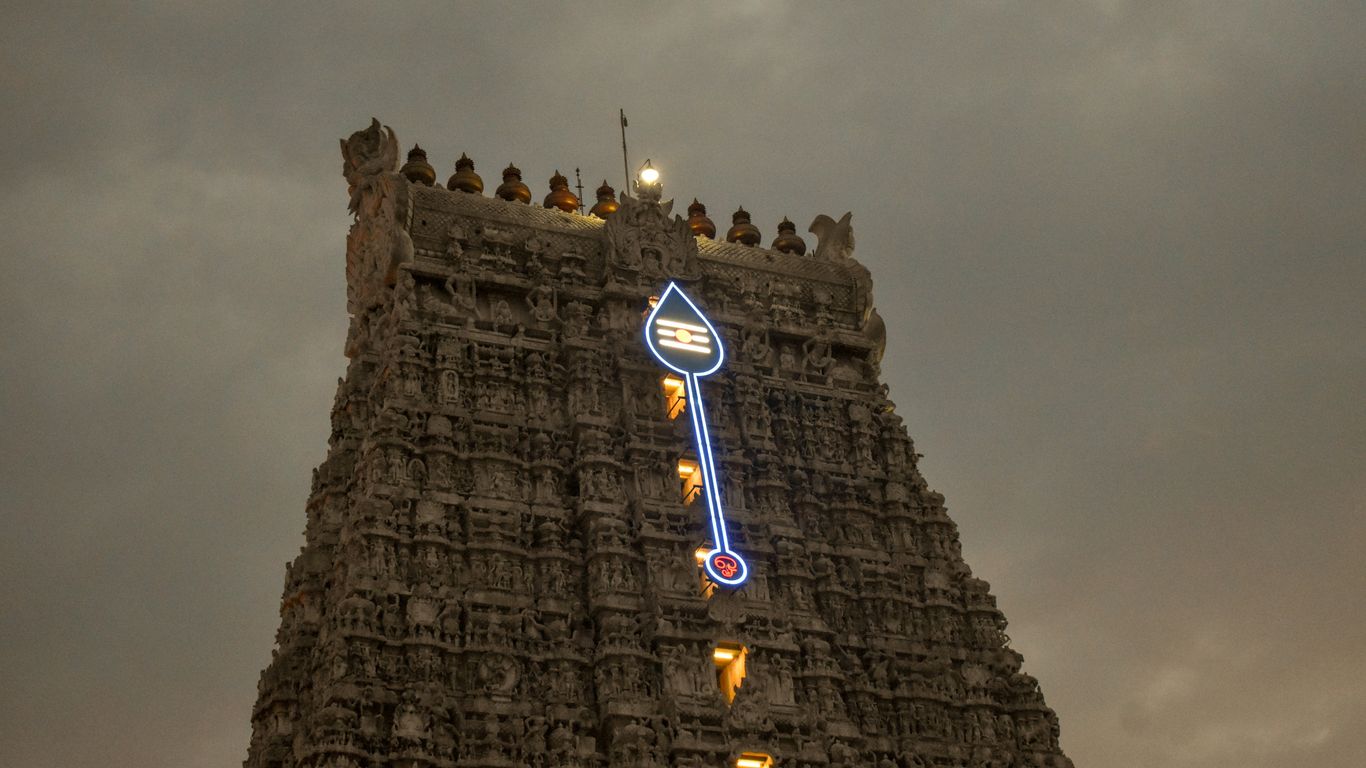
Sri Mariamman Temple rises above South Bridge Road with a gopuram crowded by painted deities. Founded in the nineteenth century, it served early Tamil migrants who needed a place for worship, community life and mutual support. Its presence shows that Chinatown was never culturally uniform; streets and markets brought several communities into close contact.
The temple remains an active place of worship, so its meaning is renewed through ritual rather than preserved behind glass. Visitors may notice bells, flowers, incense and the careful movement of devotees before they notice the architecture. That active rhythm is the point: a historic building can be old in fabric while remaining entirely present in daily life.
A considerate visit means dressing appropriately, observing quietly and following any instructions from temple staff. The surrounding lanes add further layers through food, trade and changing shopfronts. A useful culture and heritage guide can provide broad context, but the temple itself is best understood through the people who continue to use it.
3. Sultan Mosque and the changing heart of Kampong Glam
The golden domes of Sultan Mosque have become a familiar sight in Kampong Glam, but the building’s story reaches beyond its striking silhouette. The mosque is tied to the Malay sultanate, Muslim communities and the trading world that grew around Bussorah Street and Arab Street. Its setting reflects the movement of people, goods, languages and faith across the region.
The present mosque developed in the nineteenth century, when the area was an important centre for Malay and Muslim life. Its prayer hall and surrounding streets carried responsibilities that were social as well as spiritual. Shops, homes, schools and religious institutions formed a neighbourhood rather than a single attraction.
Kampong Glam has changed considerably, with boutiques, cafés and creative businesses now sharing space with long-established residents and institutions. That mixture can be read as continuity and pressure at once. The most rewarding visit looks beyond the mosque’s domes to the ordinary work of maintaining a religious quarter while its streets acquire new uses.
4. Former Ford Factory and Singapore’s wartime turning point
The Former Ford Factory in Upper Bukit Timah is associated with one of the clearest turning points in Singapore’s modern history. In February 1942, British forces signed the surrender to the Japanese there. The building’s pale industrial form can seem quiet today, which makes the weight of that decision feel even more pronounced.
Its museum traces the Japanese Occupation through documents, photographs and personal accounts. Military events sit alongside shortages, fear, forced labour and the difficult choices faced by civilians. The history becomes less abstract when it is connected to food, family separation, movement and survival.
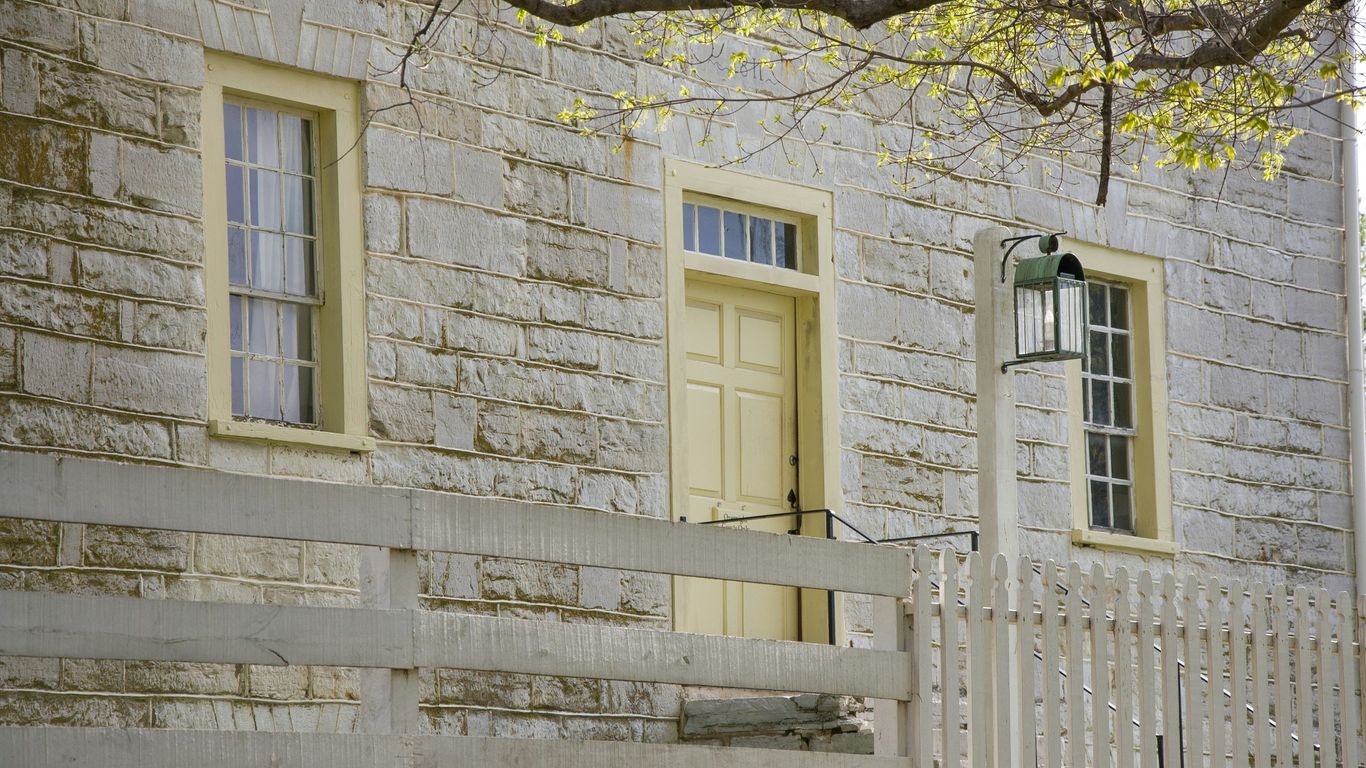
The site encourages visitors to consider how quickly confidence in a system can collapse. It also complicates triumphal versions of wartime history by placing ordinary lives alongside military strategy. The historical buildings guide is a helpful companion for seeing the Former Ford Factory as part of a wider architectural and political landscape.
5. Battlebox and the decisions behind the Fall of Singapore
Deep beneath Fort Canning Hill, Battlebox occupies a former underground command centre. Its rooms evoke the pressure of wartime administration: maps, telephones and orders had to connect distant decisions with events unfolding across the island. The confined setting makes the Fall of Singapore feel like a sequence of human judgements rather than a single inevitable moment.
The command centre is often remembered through the surrender discussions of February 1942. Yet the underground rooms also raise questions about communication, uncertainty and the limits of information. Leaders were deciding with incomplete knowledge while civilians and soldiers experienced the consequences in real time.
A visit works best when it leaves space for ambiguity. The site does not need theatrical embellishment to be affecting; its narrow corridors and functional rooms already suggest the strain of command. Together with the Former Ford Factory, Battlebox helps visitors place Singapore’s wartime turning point within both institutional decisions and lived experience.
6. Sun Yat Sen Nanyang Memorial Hall and revolutionary networks in Southeast Asia
The Sun Yat Sen Nanyang Memorial Hall occupies a villa in Balestier that once connected Singapore to political currents across Asia. Sun Yat Sen visited Singapore, and the house later became associated with supporters of the revolutionary movement. Its story shows how a port city could function as a meeting place for ideas as well as commerce.
The memorial’s collections explore fundraising, print culture, correspondence and the people who supported revolutionary activity from Nanyang. These networks were rarely simple or isolated. Merchants, intellectuals, students and community leaders moved between cities, carrying arguments about reform, identity and China’s future.
The building also opens a wider question about political history: whose labour sustains a movement? Famous names may dominate the narrative, but donations, translations, meetings and circulation of news depended on many less visible participants. Visitors interested in how stories are shaped may find recent marketing examples a surprisingly useful reminder that memorable public narratives also depend on voice, context and the people who carry them.
7. Istana Kampong Gelam and the legacy of Singapore’s Malay royalty
Istana Kampong Gelam was the palace of Sultan Hussein Shah and his family, and its grounds offer a way into Singapore’s Malay royal history. The building’s broad façade and surrounding compound differ from the denser shophouses nearby. Together they suggest the political and social importance Kampong Glam once held.
The palace story is also one of negotiation, inheritance and changing authority. Royal connections, colonial administration and the growth of a modern city shaped what happened to the estate. Its history resists a neat division between a vanished past and a fully modern present.

Inside and around the building, objects and displays connect royal history to the wider Malay world. The area’s food, textiles, language and religious institutions keep those connections visible beyond the museum walls. A visitor who pauses in the surrounding streets may notice that heritage here is carried through both formal interpretation and ordinary neighbourhood life.
8. Bukit Brown Cemetery and the people written into Singapore’s past
Bukit Brown Cemetery is a landscape of tombs, vegetation and winding paths rather than a conventional monument. As Singapore’s first municipal Chinese cemetery, it contains inscriptions that record names, places of origin, occupations and family relationships. Reading the site means paying attention to people who might otherwise appear only as a date in a history book.
The tombs also reveal the breadth of connections formed through migration and trade. Decorative tiles, stone guardians and epitaphs carry cultural meanings, while the scale of some graves reflects changing fortunes. The cemetery’s significance lies in this combination of intimate family memory and a wider account of Singapore’s development.
Research and interpretation can help visitors approach the place with care. Singapore Heritage treats heritage as something lived and connected to community memory, a perspective that suits Bukit Brown particularly well. The cemetery asks for patience, respect and a willingness to let a landscape speak at its own pace.
Several details can make a visit more attentive and less intrusive:
- Read inscriptions without stepping on tombs or grave mounds.
- Stay on established paths where possible, especially after rain.
- Avoid photographing mourners or private rituals without permission.
- Bring water and allow extra time for the uneven, shaded terrain.
These simple habits matter because Bukit Brown is not only an archive. It remains a place of family remembrance, and the dignity of those visits should shape how others explore it.
9. Central Fire Station and the making of a modern civic service
Central Fire Station on Hill Street is recognisable for its red-and-white exterior, but its importance extends beyond colour and symmetry. Opened in the early twentieth century, it represents the growth of a coordinated fire service in a rapidly urbanising town. The building embodied a public promise that emergencies could be met with training, equipment and organisation.
Its location also speaks to the changing city around it. Dense streets, warehouses and shophouses created serious fire risks, while new technologies altered how fires could be fought. A station was therefore both a practical workplace and a visible sign of civic administration.
The human story is found in the crews who worked shifts, maintained equipment and entered dangerous buildings. Their service depended on teamwork that rarely appears in grand accounts of urban progress. Central Fire Station reminds visitors that a city’s history is also built by people whose work becomes most visible when something goes wrong.
10. Old Hill Street Police Station and the evolution of public authority
The former Old Hill Street Police Station faces the Singapore River with a long façade of brightly coloured shutters. Once a police station and government building, it belonged to an expanding system of law, records and administration. Its scale suggests how public authority became more organised as Singapore grew.
The building’s many windows and repetitive bays create a strong visual rhythm, yet its history is not merely decorative. Police stations can represent protection, surveillance, order and unequal power, depending on who is looking at them. A thoughtful reading holds those meanings together rather than treating colonial civic architecture as neutral.
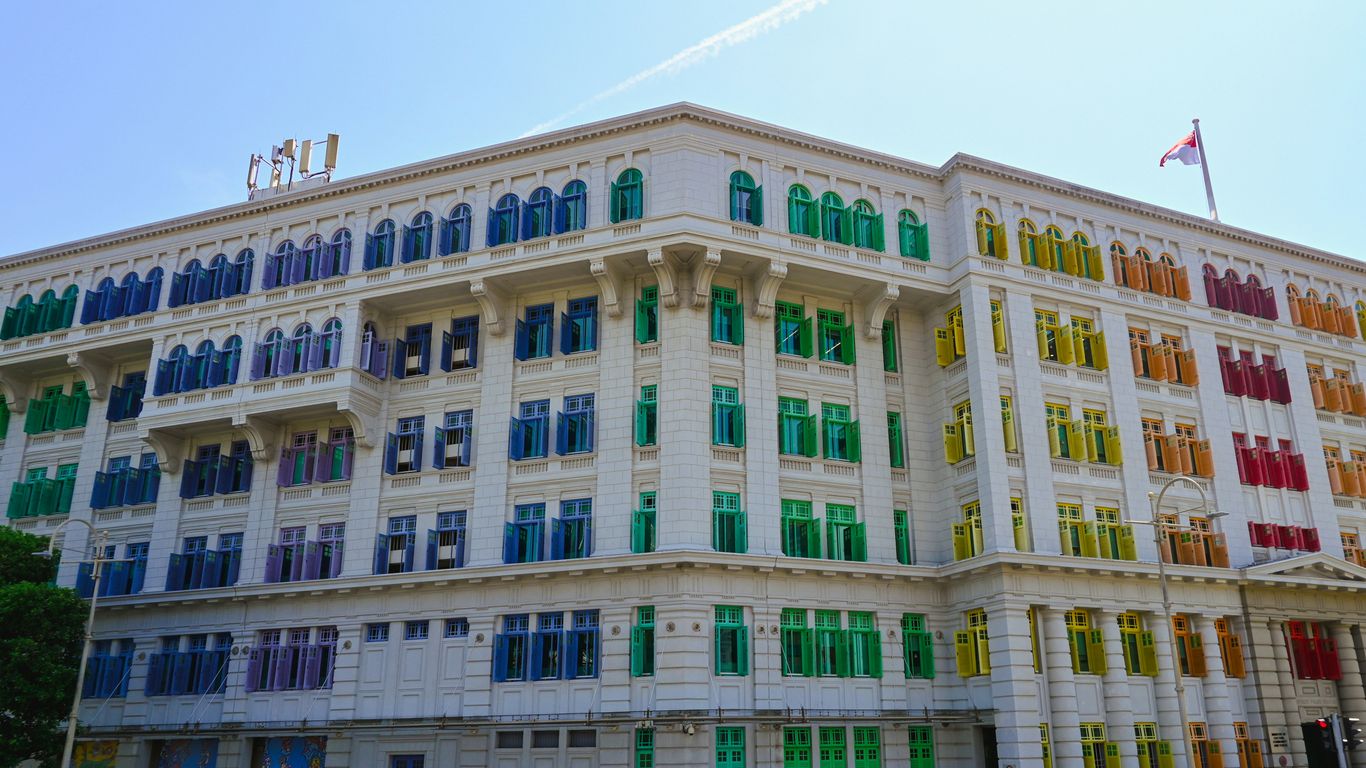
Its later uses show how old civic buildings can be adapted for new public purposes. The structure now belongs to a cultural landscape that includes museums, theatres and riverside spaces. A National Monuments overview places it within the larger story of buildings that have been retained because their histories still matter.
11. Victoria Theatre and Concert Hall and Singapore’s performing-arts heritage
Victoria Theatre and Concert Hall form one of the most familiar civic ensembles around Empress Place. Their architecture reflects the ambitions of a colonial port that wanted spaces for ceremony, music and public gathering. The clock tower joining the two buildings gives the pair a distinctive presence beside the Singapore River.
The venues have hosted performances, meetings and national occasions across different periods. Their meaning has therefore shifted with the audiences who entered them. A concert hall is never only its stage; it also includes the musicians, technicians, patrons and shared habits that make performance possible.
Restoration can preserve architectural character while allowing the buildings to remain useful. That balance matters for performing-arts heritage, which depends on continued occupation rather than silence. Hearing music in such a setting can make the connection between inherited space and present creativity unusually direct.
12. Former City Hall and the ceremonies that shaped the nation
Former City Hall stands at the Padang, where civic ceremonies have long given public form to political change. Its grand steps and colonnade were designed for official business, but the building’s significance grew through the events witnessed there. Crowds, proclamations and formal gatherings turned architecture into a stage for collective memory.
The building is linked to the surrender of Japanese forces in 1945 and later national milestones. Each ceremony added another layer to a place already associated with administration. The result is not one fixed story, but a sequence of changing authorities and public meanings.
Today, its identity is closely tied to the National Gallery Singapore, alongside the former Supreme Court. The building’s continued use shows how a site can move from colonial government to national cultural institution without shedding its earlier associations. Visitors may find that the most powerful details are the thresholds where private decisions became public ceremony.
13. Former Supreme Court and the architecture of justice
The Former Supreme Court was built to project permanence, order and legal authority. Its grand entrance, columns and dome make justice appear monumental, while the interior reveals the more practical work of chambers, offices and courtrooms. Architecture here was part of the message: the law was intended to be seen as stable and commanding.
Yet courts are also places where individual lives meet large institutions. Cases, testimonies and judgements gave the building a human density that formal façades cannot show. Its history includes the legal consequences of colonial rule, wartime occupation and the development of Singapore’s own institutions.
As part of the National Gallery, the former court now hosts art rather than trials. That change invites visitors to compare different kinds of public authority and interpretation. The building remains persuasive because its old symbols have not disappeared; they have been placed in conversation with new ways of seeing.
14. Haw Par Villa and the unexpected cultural history of Tiger Balm
Haw Par Villa began as a private garden created by the Aw brothers, associated with the Tiger Balm business. Its sculptural scenes drew on Chinese legends, moral tales and religious imagery. Unlike a restrained civic monument, the park used colour, drama and sometimes startling figures to make stories memorable.
The famous depictions of the Ten Courts of Hell are often what visitors remember first. Their vivid punishments were intended to communicate moral consequences, but the park also reflects the cultural ambitions of a prominent Singaporean family. It turned a commercial success into a public landscape of education, belief and spectacle.
Haw Par Villa is valuable precisely because it sits outside tidy categories. It links business history, popular culture, diaspora identity and visual storytelling. The park shows how heritage can survive in unusual forms, including places that were designed to surprise, instruct and entertain at the same time.
15. Joo Chiat and Katong’s shophouses, foodways and Peranakan identity
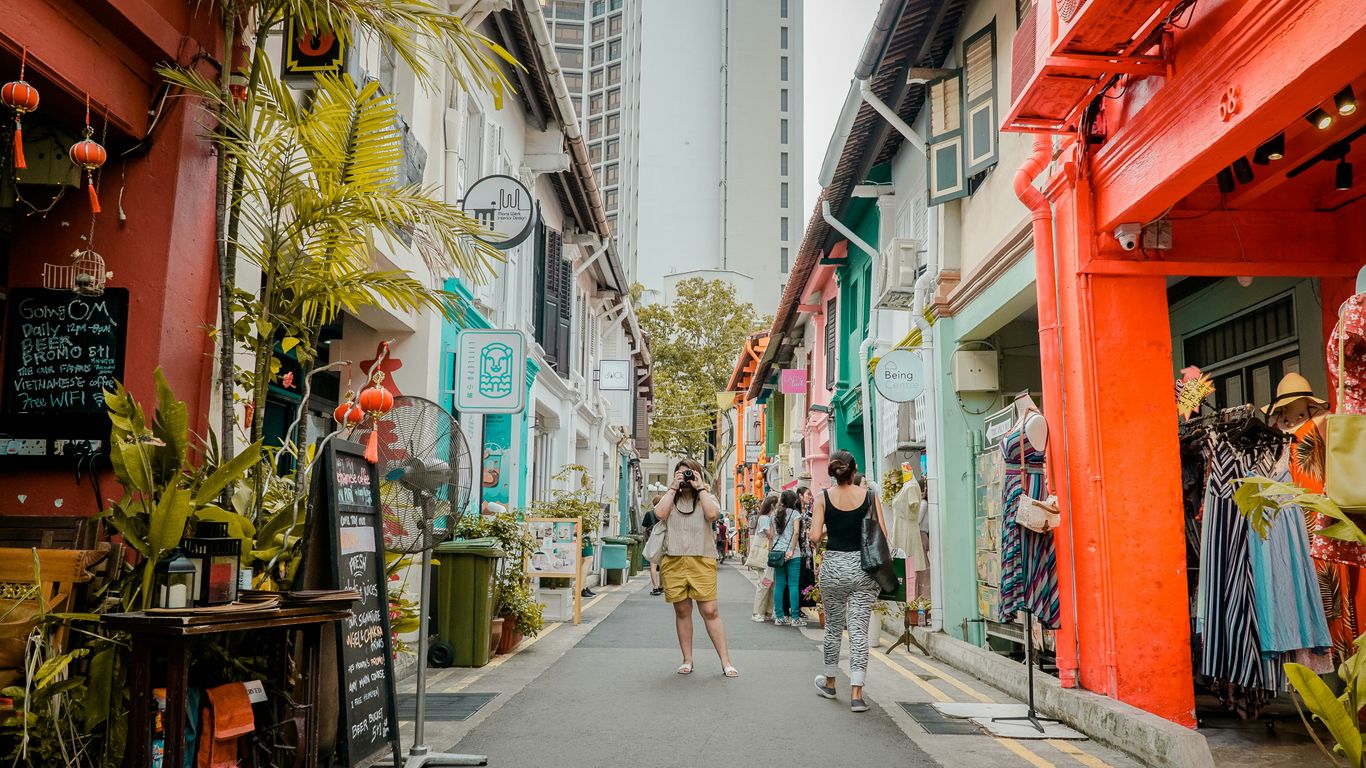
Joo Chiat and Katong are best understood as neighbourhoods rather than a row of photogenic façades. Their shophouses carry traces of Peranakan taste, colonial planning, regional trade and later waves of migration. Five-foot ways, patterned tiles and timber shutters make the streets visually distinctive, but the deeper story lies in how homes, shops, kitchens and places of worship have shared the same urban fabric.
Food offers one of the clearest routes into that history. Bakeries, coffee shops and family-run restaurants preserve techniques while adapting to new customers and circumstances. A bowl, tile or handwritten recipe can be as revealing as an ornate building when it is connected to the people who used it.
For a fuller neighbourhood reading, Joo Chiat–Katong heritage follows the relationship between architecture, foodways and community histories. Visitors should leave room for residents and working businesses, rather than treating the district as an open-air set. The most meaningful walk notices small details, asks permission where appropriate and understands that living heritage cannot be separated from everyday use.
A slow route through the district might include:
- A close look at shophouse tiles, vents and five-foot ways.
- A meal or snack connected to the area’s food traditions.
- Time to notice religious buildings and the communities around them.
- A conversation with a shopkeeper only when the moment is welcome.
Those pauses turn an architectural outing into a study of place. They also explain why Singapore heritage sites are most memorable when visitors notice the relationships around them, not only the buildings themselves.
Plan a Heritage Walk
Singapore Heritage offers small-group, story-led walks through neighbourhoods and historic places, guided by people familiar with the streets and the names behind the shopfronts. Readers can book a heritage tour to explore Singapore with more context, conversation and care.
Conclusion
Singapore’s historic places are not frozen scenes from an earlier city. They are temples still used, streets still worked, buildings given new purposes and landscapes held close by families and communities. Seen in that way, the island’s heritage becomes less a list of landmarks than an ongoing conversation between memory and daily life.
Frequently Asked Questions
How many heritage sites are covered in this article?
The article covers fifteen sites and precincts, ranging from temples and civic buildings to cemeteries, museums and living neighbourhoods.
Which Singapore heritage sites are connected to wartime history?
The Former Ford Factory and Battlebox are the clearest wartime sites discussed here. Former City Hall and the Former Supreme Court also carry histories shaped by wartime occupation and its aftermath.
Can visitors enter all of these heritage sites?
Access varies. Some are museums or public venues, while others are active religious places, working businesses or open landscapes with specific visiting arrangements.
What should visitors remember at active temples and mosques?
Visitors should dress respectfully, observe posted guidance, avoid interrupting worship and ask before taking photographs. Quiet attention is usually more appropriate than trying to document every detail.
Why is Bukit Brown Cemetery considered a heritage site?
Its inscriptions, monuments and landscape preserve family histories, migration stories and evidence of Singapore’s changing communities. It is also a place of remembrance, so visits should be respectful and unobtrusive.
What makes Joo Chiat and Katong culturally significant?
The district brings together conserved shophouses, Peranakan influences, food traditions and diverse community histories. Its heritage remains visible through businesses, homes, religious sites and everyday street life.
How can someone explore these places responsibly?
A responsible visitor researches opening arrangements, follows local rules, supports working businesses, seeks consent before photographing people and gives residents space. Listening carefully often reveals more than rushing between landmarks.