Key Takeaways
Singapore’s aviation story was built through a series of airfields, each shaped by the needs of its time.
- RAF Seletar introduced organised aviation to the island in the 1920s.
- Kallang Airport made civilian flying visible and connected Singapore to regional cities.
- War, recovery and the return of passenger confidence restored aviation’s importance after 1945.
- Paya Lebar handled the arrival of the jet age but became constrained by the growing city.
- Changi was planned as a spacious, expandable gateway rooted in lessons from earlier airports.
Singapore’s first airfields and the arrival of aviation
Long before Changi became Singapore’s familiar international gateway, aviation arrived as a military and colonial undertaking. Early airfields stood at the edge of a port city whose identity was still tied more closely to ships, godowns and the Singapore River. Aircraft introduced a different sense of distance, making the peninsula and its neighbours seem newly close. The history of Singapore offers a wider view of the political changes and everyday routines that formed the setting for this early transformation.
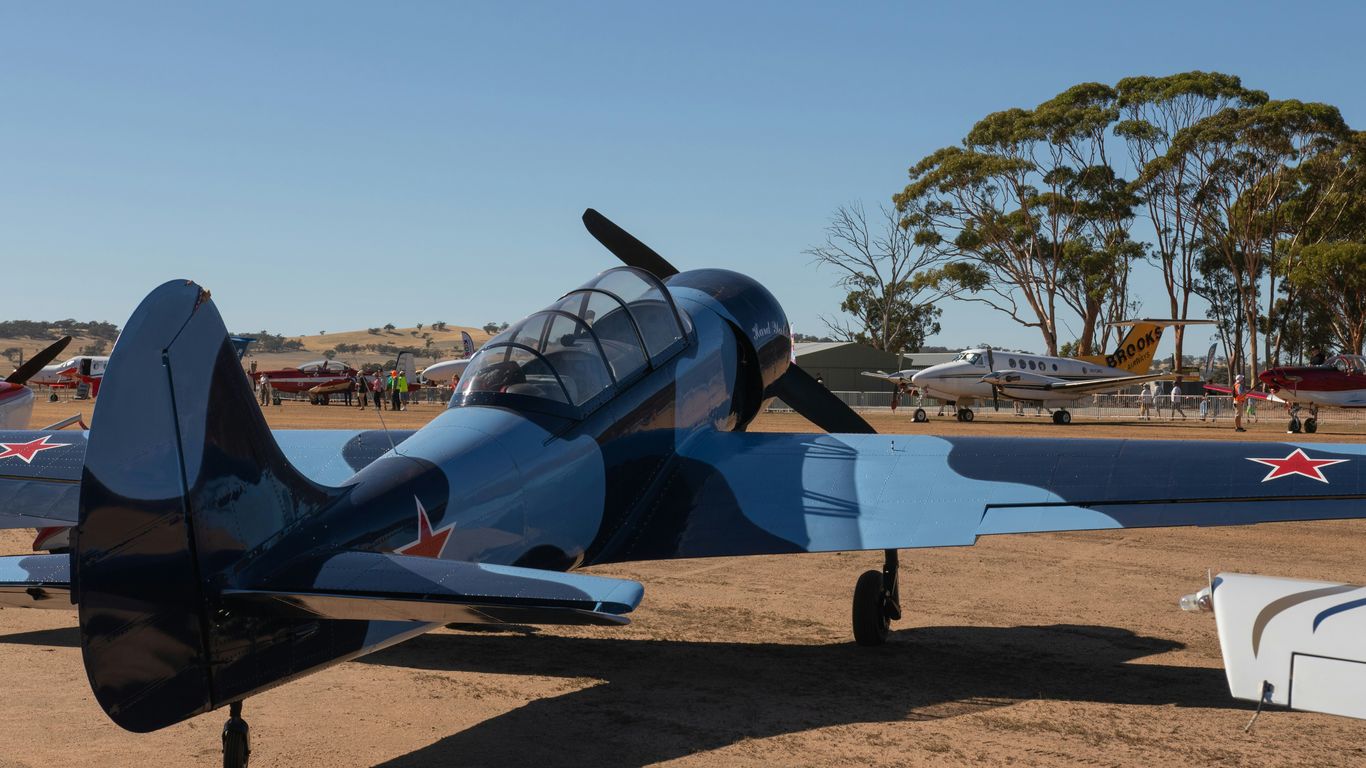
The opening of RAF Seletar in the 1920s
RAF Seletar opened in the 1920s as an airfield for military aviation. Its location, away from the crowded centre, gave aircraft the open ground they required and established a pattern that would return repeatedly in Singapore’s airport planning: aviation needed room, even when the city itself was short of it. Seletar was not yet the passenger gateway familiar to later generations, but it placed Singapore firmly on the map of regional air operations.
Early military aircraft and colonial air routes
The aircraft seen over Singapore in these years were largely connected to defence, administration and imperial communications. Their arrival depended on weather, fuel, maintenance and the limited reliability of early machines. Air routes were still novel and carefully planned, yet they began to supplement the older maritime networks that had made Singapore a trading centre. The airport was becoming part of a wider system rather than simply a landing ground.
The first civilian flights and passenger services
Civilian flying developed gradually, with passenger services following the confidence built by military and mail operations. Travellers encountered an experience that was quicker than a sea journey but also more exposed to delay and mechanical uncertainty. Tickets, timetables and airport buildings began to make air travel legible to ordinary customers, even if it remained expensive and uncommon. The first services were modest in scale, but they changed what Singapore could imagine as a normal connection.
How aviation changed Singapore’s place in the region
Aviation gave Singapore another way to organise its regional relationships. Penang, Kuala Lumpur, Bangkok and other centres could be reached through an expanding network that did not depend entirely on coastal shipping. That shift mattered commercially and symbolically: Singapore was no longer only a place where routes met by sea. It was becoming a place from which people, messages and business could move rapidly across the region.
Kallang Airport and the birth of commercial air travel
Kallang represented the moment when aviation became part of Singapore’s civic landscape. It was designed for civil flying rather than adapted chiefly from military use, and its arrival gave passengers a formal point of entry into the city. The airport’s architecture, roads and passenger facilities all suggested a confident modern future. At Kallang, flying was no longer something observed from a distance; it became a public service with a visible home.
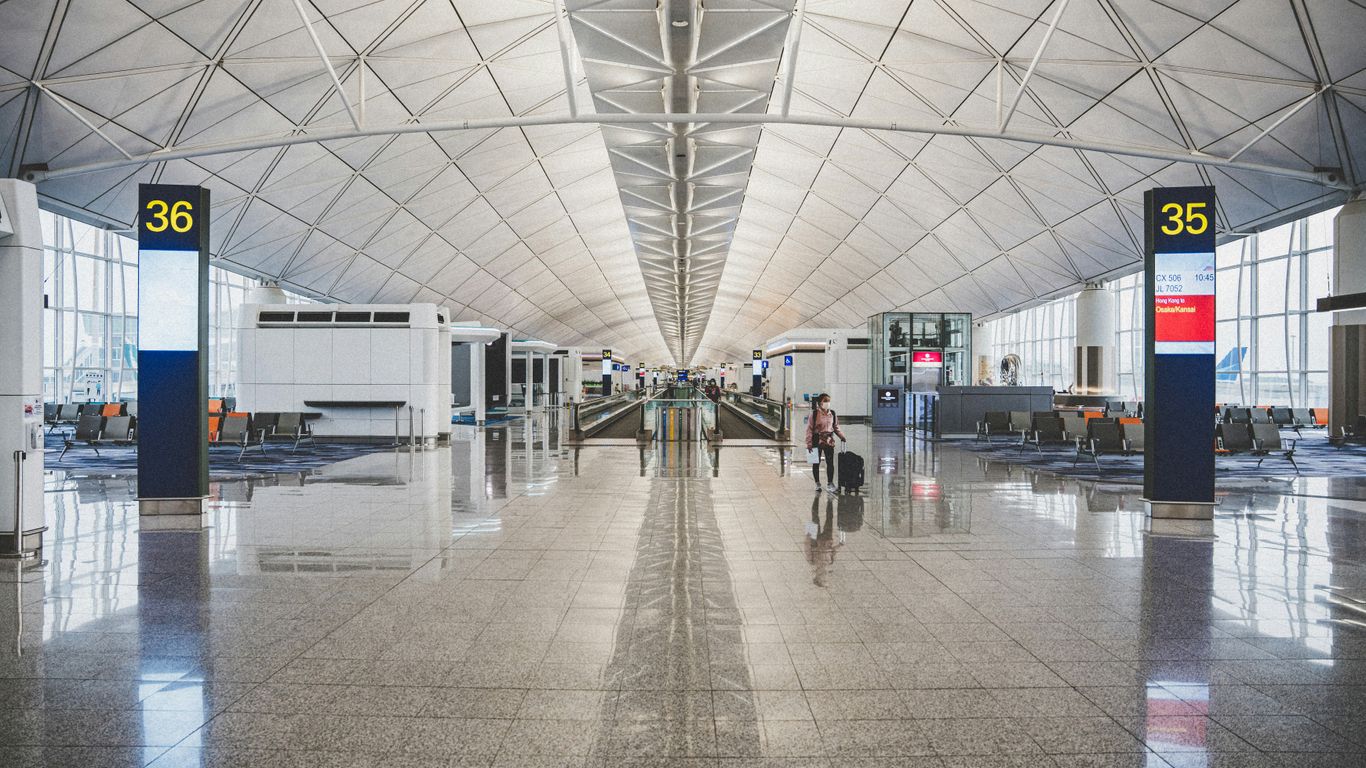
Why Kallang was chosen for Singapore’s first civil airport
Kallang’s broad coastal setting made it suitable for a civil airport serving the growing port. It was closer to the urban centre than Seletar, which helped passengers and commercial operators, while still providing open ground for runways and approaches. The choice reflected a practical compromise between convenience and space. That balance would become increasingly difficult as Singapore’s population and built-up areas expanded.
The airport’s opening in 1937
Kallang Airport opened in 1937, with a terminal intended to present Singapore as an organised and forward-looking place. Its opening marked a clear transition from experimental and military flying to regular civil aviation. Passengers could now associate air travel with a recognisable building, staff and timetable. The airport also gave visiting crews and travellers a carefully composed first impression of the island.
Malayan Airways and the growth of regional connections
Malayan Airways helped turn Kallang into a working regional network. Services linked Singapore with other towns and cities in Malaya and beyond, carrying business travellers, officials, mail and tourists. The network grew in step with confidence in air travel, although each route still depended on aircraft range, weather and available infrastructure. Kallang’s importance came not from being enormous, but from being connected.
The expanding timetable can be understood through the kinds of movement the airport supported:
- business and government travel across Malaya;
- mail and administrative communication;
- visiting performers, traders and tourists;
- onward connections through Singapore’s port and commercial district.
These were not separate worlds. They overlapped in the terminal and helped make regional travel part of the island’s public life. Kallang was becoming an everyday institution for a steadily widening group of people.
The art deco terminal as a symbol of modern Singapore
The art deco terminal gave the airport a distinctive visual language of clean lines, geometric forms and controlled movement. It expressed speed without abandoning ceremony, making arrival feel both efficient and significant. For residents, the building became a place to watch aircraft, greet returning relatives and imagine distant destinations. Its design remains a reminder that infrastructure can carry emotional meaning as well as passengers.
Aviation through war and post-war recovery
The Second World War disrupted the confidence and routines that civil aviation had built. Kallang’s role changed during the Japanese occupation, and the airport became part of a wartime landscape rather than a symbol of peaceful mobility. After 1945, services had to be rebuilt alongside roads, businesses and public institutions. The return of aircraft therefore represented more than restored timetables; it suggested that ordinary life was beginning to move again.
Kallang Airport during the Japanese occupation
During the Japanese occupation, Kallang Airport was absorbed into the wartime aviation system. Civilian travel was curtailed, and the meaning of the airport shifted from commercial welcome to military control. The surrounding city experienced shortages, fear and altered routines, while the airfield remained tied to the strategic demands of the occupation. Its earlier role in connecting people was temporarily overtaken by the violence of war.
Rebuilding air services after 1945
After the war, the restoration of air services required aircraft, trained staff, reliable fuel supplies and repaired facilities. None of these could be taken for granted. Airlines had to rebuild routes while passengers decided whether flying was safe and dependable again. The process was gradual, and the airport’s revival moved alongside the wider work of restoring homes, workplaces and confidence.
The return of international routes and passenger confidence
International routes returned as governments and airlines re-established links across Asia and beyond. Each arriving aircraft helped make the post-war world feel less fractured, even as travel remained far from effortless. Passenger confidence grew through repetition: a route operated, a journey was completed and the next traveller felt more willing to try. Airports recovered not simply through construction, but through habits returning.
Singapore’s emergence as a regional transport hub
Singapore’s position at the meeting point of sea lanes and regional air routes gave it a strong foundation for renewed growth. Passengers could combine air journeys with the island’s established commercial, shipping and communications networks. This helped the city become a transport hub in a fuller sense, with aviation adding speed to an older maritime role. The airport’s story was increasingly bound to Singapore’s economic and political future.

The limits of Kallang in the jet age
The arrival of larger and faster aircraft exposed problems that had been less urgent when passenger numbers were smaller. Runways, terminals, roads and surrounding neighbourhoods all had to cope with growth at once. Kallang’s urban location brought it close to the people it served, but that same closeness left less room for expansion. Singapore had to decide whether an existing airport could be stretched further or whether a new beginning was needed.
Why larger aircraft exposed the airport’s constraints
Jet aircraft demanded more runway length, more carefully managed approaches and more space for passengers and baggage. Their speed and capacity changed the scale of airport operations. A terminal designed for earlier aircraft could become crowded quickly, while ground movements became more complex. Kallang’s limits were therefore not a matter of age alone; they reflected a new technological threshold.
Noise, congestion and the pressure of urban expansion
Noise affected neighbourhoods that had grown closer to the airport, while roads and terminal areas faced increasing congestion. Singapore’s urban expansion made it harder to reserve open land around Kallang for aviation alone. The airport was now competing with housing, industry and transport infrastructure for the same finite space. Space became a strategic question, not merely an engineering detail.
The move from Kallang to Paya Lebar Airport
The answer was a move to Paya Lebar Airport, which opened in 1955 as Singapore’s next major civil airport. Paya Lebar offered a new runway and passenger terminal better suited to the rising scale of post-war travel. Kallang did not disappear from memory when operations moved; it remained part of the city’s built and social history. The transfer showed that an airport’s usefulness can outlast its role as the main gateway.
How changing aircraft technology reshaped airport planning
Aircraft technology altered airport planning from the runway outward. Designers had to consider pavement strength, aircraft turning areas, passenger processing and the safety of approaches across a changing city. A useful airport could no longer be judged only by its location or terminal appearance. It had to accommodate future aircraft, future passengers and future patterns of movement, even when those futures were difficult to predict.
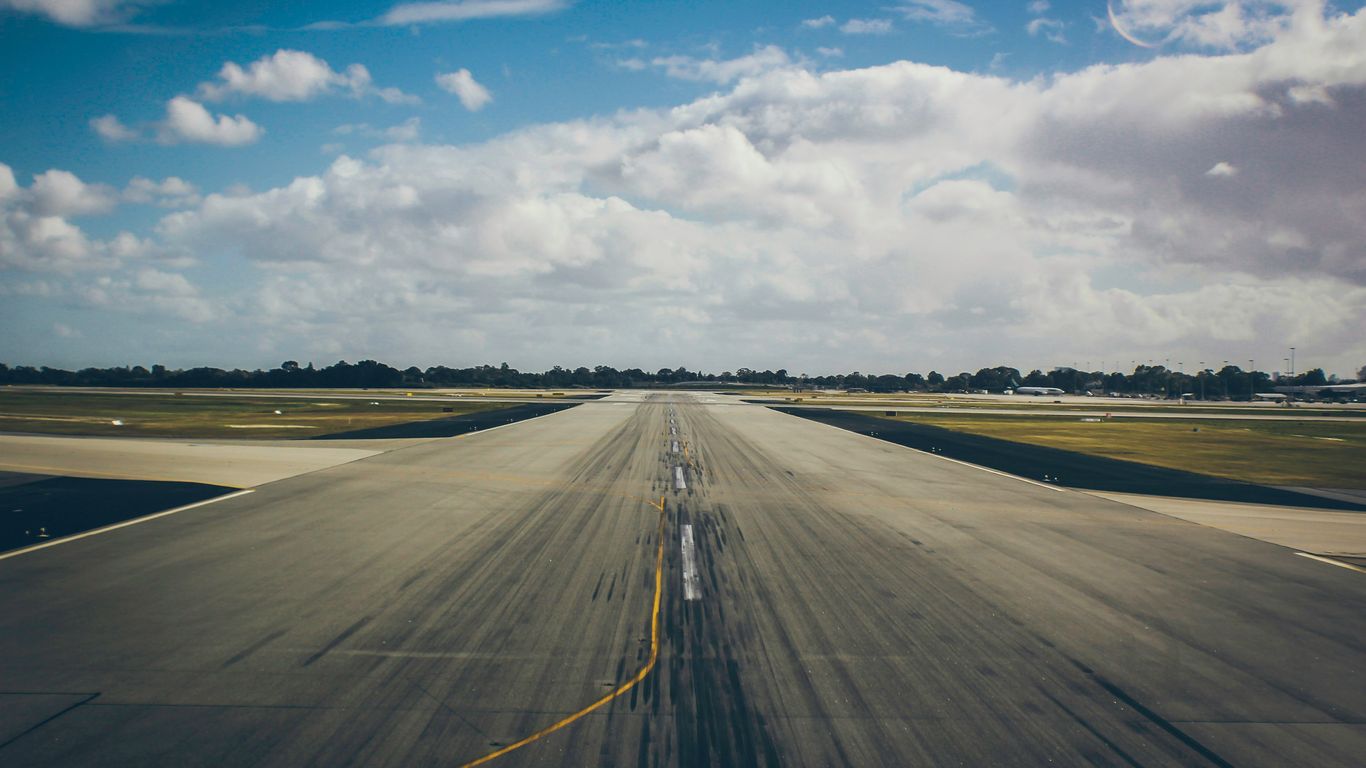
Paya Lebar and Singapore’s push for global connectivity
Paya Lebar opened during a period when Singapore was moving towards self-government and, later, independence. Its airport carried the ambitions of a city seeking stronger commercial and diplomatic connections. Passenger traffic grew as international aviation became more accessible, and the jet age made long-distance routes increasingly practical. Yet Paya Lebar also revealed how quickly success could create a fresh capacity problem.
The airport’s opening in 1955
Paya Lebar Airport opened in 1955 with a single runway and a small passenger terminal. It was more suitable for the next stage of civil aviation than Kallang, and it soon became the principal gateway for international travel. The airport’s early years were marked by expansion in routes, airlines and passenger numbers. A place once built for anticipated growth was soon being tested by actual demand.
Civil aviation after self-government and independence
Civil aviation took on national significance after self-government in 1959 and independence in 1965. Air links supported trade, diplomacy, tourism and the movement of Singaporeans working or studying abroad. The airport became one expression of a young state’s outward orientation. Its operations had to serve both practical needs and a wider determination to remain connected to the world.
The broader story of that period includes several overlapping changes:
- more frequent regional and international services;
- rising passenger numbers as jet travel spread;
- stronger links between aviation, trade and tourism;
- increasing pressure on land around the airport.
Together, these changes made Paya Lebar successful while also making its long-term position uncertain. Growth was no longer a distant possibility; it was shaping the city in real time.
Singapore Airlines and the development of a national aviation identity
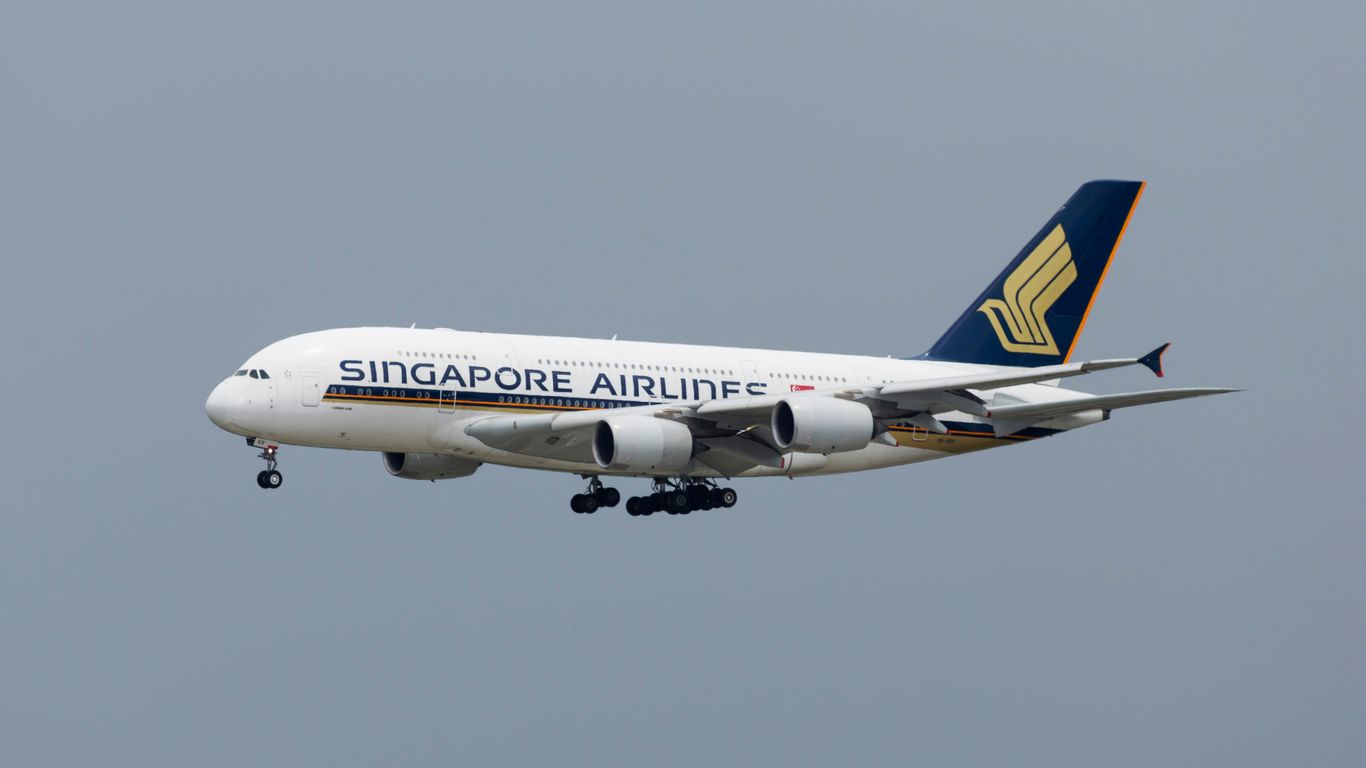
The development of Singapore Airlines gave the country a visible national presence in international aviation. Its identity grew alongside Singapore’s broader reputation for reliable connections and outward-facing commerce. Airline branding, cabin service and route planning helped translate a national ambition into an experience passengers could recognise. The airport and the airline therefore developed as related parts of the same international story.
At the same time, the island’s wider systems were becoming more sophisticated. One can see that interest in practical systems in very different subjects, from automatic gates and GIVA to deliberate skill practice, aircraft records on blockchain and home-style meals. These topics are unrelated in substance, but each shows how everyday trust depends on systems that work clearly behind the scenes.
The case for a new airport beyond the city
By the 1970s, passenger growth and urban development had made Paya Lebar’s future difficult. Expansion risked placing more pressure on housing estates and surrounding communities, while the airport’s location left limited room for a genuinely long-term plan. The case for a new airport was not simply about adding buildings. It was about finding enough land to let aviation grow without closing off the city’s own future.
Building Changi Airport and redefining Singapore’s future
Changi emerged from that search for room, but it also reflected lessons gathered across several decades of aviation. Singapore had already learned what military airfields could provide, what a civic terminal could symbolise and how quickly a successful airport could become constrained. The new airport was planned at the eastern edge of the island, where expansion and land reclamation were more achievable. Its opening in 1981 marked not the beginning of Singapore’s aviation story, but the result of everything that came before.
Choosing the former Changi military site
The former Changi military site offered space away from the most densely developed parts of the island. Its eastern location allowed planners to think beyond immediate passenger demand and consider future runways, terminals and supporting infrastructure. The choice also connected the new civilian gateway to a place that already carried a military history. Changi’s meaning was layered from the start.
Planning a purpose-built international gateway
Planning focused on an airport that could handle international passengers while retaining room for growth. Runways, terminals, access roads and supporting systems were considered as one connected project rather than as isolated additions. That approach mattered because earlier airports had shown the cost of solving problems one extension at a time. Changi was intended to be expandable, legible and capable of serving Singapore’s ambitions beyond the first day of opening.
Changi Airport’s opening in 1981
Changi Airport opened in 1981, giving Singapore a new international gateway at a time when air travel was becoming central to global commerce and tourism. Its location and scale distinguished it from the more compressed airports that had preceded it. The move shifted the daily experience of arrival and departure eastwards, while the new facilities supported a more deliberate passenger journey. The airport’s opening was consequently both an infrastructure event and a statement about the country’s direction.
What Singapore’s earlier airfields made possible for Changi
Seletar, Kallang and Paya Lebar each taught Singapore a different lesson. Seletar established the practical requirements of aviation; Kallang made flying civic and visible; Paya Lebar demonstrated the pressures created by jet travel and international growth. Changi brought those lessons together in a site planned for longer horizons. For readers tracing the story of Changi’s development, the essential point is continuity: the modern gateway grew from earlier experiments, compromises and decisions.
Aviation history is also part of lived local history. Residents remember aircraft overhead, relatives arriving, airport jobs and the changing edges of neighbourhoods. Singapore Heritage’s heritage walks approach such stories through streets, communities and memory, while Changi’s local stories can give the eastern end of the island a more grounded sense of place. The airport is best understood not as an isolated machine, but as one chapter in the life of a changing city.
Take the Story Further
Readers who want to encounter Singapore through neighbourhoods, foodways and community memory can explore Singapore Heritage’s small-group walks and story-led gifts, each designed to connect a place with the people who gave it meaning.
Conclusion
Singapore Changi airport history begins well before the familiar terminal, in military airfields, art deco ambitions, wartime disruption and the steady return of passenger confidence. Each airport solved the problems of its moment while revealing the demands of the next, allowing Changi to be planned with unusual room and foresight. The result is a gateway shaped not only by engineering, but by the accumulated experience of a city learning how to connect with the world.
Frequently Asked Questions
When did aviation first arrive in Singapore?
Organised aviation arrived in the 1920s with the development of RAF Seletar, initially associated with military operations and colonial air routes.
What was Singapore’s first civil airport?
Kallang Airport was Singapore’s first purpose-built civil airport. It opened in 1937 and became an important centre for regional passenger services.
Why was Kallang Airport significant?
Kallang made commercial flying visible to the public and connected Singapore with a growing network of regional destinations. Its art deco terminal also became a symbol of modernity.
What happened to aviation during the Japanese occupation?
Civilian air travel was disrupted, and Kallang was absorbed into the wartime aviation system. Passenger services had to be rebuilt after 1945.
When did Paya Lebar Airport open?
Paya Lebar Airport opened in 1955 with a single runway and a small passenger terminal. It replaced Kallang as Singapore’s main civil airport.
Why did Singapore build Changi Airport?
Paya Lebar faced rising traffic, limited room for expansion and increasing pressure from nearby urban development. Changi offered a larger and more expandable site.
When did Changi Airport open?
Changi Airport opened in 1981 as Singapore’s new international gateway. Its planning drew on the experience of Seletar, Kallang and Paya Lebar.