Key Takeaways
Singapore’s heritage is best understood on foot, where grand civic buildings sit alongside markets, temples, workshops and homes. A thoughtful heritage trail singapore walk leaves room for both documented history and the everyday stories that continue to shape each neighbourhood.
- Choose a route according to time, energy, weather and interests.
- Read architecture, plaques, foodways and street life as connected parts of history.
- Look beyond the central landmarks to Joo Chiat, Katong, Sentosa and the heartlands.
- Visit temples, mosques, churches and other places of worship with care.
- Support local businesses and community-led efforts that keep heritage alive.
Understanding Singapore’s heritage trails
Singapore’s heritage trails are not simply lines between old buildings. They are ways of noticing how migration, trade, government, religion, housing and daily work have shaped the island. Some routes are formal and carefully signposted; others are best understood through a market stall, a family business or a conversation with someone who knows the area well.
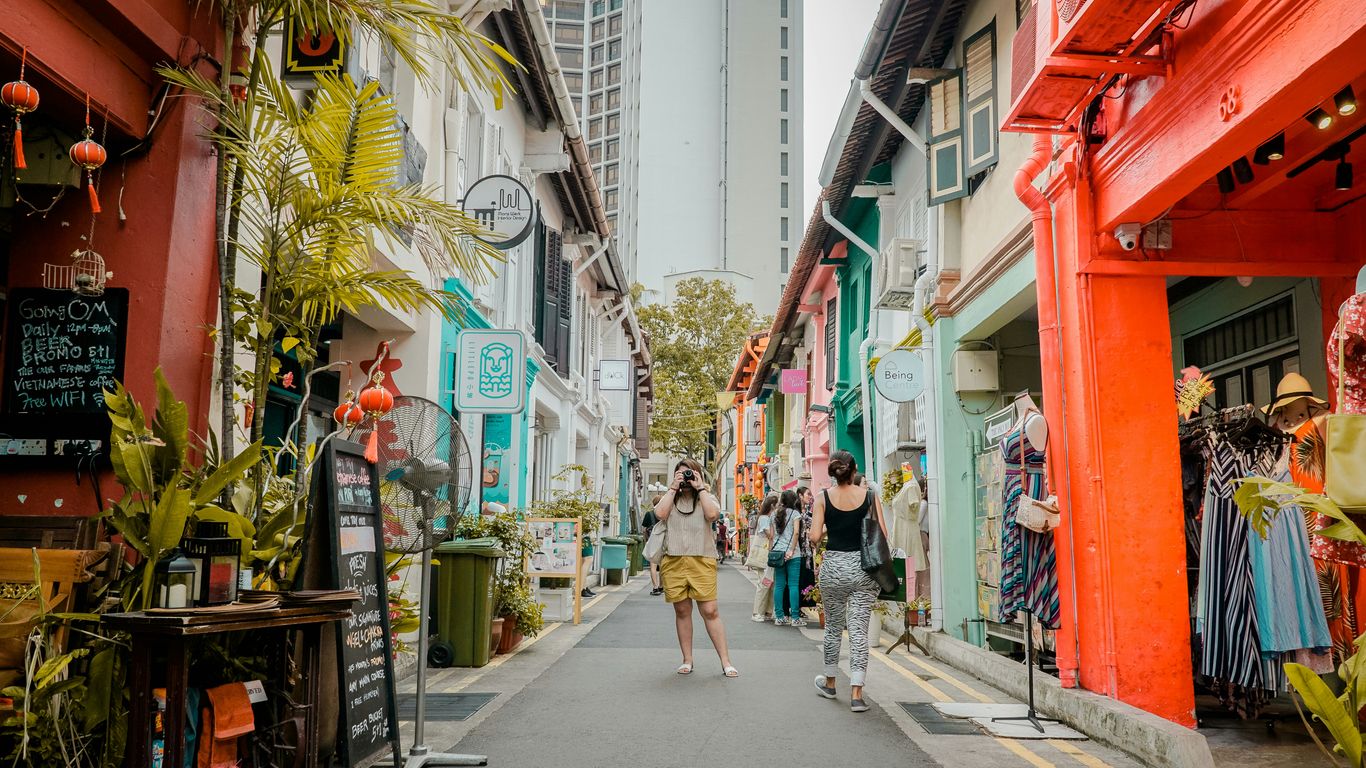
How heritage trails connect Singapore’s past and present
A good trail makes the past feel close without pretending that a neighbourhood has stayed unchanged. A school, railway alignment or row of shophouses may carry one story in an archive and another in the memories of people who used the place. The pleasure lies in holding both accounts together: official history gives structure, while lived experience gives it texture.
This is why a walk can be more revealing than a quick visit to a single monument. The route shows relationships between places—the temple near the former market, the civic building facing an open field, the old shopfront beside a new apartment block. Singapore Heritage’s heritage walking routes take this story-led approach across neighbourhoods, food, architecture and old trades.
The stories behind shophouses, temples and civic buildings
Shophouses often appear decorative at first glance, but their façades also reveal practical and social histories. Narrow plots, covered walkways, ventilation, upper-floor living spaces and ground-floor trade speak of dense urban life. Temples and clan associations, meanwhile, point towards networks of migration, mutual aid and belonging rather than functioning only as picturesque stops.
Civic buildings tell a different part of the story. Their scale and placement reflect changing ideas about administration, education and public life. Together, these structures show that Singapore’s heritage is made from both ceremonial spaces and ordinary places where people worked, worshipped, ate and met.
Official trails, self-guided routes and local walking tours
An official trail can offer a reliable sequence of landmarks and concise historical context. A self-guided walk gives more freedom to pause, change direction or return to a place that catches the eye. A local walking tour adds interpretation, especially where a building’s significance depends on memories, old trades or details that are not obvious from a plaque.
The choice depends on the walker. Families may prefer a shorter route with frequent places to rest, while a researcher or keen photographer may enjoy following a longer map at a slower pace. Singapore Heritage describes more than forty story-led routes across the island, including neighbourhoods beyond the usual central circuit.
How to read the signs, plaques and conserved architecture
Signs and plaques are useful starting points, but they are not the whole conversation. A walker can compare the date on a building with its materials, changes in use and surrounding streetscape. Faded paint, repaired tiles, altered shutters and a surviving five-foot way may reveal how a place has adapted over time.
It helps to ask a few quiet questions: who used this space, who maintained it, and what has changed around it? A plaque provides a thread; careful observation follows it. That habit keeps a walk curious rather than hurried.
Choosing the right heritage trail in Singapore
There is no single best route for every visitor. Singapore’s compact geography makes several districts accessible in one day, but heat, rain, stairs and opening hours can change the practical character of a walk. The most rewarding itinerary is usually the one that leaves enough time to look up, stop for a drink and listen.
The best areas for first-time visitors
First-time visitors often find the central civic district, Chinatown, Kampong Gelam and Little India approachable because each has a clear concentration of landmarks and food stops. They also offer different versions of the city: administrative and colonial histories around City Hall, immigrant and mercantile histories in Chinatown, and Malay, Arab, Indian and religious histories in the other two precincts.
A first walk need not cover everything. One neighbourhood, explored with attention, can provide a richer introduction than a long itinerary that turns into a series of hurried photographs.
Short routes for a relaxed afternoon
For a relaxed afternoon, a route of roughly two to three hours works well. It allows for shade, a museum or place of worship, a meal and a few unplanned pauses. Short walks are particularly suitable for older travellers, families with young children and anyone arriving after a morning flight.
A useful compact route can be shaped around three elements:
- one landmark that establishes the neighbourhood’s history;
- one living business, market or food tradition;
- one quieter street where the architecture can be observed slowly.
This balance prevents the walk from becoming either a monument checklist or a purely commercial outing. It also makes the experience easier to remember once the visitor has moved on.
Longer walks for architecture and social history
Longer walks suit people who want to compare building types, trace a route between districts or explore how work and housing once fitted together. They reward comfortable shoes and a willingness to take detours. A route through less polished spaces can be especially illuminating because workshops, provision shops, estates and markets show how the city functions day to day.
Singapore Heritage’s neighbourhood tour guide gathers stories by place, food, craft, architecture and old trade, making it a useful companion for readers deciding which theme deserves more time. The strongest longer walks still need a clear centre of gravity; otherwise, distance begins to replace meaning.
Planning around weather, accessibility and opening hours
Singapore’s tropical weather can change a pleasant walk into a tiring one. The route should be checked for indoor stops, covered walkways, public toilets, seating and areas where a lift or step-free alternative is available. Museums, temples and small businesses may have different opening hours, and some religious sites pause activities during ceremonies.
| Planning question | Why it matters | A practical response |
|---|---|---|
| How hot will the route feel? | Heat affects pace and concentration | Begin earlier or choose a shaded, shorter circuit |
| Where are the rest points? | Heritage routes can involve long stretches on foot | Mark cafés, malls, galleries and sheltered seating |
| Which sites are open? | Small venues may keep limited hours | Check before setting out and keep alternatives nearby |
| Is the route step-free? | Kerbs, stairs and narrow walkways can affect access | Confirm entrances and consider a shorter adapted route |
The table is not a substitute for checking conditions on the day, but it encourages realistic planning. A slower route with fewer stops often gives more pleasure than an ambitious one abandoned halfway through.
Walking through Singapore’s civic and colonial history
The civic district offers a visible framework for Singapore’s institutional history. Open lawns, formal façades, museums, memorials and river crossings create a route through changing ideas of power and public life. Yet the district is not frozen in a colonial image; contemporary offices, performances, transport links and residents’ routines continue to give it new meaning.
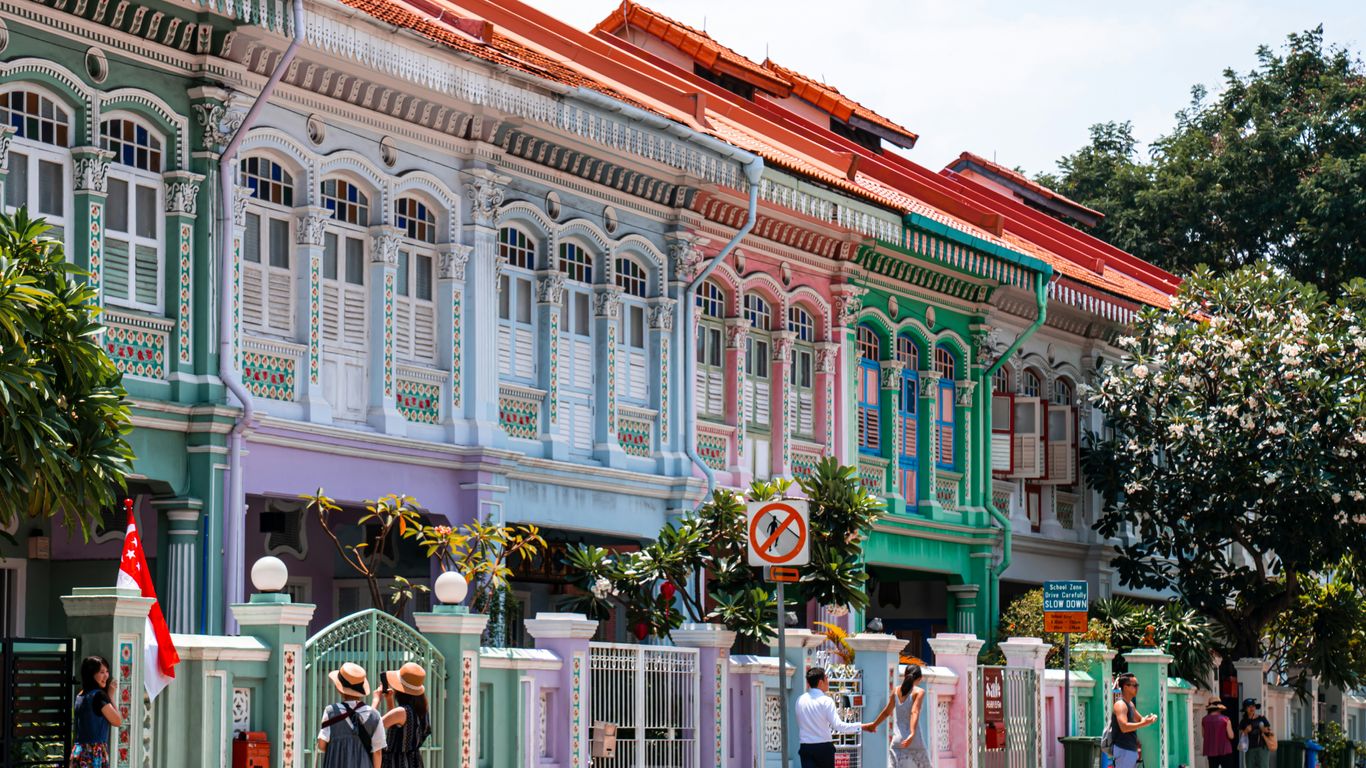
From the Padang to the Singapore River
A walk from the Padang towards the Singapore River moves between open ceremonial space and the older energy of commerce and transport. The contrast is useful: one area presents the city through public institutions, while the river recalls movement of goods, workers and communities.
Along the way, the walker can notice how the ground rises and falls, how buildings turn towards open space and how bridges organise movement. The route becomes less about ticking off landmarks and more about understanding why the city developed around these connected spaces.
Key landmarks around City Hall and Bras Basah
City Hall and Bras Basah bring together civic, religious, educational and cultural buildings. Their varied scales make the area good for architectural comparison. A grand institutional façade may stand close to an older school or church, while a modern cultural venue changes how the street is used after dark.
Bras Basah also demonstrates how a district can gather layers without reducing them to one narrative. Education, art, faith and administration have all occupied nearby ground. The most attentive walks look for the links between these functions rather than treating each building as an isolated object.
How museums and memorials deepen the route
Museums can supply chronology and primary objects, while memorials invite a more personal response to events and loss. Neither should be treated as a quick indoor pause between outdoor attractions. A short visit, chosen around one question from the walk, is often enough to sharpen the whole route.
A museum display about work, migration or wartime experience may change the way a visitor reads an ordinary street afterwards. Likewise, a memorial can remind walkers that civic history includes absence, sacrifice and contested memory, not only architectural achievement.
What to notice in the city’s changing skyline
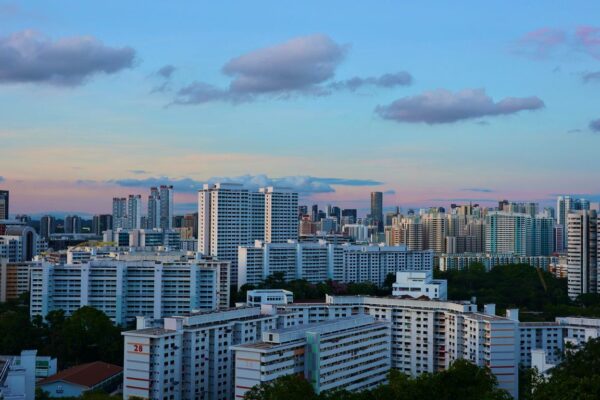
The skyline is part of the historical argument. Modern towers rise behind low conserved buildings, and new transport infrastructure can alter old sightlines. Rather than seeing this as a simple clash between old and new, a walker can ask what has been retained, what has been moved and whose needs the new city is designed to serve.
The view from the river is especially revealing. Reflections, bridges and towers compress several periods into one scene, but the details at street level keep the picture human. A delivery rider, office worker or riverfront diner belongs to the present chapter of that history.
Exploring Chinatown’s layered heritage
Chinatown is often introduced through its temples, lanterns and food, but its history is more varied than a single visual identity suggests. The district has been shaped by migration, commerce, family organisation, faith and urban redevelopment. Its strongest walks move between major landmarks and the smaller evidence of ordinary life.
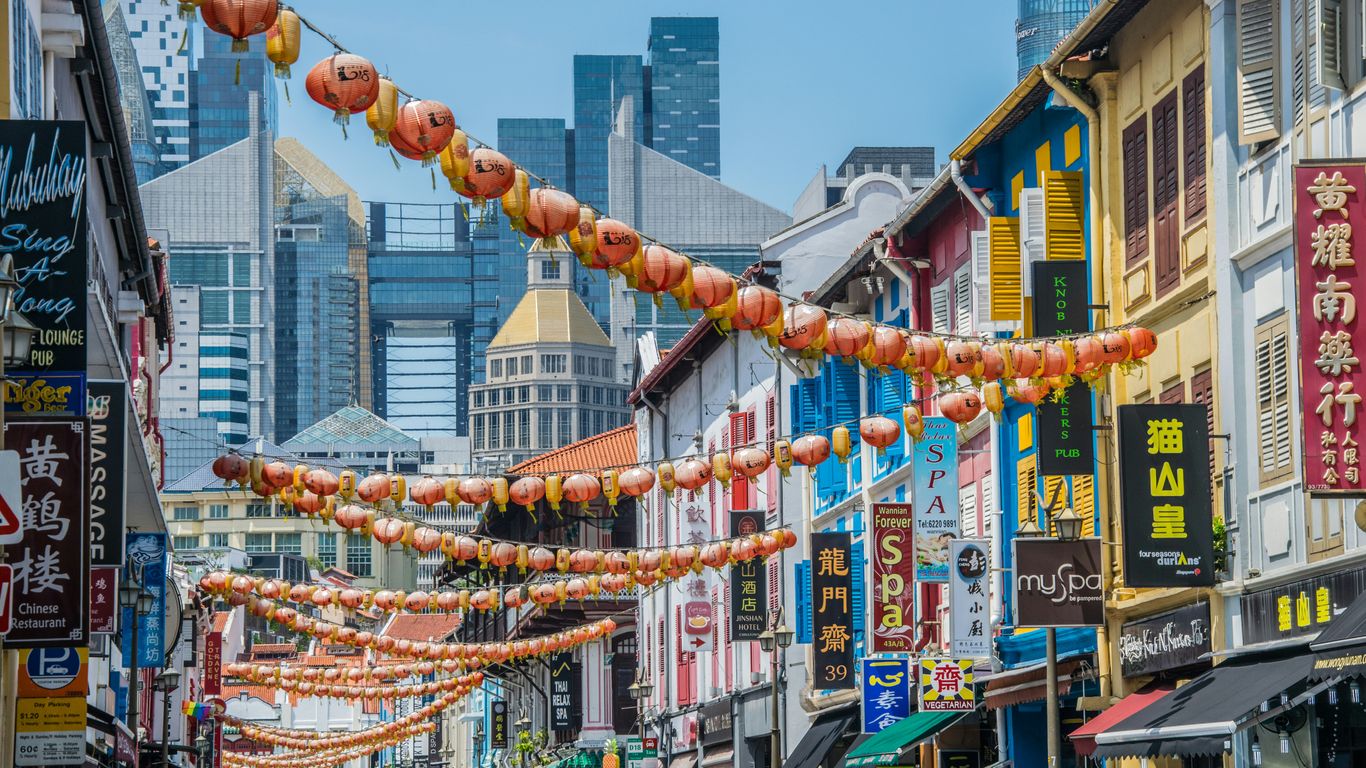
Tracing the neighbourhood’s early immigrant communities
Early immigrant communities did not form one uniform group. People arrived from different regions, spoke different languages and built associations around kinship, occupation, religion and place of origin. A walk can acknowledge this variety by noticing the different institutions and trades that developed within a relatively compact district.
The story also includes women, domestic workers, hawkers, porters and children, even when the surviving architecture gives more prominence to merchants or association leaders. That wider frame helps Chinatown feel like a lived neighbourhood rather than a stage set for a familiar tourist story.
Temples, clan associations and traditional trades
Temples and clan associations often served practical as well as spiritual purposes. They could offer social connection, advice, support and a sense of continuity for people far from their original homes. Nearby trades—food preparation, tailoring, medicine, carpentry and small-scale retail—formed the working ecology around them.
Visitors should allow these places to remain places of worship and community. A quiet observation from a public walkway can be more respectful than entering every interior or interrupting someone’s routine. The history is still present even when the visitor does not gain close access.
Shophouse design and the conservation story
Chinatown’s shophouses show how architecture responded to density, climate and commerce. Repeated façades create visual rhythm, but no two streets are quite the same once signs, repairs, extensions and neighbouring uses are taken into account. Conservation protects important character while leaving difficult questions about affordability, access and changing business needs.
The result is a district where preservation and adaptation sit beside each other. Look beyond the painted façade to the five-foot way, upper windows, drainage, corner plots and traces of former shop signs. These details can reveal more about the building’s working life than a polished exterior alone.
Where food culture fits into the walking experience
Food is not merely a reward at the end of a trail. Ingredients, cooking methods, serving objects and the location of stalls can all tell stories about migration and adaptation. A bowl of noodles, a cup of coffee or a traditional sweet may connect the walker to a network of labour and memory that architecture cannot show by itself.
Singapore Heritage’s food heritage stories explore the objects and social habits associated with kopitiams, including cups, mugs, tiled tables and handwritten slips. A considerate food stop supports the businesses that keep these traditions active, while leaving room for the meal to be enjoyed without turning workers or diners into scenery.
Discovering Kampong Gelam and Little India
Kampong Gelam and Little India are close enough to compare but distinct enough to resist being folded into one generic cultural quarter. Their buildings, religious institutions, commercial rhythms and community memories have different origins. A walk between them rewards attention to colour and ornament, but also to ownership, worship, work and change.
Kampong Gelam’s Malay, Arab and royal connections
Kampong Gelam’s history includes Malay leadership, Arab trading connections, religious life and the development of a busy commercial district. The mosque, palace precinct and surrounding streets offer an architectural anchor, while textile shops, eateries and small businesses show how the area continues to serve communities today.
Its identity is not contained in a single monument. The relationship between the main thoroughfares and quieter side streets is just as revealing, particularly where older shopfronts meet new creative, retail and hospitality uses.
Little India’s religious landmarks and commercial streets
Little India’s religious landmarks sit within a lively commercial landscape of groceries, flower sellers, jewellery shops, eateries and service businesses. The sounds and smells of the streets are part of the experience, but they should not obscure the history of the people who built and sustained these networks.
A route may include a temple, church or mosque alongside a market and a traditional business. Together, they show how religious and commercial life overlap in a working neighbourhood. The visitor’s role is to observe carefully, spend thoughtfully and avoid treating activity as a performance arranged for outsiders.
Comparing the two neighbourhoods’ architectural identities
Kampong Gelam often presents a more restrained rhythm of shophouse façades and broad religious or civic references, while Little India is known for denser visual and commercial layering. These are tendencies, not rules. Both districts contain repaired, altered and newly occupied buildings, and both reward a close look at thresholds, signs, rooflines and colour.
Comparison is useful when it remains specific. Instead of asking which neighbourhood is more colourful, a walker might ask how each district uses the street, where shade is created, which businesses occupy the ground floor and how faith is made visible in public space.
Visiting places of worship respectfully
Places of worship require more than a quick etiquette checklist. Visitors should follow posted guidance, dress appropriately, remove shoes where requested, keep voices low and ask before taking photographs. During prayer, ceremonies or processions, the respectful choice may be to wait outside or return another time.
The same care applies to people. Worshippers, volunteers and workers are not props for a travel story. A little patience makes the visit more meaningful because it allows the place to be encountered on its own terms.
Finding heritage beyond the city centre
Singapore’s history does not end where the central skyline begins. Residential estates, industrial areas, coastal districts and former military sites hold stories about planning, labour, migration, recreation and family life. These places may not offer a continuous row of monuments, but they often provide a clearer sense of how the city is lived.
Neighbourhood stories in Joo Chiat and Katong
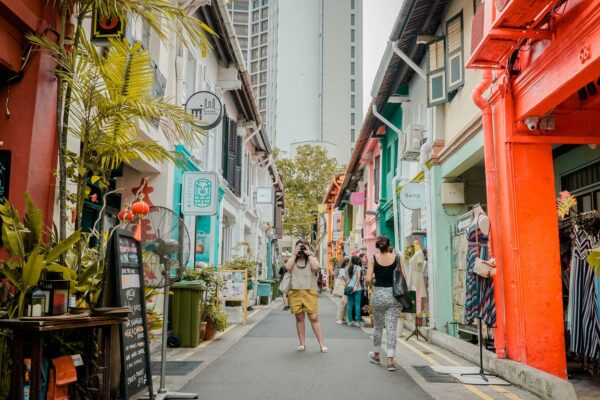
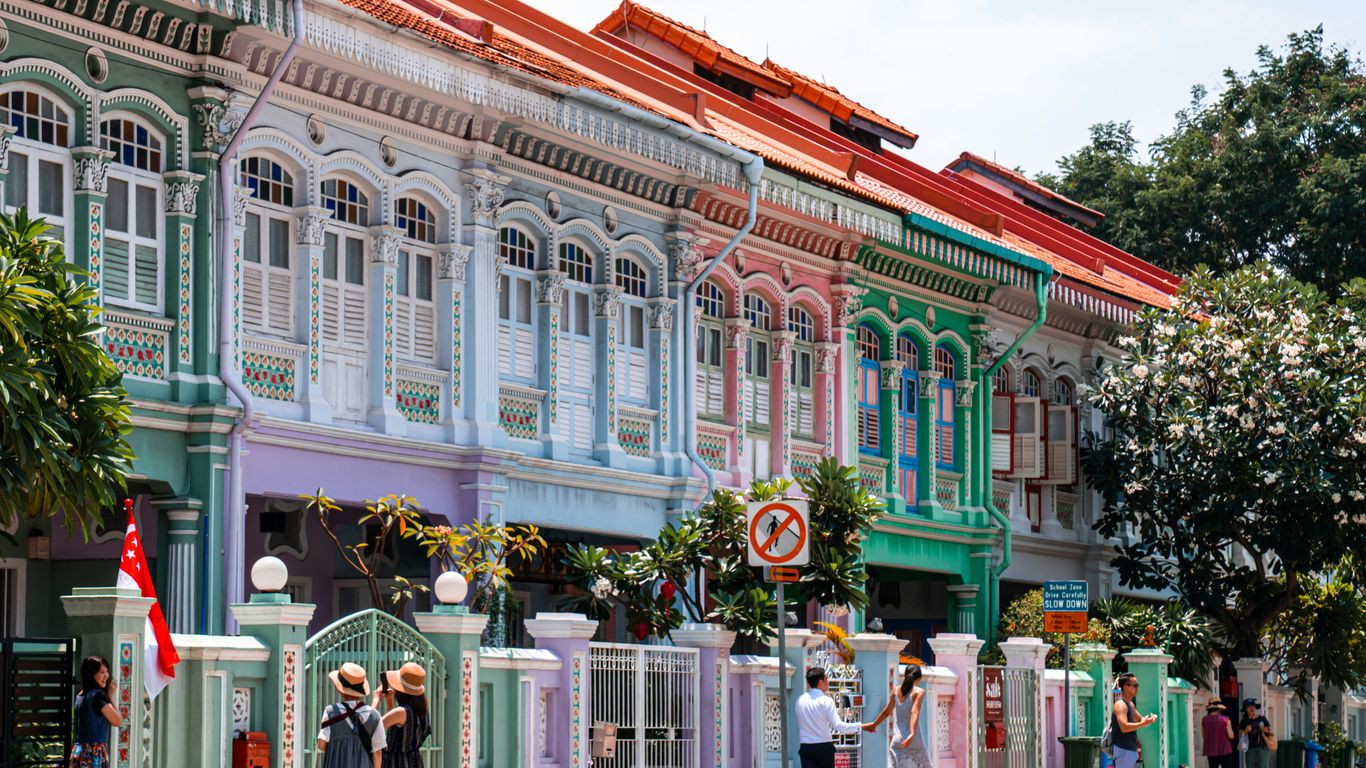
Joo Chiat and Katong bring together plantation history, suburban development, Peranakan culture, family businesses and distinctive shophouse design. Decorative tiles and painted façades are memorable, yet the area is also shaped by food, religious landmarks, schools and the routines of residents.
A practical route can take around three hours, with time for food and architectural observation. Singapore Heritage’s Joo Chiat and Katong walks focus on the relationship between shophouses, patterns, family businesses and local cuisine rather than treating the district as a collection of façades.
Community history along the Singapore River and riverfront areas
The Singapore River is often read through trade and colonial commerce, but riverfront history also includes workers, boatmen, warehouses, housing and the later transformation of the waterfront. A walker can compare the polished promenade with the evidence of older working arrangements that survive in building forms and street names.
Riverfront areas are also useful for thinking about public space. Who sits there, who passes through and what kinds of activity are welcomed? These questions connect the river’s past to its present life without forcing the two into a tidy story.
Sentosa’s military and maritime past
Sentosa’s leisure identity sits above an older military and maritime history. Fortifications, coastal positions and routes across the island point to strategic concerns that are easy to miss amid beaches and attractions. The island’s story is therefore a reminder that landscapes can be repurposed while still carrying traces of earlier uses.
The Sentosa heritage guide offers a useful starting point for readers who want to place those landmarks within the island’s wider history. A slower visit, with attention to terrain and views across the water, can make the military past easier to understand.
How heartland heritage trails reveal everyday Singapore
Heartland trails often follow schools, markets, housing estates, playgrounds, workshops and places where neighbours gather. Their value lies in showing how national policies and social change appear at street level. A wet market renovation, an old bus route or a surviving repair business can say as much about Singapore as a formal monument.
Community-led routes are particularly good at bringing forward memories that may not appear in standard architectural histories. For broader context, new neighbourhood walking trails show how district routes can combine local history, green spaces and everyday community stories.
Making a heritage trail walk more meaningful
A heritage walk becomes memorable when it is paced like an encounter rather than consumed like an itinerary. The walker needs enough preparation to feel comfortable, but enough openness to notice what was not listed on the map. This approach suits both residents revisiting a familiar district and visitors looking for a more grounded view of Singapore.
The best times of day and seasons for walking
Early mornings and later afternoons are usually kinder for outdoor walking, especially on routes with limited shade. The light also changes how façades, covered walkways and street markets appear. Rain need not cancel a walk, but it helps to choose districts with indoor stops and to keep a shorter alternative in reserve.
Seasonal events and religious festivals can add colour and activity, though they may also make streets busier. Visitors should check local guidance and accept that a ceremony is a community occasion first, not a photographic opportunity.
What to bring, from maps and water to sun protection
Comfort makes attention possible. Water, sun protection, a hat, comfortable footwear and a charged phone are sensible basics. A small notebook can be more useful than a large camera because it encourages the walker to record a phrase, shop sign or detail that might otherwise disappear.
A simple preparation list helps keep the bag light:
- water and a refill plan;
- sun protection and a compact umbrella;
- route notes, transport information and emergency contacts;
- footwear suited to uneven pavements and long pauses;
- a respectful approach to photography and conversation.
The list is deliberately ordinary. Heritage walking does not require specialist equipment; it requires enough comfort to remain present, and enough restraint to let places and people set the pace.
Using public transport to start and end your route
Public transport makes it easy to begin in one district and finish near a different rail or bus connection. The route should be planned around the actual walking distance between stops, not just the distance shown on a map. A nearby station may still involve crossings, stairs or a long exposed stretch.
For visitors, a route that starts and ends near transport is especially helpful on a short stay. Singapore Heritage’s visitor heritage options are designed around neighbourhood walks and MRT access, with planning information for overseas visitors.
Supporting local businesses and preserving living heritage
Spending at a family-run shop, eating at a local stall or booking a responsible guide can help keep a neighbourhood’s working knowledge visible. It is not a guarantee that a business will remain, but it recognises that heritage depends on livelihoods as well as buildings.
Visitors can also contribute in quieter ways: ask permission before recording a story, credit the person who shares it and avoid repeating private details without consent. Those practices matter to community archives and memory projects. Readers interested in supporting community memory can learn about story calls, photo scanning days and other forms of participation.
Conclusion
Singapore’s heritage trails are invitations to notice how history continues in streets, food, faith, work and memory. Whether the route passes through the civic district, Chinatown, Kampong Gelam, Little India or a less familiar estate, the most generous way to walk is slowly, respectfully and with curiosity.
Frequently Asked Questions
What is the best heritage trail singapore route for a first visit?
The civic district, Chinatown, Kampong Gelam and Little India are strong starting points because they offer concentrated landmarks, food and cultural history. The best choice depends on available time, walking comfort and interests.
How long does a Singapore heritage walk usually take?
A short route may take two to three hours, while a more detailed neighbourhood walk can take half a day. Time should be allowed for rests, meals, museums and unexpected discoveries.
Can heritage trails be explored without a guide?
Yes. Official maps, signs and plaques can support a self-guided walk. A local guide may add memories, context and connections between places that are not immediately visible.
What should visitors wear on a heritage trail?
Light, comfortable clothing and supportive shoes are sensible in Singapore’s warm, humid climate. Sun protection and a compact umbrella are useful, particularly on routes with limited shelter.
Are Singapore heritage trails suitable for families?
Many are, especially when the route is short and includes food, open spaces and regular rest points. Families should check for stairs, traffic crossings, heat and the accessibility of individual attractions.
How should visitors behave at temples and other religious sites?
Visitors should follow posted rules, dress appropriately, keep quiet, ask before photographing and avoid interrupting worship. When a ceremony is taking place, waiting outside may be the most respectful option.
How can walkers support living heritage?
They can spend thoughtfully at local businesses, book community-minded experiences, seek consent before recording stories and credit the people who share knowledge. Respectful attention is part of preserving heritage.
Book a story-led walk when a neighbourhood deserves more than a quick look; plan a guided route with people who know its streets, businesses and memories.
For readers curious about the wider language of place and culture, heritage trails offer another starting point for exploring Singapore’s historic districts and everyday stories.