Key Takeaways
Singapore’s heritage is easiest to understand at walking pace, where grand landmarks sit alongside food stalls, homes, workshops and places of worship.
- Chinatown reveals layers of migration, faith and commerce.
- Kampong Gelam brings Malay history into conversation with contemporary creative life.
- Little India rewards close attention to colour, detail and daily ritual.
- Joo Chiat, Katong, Tiong Bahru and the Singapore River show how neighbourhoods keep changing.
- A thoughtful walk leaves room for residents, makers and ordinary routines—not only famous sights.
1. Chinatown: Temples, shophouses and stories of early Singapore
Chinatown is a natural first chapter in a heritage walk Singapore itinerary because its streets hold several histories at once. Temple courtyards, clan associations, market lanes and shophouses sit within a compact area, making it possible to notice how religion, trade and migration shaped one another. The best walks do not hurry from landmark to landmark; they pause at thresholds, rooflines and shop signs.
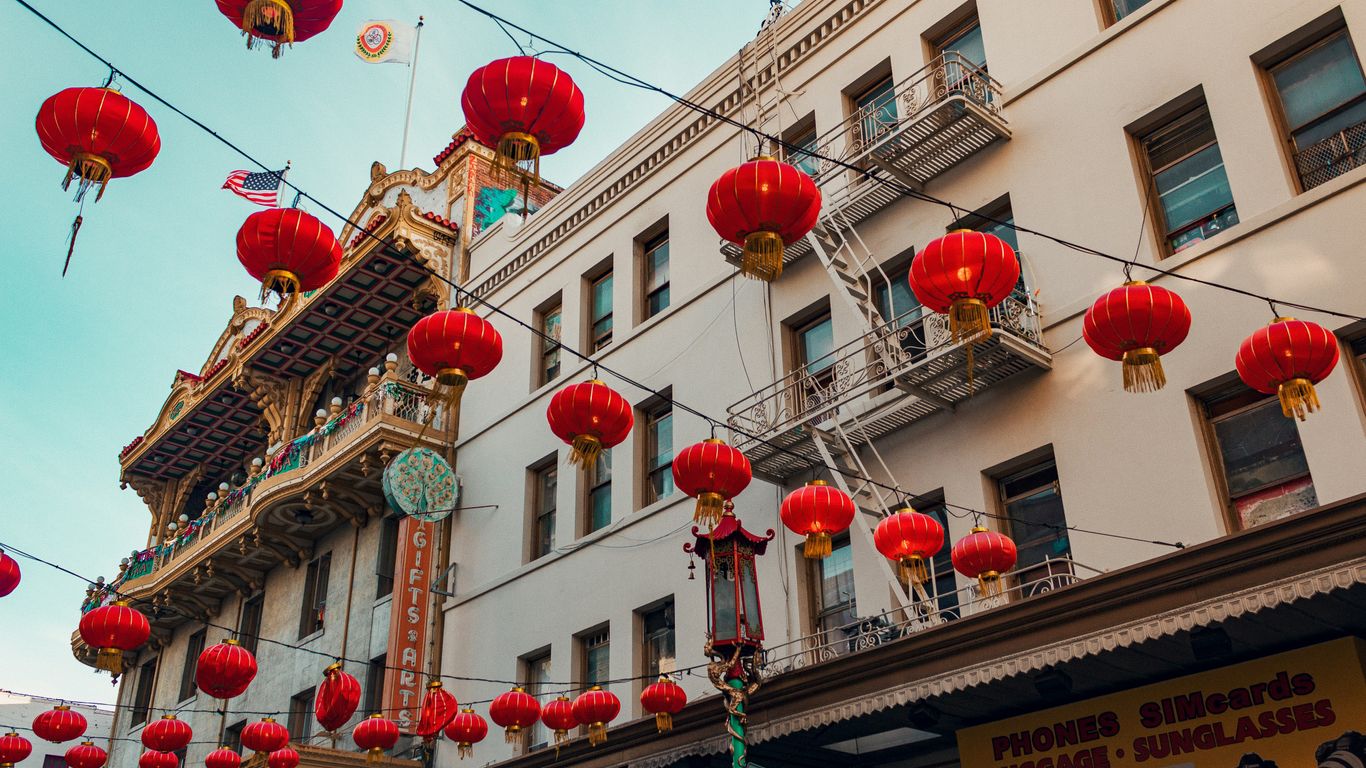
A stroll may begin around South Bridge Road, where places of worship stand close together and architectural details reward a slower gaze. Painted shutters, five-foot ways and narrow frontages hint at the practical life of earlier shopkeepers, while food businesses continue to give the area its everyday energy. Singapore Heritage creates small-group heritage walks that connect visitors and residents with community stories, rather than treating Chinatown as a museum set.
There is also value in looking beyond the most photographed corners. A provision shop, a familiar coffee stall or an old sign can open a conversation about work and belonging more vividly than a date on a plaque. Readers interested in how everyday objects become part of Singapore’s social archive can explore kopitiam objects and memories, then return to the street with sharper eyes.
2. Kampong Gelam: Malay heritage, grand mosques and creative culture
Kampong Gelam has a distinctive rhythm, with the golden dome of Sultan Mosque providing a visual centre and the surrounding streets carrying traces of Malay, Arab, Bugis and broader trading histories. The district feels both ceremonial and lived-in: visitors may pass textile shops, cafés, residences and design studios within the same short walk. Its character comes from that overlap, not from any single landmark.
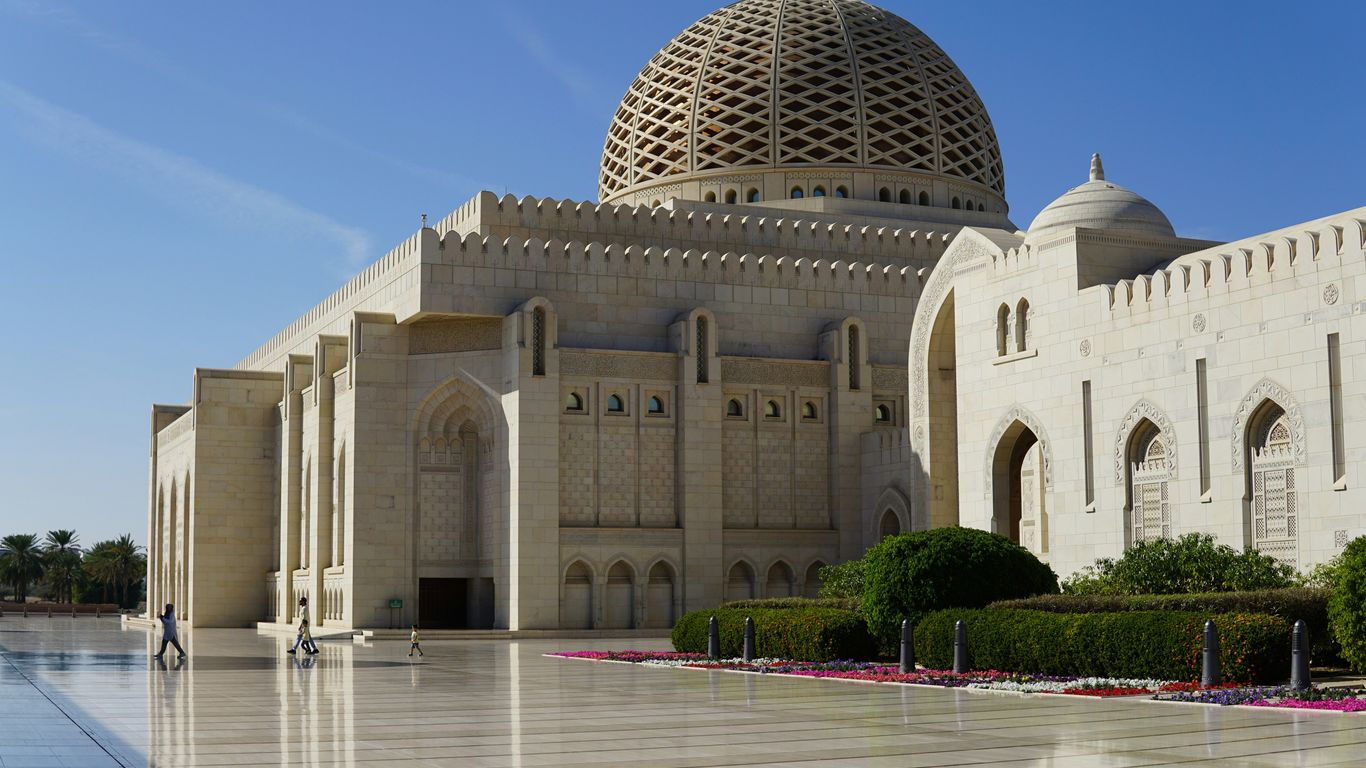
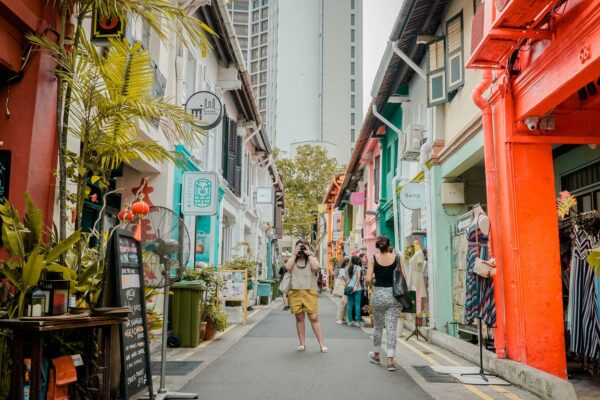
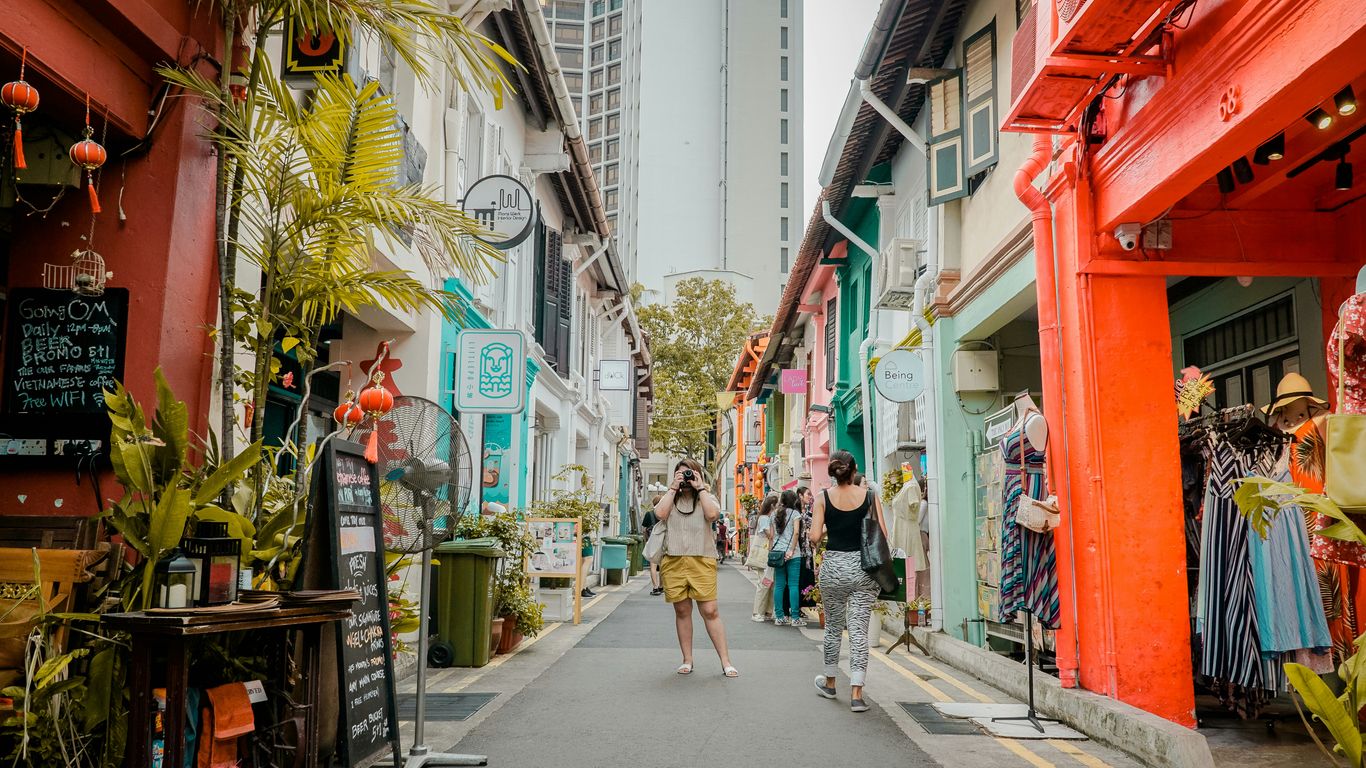
Around Bussorah Street and the lanes leading towards Haji Lane, changes in colour and scale become part of the story. Fabric, fragrance, food and street art create a sensory route, while older façades reveal how commercial buildings were adapted over time. Singapore Heritage’s storytelling experiences are most at home in such places, where a building’s past remains connected to the people using it now.
A respectful visit gives active places of worship room to function on their own terms. Modest clothing, quiet observation and attention to local businesses make the walk more generous. The district can also be read as a lesson in adaptation: heritage survives here through continued use, careful renewal and the persistence of community memory.
3. Little India: Colourful streets, Indian traditions and architectural detail
Little India asks the walker to look closely. Its streets are rich with flower garlands, spice shops, goldsmiths, eateries and painted façades, but the visual abundance is only one part of the neighbourhood’s story. Tamil Indian traditions, migrant labour, religious life and commercial enterprise have all left marks on the district.
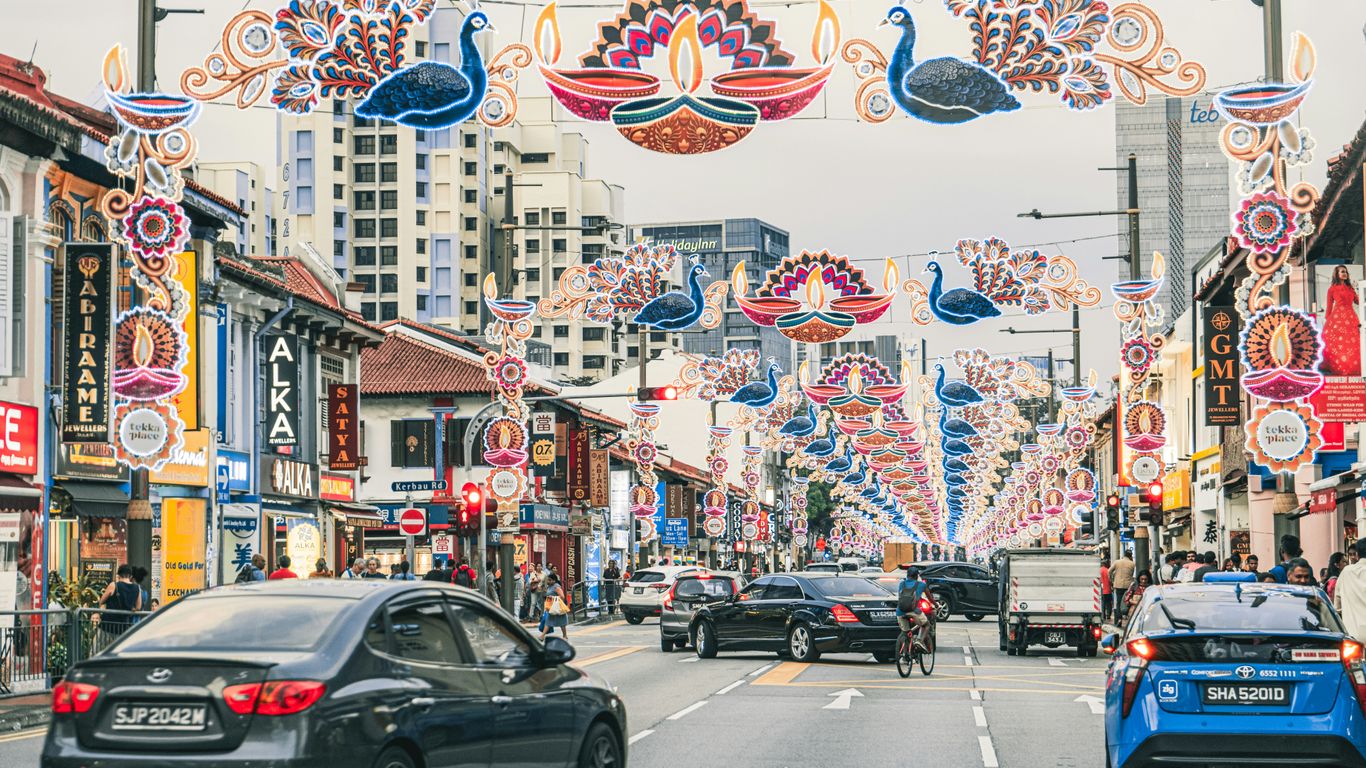
Serangoon Road provides an easy spine, though the smaller streets often offer the more revealing moments. At a temple, the threshold may be busy with worshippers; nearby, a shopfront might display objects whose uses are immediately familiar to one family and entirely new to another. Close observation changes the walk from a search for colourful backdrops into an encounter with living practices.
Architectural detail matters here: pilasters, vents, tiled walls and deep verandahs show how tropical conditions and urban commerce influenced the shophouse form. A visitor may also notice how food carries memory across generations, from breakfast dishes to sweets prepared for festivals. The neighbourhood is best approached with patience, asking before photographing people or devotional activity and allowing the street to set the pace.
4. The Civic District: Singapore’s colonial landmarks and national history
The Civic District offers a more formal architectural vocabulary, with grand institutional buildings, open civic spaces and the Singapore River nearby. Yet its history is not confined to colonial façades. The area also holds stories of administration, education, independence and the many communities whose labour made the city’s public life possible.
A walk between the former City Hall, the National Gallery area and the Padang reveals how power was represented in stone, columns and carefully planned views. It is useful to balance those monumental buildings with the human scale of streets, crossings and river edges. A marketing fundamentals guide may seem far removed from heritage, but its ideas about audience, positioning and clear messaging offer a useful reminder: every civic district tells a story through what it chooses to foreground.
The district also invites reflection on national memory. Museums and memorial spaces can establish a broad frame, while a guide or local story adds texture to the official account. Fort Canning, just beyond the core, extends the walk into older layers of Singapore’s past; the Fort Canning heritage route is one useful starting point for considering how royal, colonial and modern histories share the same ground.
5. Joo Chiat and Katong: Peranakan homes, local food and seaside character
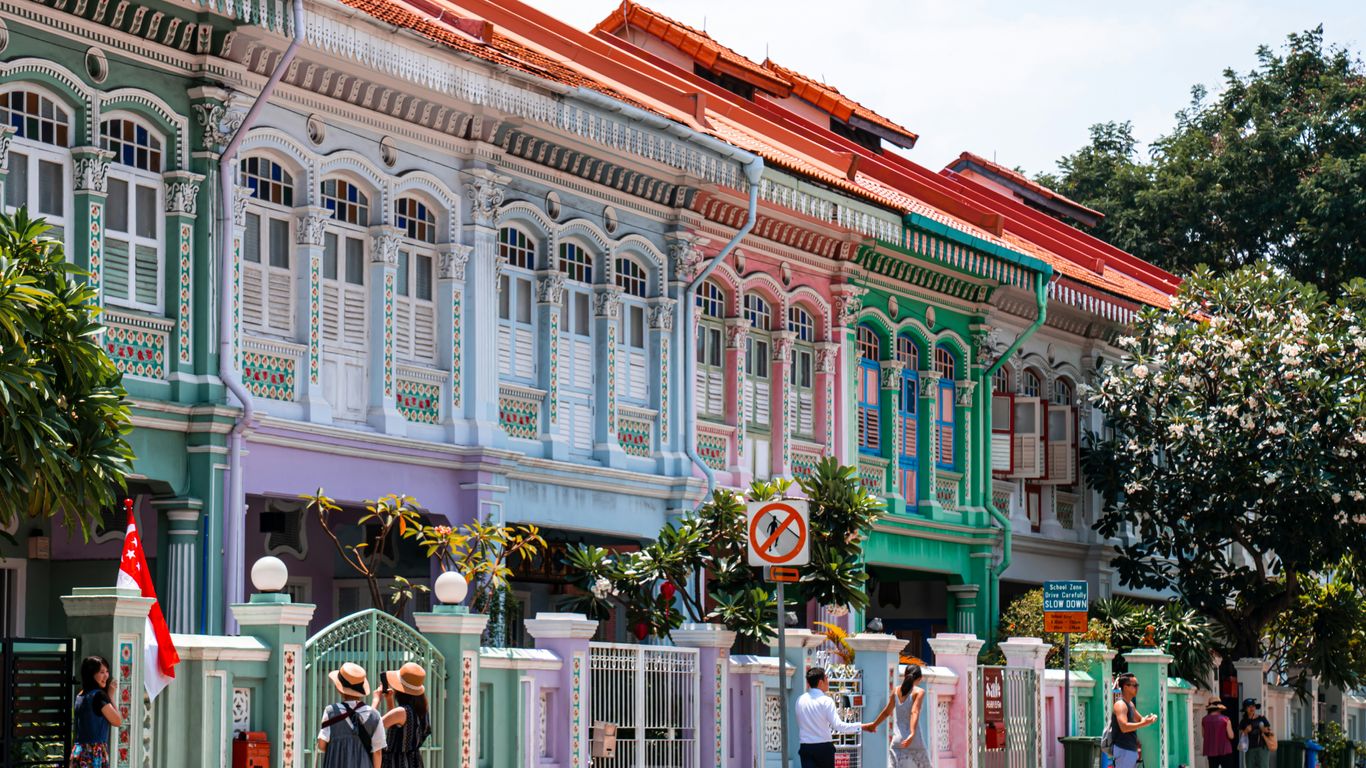
Joo Chiat and Katong are among the most rewarding neighbourhoods for a slower architectural walk. Ornate terraces, ceramic tiles, pastel façades and projecting windows create a streetscape that is immediately recognisable, but the district’s appeal goes beyond its prettiest rows. Plantation history, migration and suburban life have all contributed to the area’s layered identity.
A simple comparison helps walkers decide what to notice as they move between residential streets and food stops:
| What to notice | What it can suggest |
|---|---|
| Decorative tiles | Taste, trade and domestic identity |
| Five-foot ways | Shade, movement and neighbourly contact |
| Food businesses | Migration, memory and adaptation |
| Mixed building types | A district shaped over time |
The details become more meaningful when they are connected to people and use. Joo Chiat and Katong heritage offers a fuller introduction to the neighbourhood’s architecture and community stories, while a practical Joo Chiat walking guide helps with timing, accessibility and respectful photography. Together, they encourage visitors to see the homes as lived spaces rather than simply façades.
Local food gives the walk its other axis, linking Peranakan, Hokkien and Eurasian influences with the pleasures of an ordinary meal. Singapore Heritage creates researched gifts rooted in neighbourhoods, foodways, objects and everyday practices, so the story can continue after the route ends without turning the place into a souvenir display.
6. Tiong Bahru: Art Deco architecture and a neighbourhood’s reinvention
Tiong Bahru’s rounded balconies, horizontal lines and stairwell windows make it one of Singapore’s most distinctive early housing estates. Its architectural identity is strong, yet the neighbourhood is not frozen in an earlier decade. Markets, cafés, independent businesses and long-time residents now share the same streets, producing a layered atmosphere that rewards repeat visits.
The market and food centre provide an especially useful counterpoint to the clean geometry of the blocks. There, heritage is carried through routines: breakfast orders, familiar greetings, deliveries and the practical choreography of a busy public space. A walk that includes these ordinary encounters feels more complete than one devoted only to Art Deco façades.
Tiong Bahru also shows how reinvention can be gradual and uneven. New uses may bring attention and investment, while older businesses and residents continue to anchor the area’s social memory. Singapore Heritage’s small-group heritage walks are designed around local stories and neighbourhood life, a fitting approach for a district where change is most visible at street level.
7. The Singapore River: Trade, migration and waterfront heritage in motion
The Singapore River is less a single destination than a moving line through the city. Its quays recall the work of boats, warehouses, merchants and labourers, while the water still provides a changing perspective on the districts beside it. Walking here connects commercial history with the movement of people and goods that helped shape modern Singapore.
Several observations make the waterfront more rewarding than a straightforward promenade:
- Watch how the river bends and changes the view of the quays.
- Compare restored façades with the scale of their former working spaces.
- Notice where bridges connect districts with different histories.
- Pause for the sounds of water, traffic, businesses and passing conversations.
These small pauses keep the river from becoming a background for skyline viewing. They return attention to logistics, labour and the daily life that once gathered around the water, while also acknowledging the area’s present-day restaurants, residences and public spaces. The Singapore heritage tour collection includes story-led routes across the island, including the Singapore River, and can help a visitor place this waterfront walk within a wider map of neighbourhood histories.
For a different kind of context, the local heritage walking trails show how walking can bring history, culture and community spaces into the same experience. Even without following a formal route, the principle is useful: the river is understood through connections—to streets, trades, meals, bridges and memories—rather than through scenery alone. Singapore Heritage creates storytelling experiences that keep those connections at the centre, with local voices guiding the way.
Conclusion
A heritage walk Singapore itinerary becomes richer when it leaves the postcard route behind and follows the details that people still use, repair, cook, worship and remember. Across seven neighbourhoods, Singapore’s history appears not as a sealed collection of monuments but as a living conversation between buildings, foodways, work and community. Walking slowly gives that conversation time to be heard.
Frequently Asked Questions
What is the best neighbourhood for a first heritage walk in Singapore?
Chinatown is a strong starting point because temples, shophouses, food businesses and migration histories sit close together. It offers a compact introduction to the city’s layered past.
How long should a Singapore heritage walk take?
Most neighbourhood walks are more enjoyable with at least two to three hours, including time for photographs, food, conversation and pauses. Larger routes may need half a day.
Can heritage walks be enjoyed in hot or wet weather?
Yes, but walkers should plan for shade, carry water and check the forecast. Covered walkways, cafés, markets and museums can provide useful pauses during a tropical shower or the hottest part of the day.
Are these neighbourhoods suitable for families?
Many are, especially when the route is kept flexible. Markets, temples, colourful streets and food stops can hold children’s attention, while shorter distances and regular breaks make the experience more comfortable.
Should visitors photograph temples and residential buildings?
Photography is usually best handled with discretion. Visitors should ask before photographing people or religious activity, avoid blocking entrances and remember that residential streets are lived environments rather than open-air displays.
Which neighbourhood is best for architecture?
Joo Chiat and Katong are known for ornate Peranakan-influenced terraces, while Tiong Bahru is especially notable for its Art Deco housing. The Civic District offers a contrasting experience of monumental public architecture.
Can a walking route include local food?
Yes. Food is one of the clearest ways to understand migration, family practice and neighbourhood change. A route can include a market, coffee shop, bakery or meal while allowing enough time to eat without rushing the walk.
Walk the Stories
Those who want more context can book a heritage walk with Singapore Heritage, where small-group routes and local storytelling bring Singapore’s neighbourhoods into focus at an unhurried pace.