Key Takeaways
These museums do more than preserve objects: together, they show how Singapore was made through movement, work, belief and memory.
- The National Museum offers a broad account of Singapore’s major historical turning points.
- The Asian Civilisations Museum places the island within wider Asian networks of trade and migration.
- The Peranakan Museum shows how cultures met, adapted and became something distinctive.
- The Malay and Indian Heritage Centres bring community, faith, language and everyday life into the story.
- Sun Yat Sen Nanyang Memorial Hall and Reflections at Bukit Chandu connect Singapore to political change, war and remembrance.
The National Museum of Singapore: the city’s broad national story
The National Museum is a natural starting point for anyone exploring history museums in Singapore. Its scale allows visitors to move from early settlement and port life towards colonial rule, war and independence. The building itself carries a sense of continuity, while the galleries ask how a small island became a modern nation. For a wider, street-level perspective, Singapore’s neighbourhood stories offer a useful companion to the formal museum narrative.
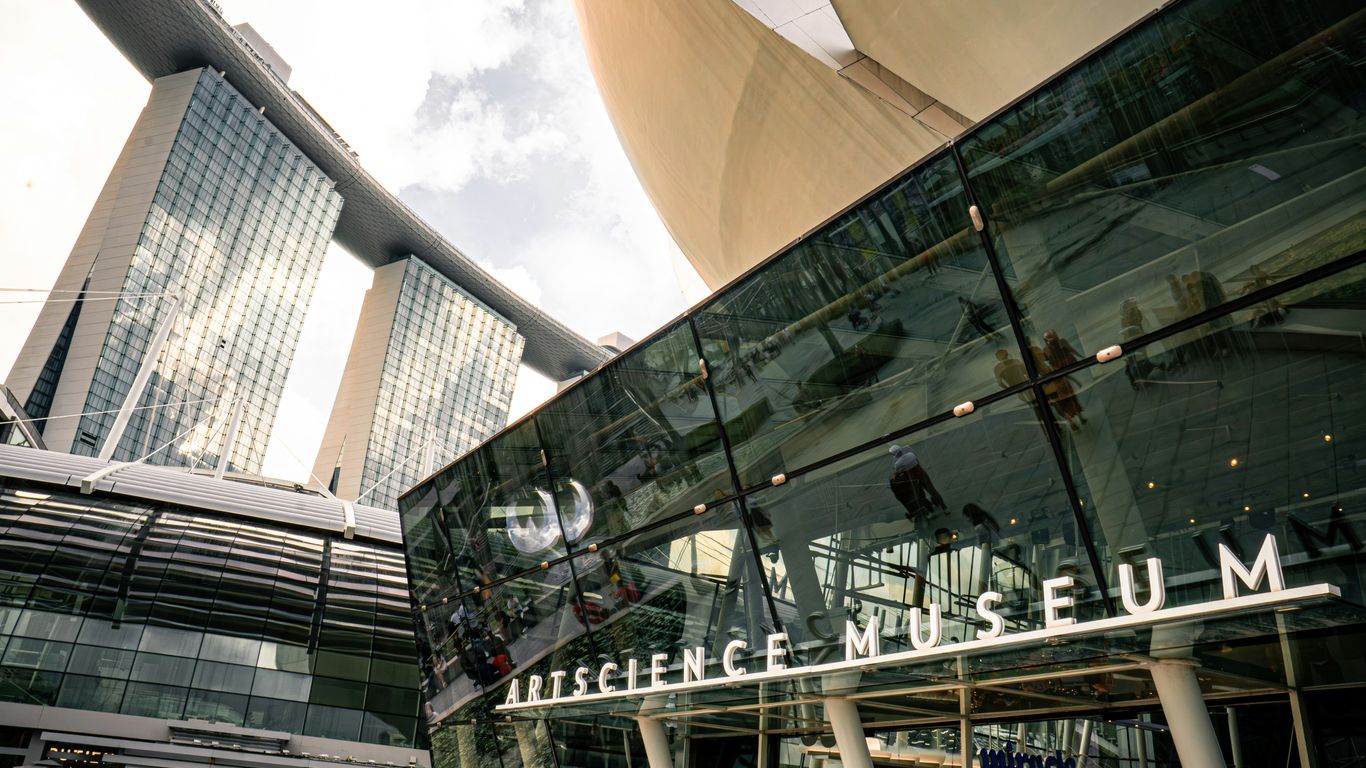
Reading Singapore’s past through its major turning points
A museum of national history has to make choices about sequence and emphasis. Turning points give visitors a clear route through complicated material, but they also invite questions about what happened between the famous dates. The most rewarding visit is therefore not a hunt for a single origin story, but a chance to notice how political decisions altered housing, work, movement and family life.
From colonial port to independent nation
Singapore’s transformation can be read through its changing role: a trading settlement, a British port, a colony shaped by global conflict, and an independent city-state. Each phase brought new institutions and new arrivals, but also uncertainty for people already living and working here. The National Museum of Singapore is especially helpful for seeing social history as a chain of lived changes rather than a list of official milestones.
What the museum includes — and what it leaves open to interpretation
No national museum can contain every voice or resolve every debate. Objects, photographs and personal accounts make the past tangible, while gaps in the record remind visitors that history is assembled from evidence. That openness matters: the museum provides a strong framework, but the streets, food stalls and family memories beyond its walls keep enlarging the picture.
Asian Civilisations Museum: Singapore as a crossroads of trade and migration
The Asian Civilisations Museum shifts the view from the island itself to the region around it. Singapore’s history becomes less a straight national journey and more a story of routes, exchanges and encounters. Objects can reveal how goods, techniques, religions and ideas travelled across seas long before the modern skyline appeared. This is one reason a museum visit pairs so naturally with a walk through the Civic District and Singapore River.
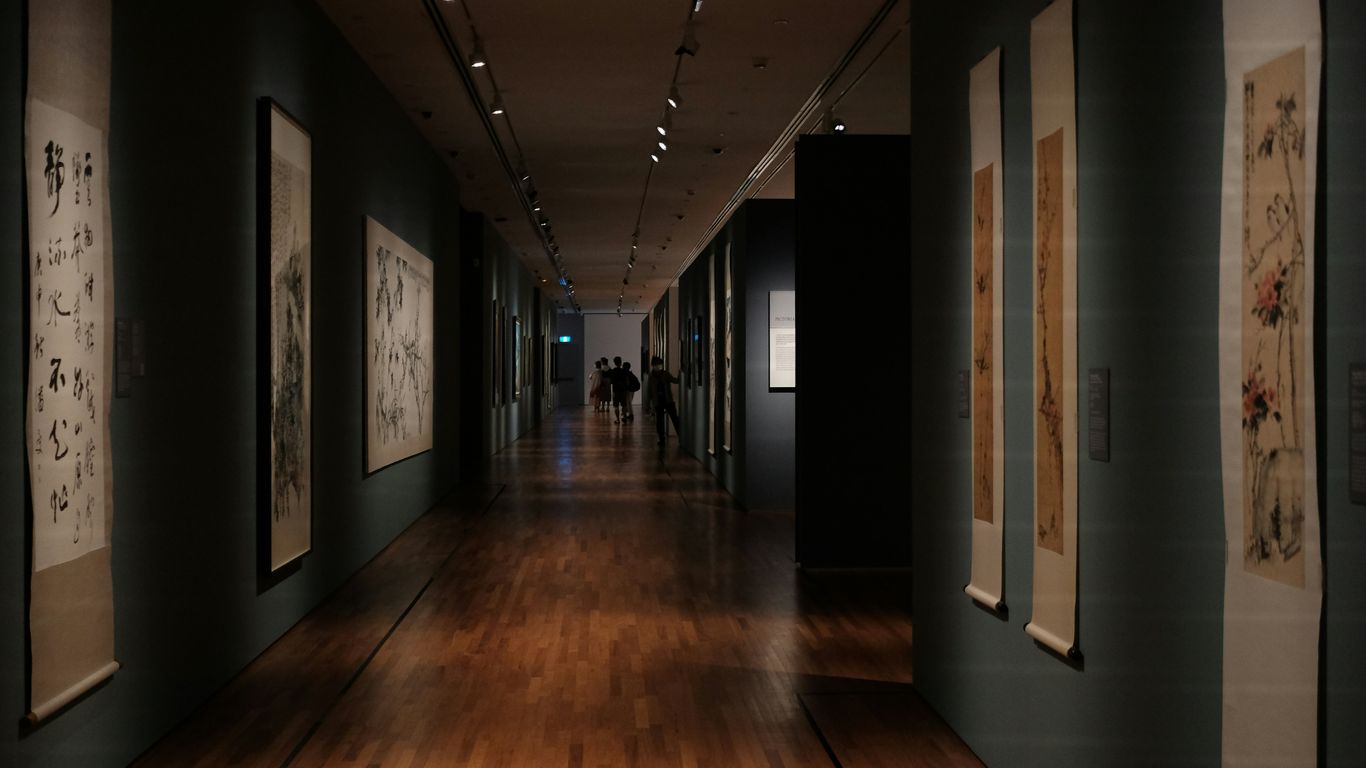
How regional connections shaped the port city
A port is defined by what passes through it, but also by the people who stay. Merchants, sailors, administrators, craftspeople and families created relationships that gave the port its social character. Trade brought wealth and competition, yet it also made the island dependent on wider systems of trust, language and exchange.
The influence of China, South Asia, Southeast Asia and the Islamic world
The museum’s collections allow visitors to compare traditions without treating them as sealed, separate worlds. Ceramics, textiles, religious objects and decorative arts carry traces of both local practice and distant influence. Even a small object may suggest a much larger story about patronage, travel and changing taste; the Hope Diamond, in a different setting, similarly shows how an object can gather stories of power, craft and human attachment around itself.
Why Singapore’s history cannot be separated from wider Asian networks
Singapore’s position was never simply geographical. Its significance came from connections that linked the island to ports, courts, markets and communities across Asia. A regional frame also helps explain why identity here has often been layered: people could belong to a household, a language group, a faith and a commercial network at the same time.
The Peranakan Museum: the making of a hybrid culture
The Peranakan Museum brings history close to the body and the home. Clothing, beadwork, furniture, jewellery and foodways show that culture is made through repeated choices, not inherited as a motionless package. The result is a story of intimacy as much as migration, with domestic rooms becoming places where identities were negotiated. Singapore Heritage’s living heritage stories take a similarly close interest in objects, practices and memories beyond museum cases.
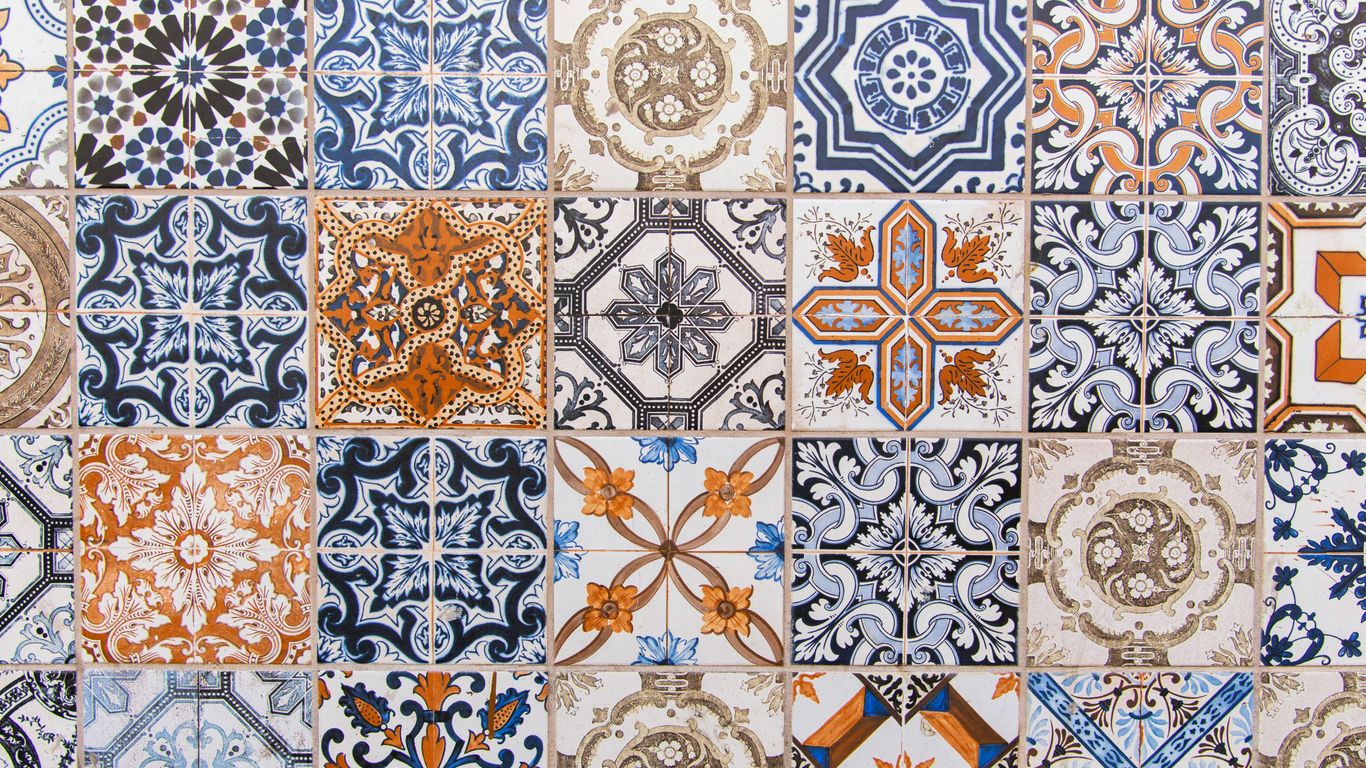
The communities and trade routes behind Peranakan identity
Peranakan identity grew from encounters among communities connected by regional trade and settlement. It cannot be reduced to one ancestry or one neighbourhood; its forms developed through marriage, commerce, language and local adaptation. That history is best understood as a process, shaped by Southeast Asian routes and by the particular circumstances of families living in Singapore and the wider region.
How food, clothing, religion and domestic life preserve history
Everyday things often carry history with unusual clarity. A textile can preserve a preference for colour and technique; a recipe can hold memories of substitution, scarcity and celebration; a household object can show how ritual fitted into ordinary routines. The same principle appears in AL Metal Solutions, where metal design is discussed through materials, finishes and the way objects alter lived spaces, though the museum’s concern is cultural rather than industrial.
What Peranakan heritage reveals about cultural exchange in Singapore
Peranakan heritage complicates the idea that cultures meet only at grand political or commercial events. Exchange happens in kitchens, marriages, religious practices, wardrobes and patterns of hospitality. It can produce something recognisably local without erasing the many routes and communities that made it possible.
The Malay Heritage Centre: Singapore before and beyond the modern skyline
The Malay Heritage Centre anchors Singapore’s modern story in Kampong Gelam, a district with royal, commercial and religious associations. Its presence helps correct the impression that history began with colonial administration or the contemporary city centre. The galleries and surrounding streets encourage visitors to consider authority, migration and community together. They also make clear that heritage is lived in language, worship, food and neighbourhood relationships.
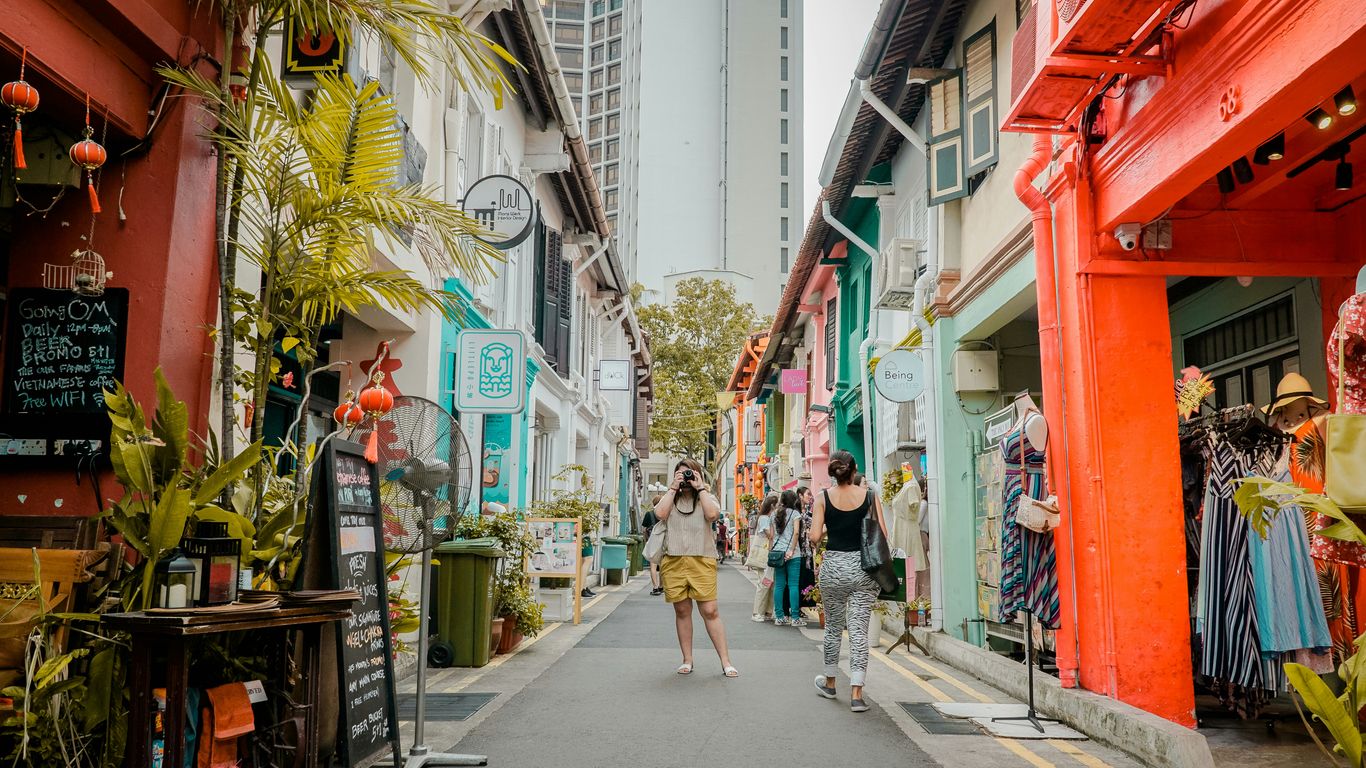
Kampong Gelam and the legacy of the Malay sultanate
Kampong Gelam’s history is tied to the Malay sultanate and to Singapore’s position within a maritime world. The district’s buildings and street patterns retain traces of political authority alongside later commercial life. Reading the area carefully reveals that a modern neighbourhood may carry several kinds of history at once, rather than a single preserved chapter.
The role of Malay communities in the city’s development
Malay communities were not simply observers of Singapore’s growth. They worked, traded, worshipped, raised families and adapted as land use and population changed. Their contributions belong within the main account of the city, not in a separate cultural footnote.
Why language, faith and migration matter to Singapore’s national story
Language and faith offer ways of belonging that cross administrative boundaries. Migration, meanwhile, brought people into contact with established communities and changed the sound, rituals and rhythms of neighbourhood life. A history walk through the Civic District can extend this perspective by placing official monuments beside everyday traces of the people who made the port work.
The Indian Heritage Centre: migration, work and community-building
The Indian Heritage Centre presents migration as a long and varied process rather than a single arrival. Its story includes merchants, professionals, labourers, religious leaders and families whose lives unfolded across generations. Little India provides an especially vivid setting because temples, shops, food businesses and homes still make community history visible. The Little India heritage guide is useful for connecting the museum’s context with the district outside.
The long history of Indian connections with Singapore
Indian connections with Singapore belong to the wider history of the Indian Ocean and Southeast Asian trade. People arrived for different reasons and from different regions, bringing distinct languages, faiths, skills and expectations. Over time, these connections became part of the island’s economic and social fabric rather than remaining an external influence.
From traders and professionals to everyday working communities
A well-rounded account must hold several kinds of work in view. Traders and professionals shaped commerce and institutions, while working communities built, served and maintained the city through less celebrated labour. Their routines—where they lived, ate, worshipped and found mutual support—often explain urban change better than a succession of grand buildings.
That broader human frame is also useful when considering practical cultural exchange today. Families looking for familiar food can find Saakshi’s Kitchen, which centres home-cooked Indian meals delivered to students and households; it is a contemporary service, not a museum exhibit, but it shows how food still carries care and belonging across distance.
How religious and cultural institutions helped shape neighbourhood life
Temples, associations, schools and other institutions offered more than places for ceremony. They created networks of advice, welfare, language learning and social connection. Their influence helped turn a settlement into a neighbourhood, giving migrants ways to build continuity while responding to the changing city.
Sun Yat Sen Nanyang Memorial Hall: politics, diaspora and the making of modern China
Sun Yat Sen Nanyang Memorial Hall introduces a political history that crossed the South China Sea. Singapore was part of the Nanyang, a region where overseas Chinese communities built businesses, associations and networks of news and ideas. The memorial hall therefore asks visitors to think about political commitment alongside questions of home and belonging. Its story is local in setting but international in consequence.
Why Singapore mattered to overseas Chinese political movements
A prosperous port with strong communications could connect activists, donors and readers across Southeast Asia and China. Political movements depended not only on famous leaders but also on ordinary networks of printing, fundraising, discussion and travel. Singapore’s position made it a significant meeting point within those wider movements.
The lives and networks of the Nanyang Chinese
“Nanyang Chinese” describes a broad and diverse population, not one uniform community. People differed in dialect, class, occupation and political outlook, even as associations and commercial ties connected them. Looking at those distinctions prevents the diaspora from becoming an abstract backdrop and restores the texture of individual choices.
What the museum shows about identity across borders
The memorial hall makes border-crossing identity easier to understand. A person might be rooted in a Singapore neighbourhood, connected to relatives in China and involved in a regional business network, all without seeing those loyalties as contradictory. The museum’s value lies in showing how modern identities were negotiated through correspondence, travel, memory and political hope.
Reflections at Bukit Chandu: war, occupation and public memory
Reflections at Bukit Chandu places wartime history in a landscape rather than leaving it solely inside a gallery. The site focuses attention on the Battle of Pasir Panjang, the Japanese Occupation and the lives affected by both military events and civilian hardship. It is a quieter kind of visit, asking for patience rather than spectacle. Among the city’s unusual museums and heritage places, it represents the importance of looking beyond familiar landmarks.
The Battle of Pasir Panjang and Singapore’s wartime experience
The battle is remembered through the actions of soldiers, but its meaning also belongs to the civilians who lived around the fighting. Landscapes can hold several memories at once: tactical decisions, fear, displacement and the uncertainty of families waiting for news. The site gives those events a physical setting, allowing visitors to connect military history with the ground beneath them.
How the Japanese Occupation changed civilian life
Occupation altered food supplies, work, schooling, movement and personal safety. Such changes were experienced unevenly, according to where people lived and the resources they could access. The most revealing accounts often begin with ordinary questions: what could be bought, which routes remained open, and how did neighbours help one another survive?
A concise way to approach the city’s wartime and post-war history is to keep four threads in view:
- military conflict and the defence of the island
- disruption to food, work, education and movement
- family memory, loss and survival
- the later choices involved in public remembrance
These threads keep the story grounded in lived experience rather than turning remembrance into a distant ceremony. They also explain why wartime sites remain connected to the wider social history of Singapore.
Why remembrance remains an important part of the city’s history
Remembrance gives a city a way to acknowledge suffering without allowing the past to become decorative. It can honour courage, recognise civilian experiences and make room for questions that do not have easy answers. A visit to Bukit Chandu is therefore not only about what happened in 1942; it is about how later generations choose to carry that knowledge.
Plan a Heritage Walk
After visiting museums, readers can book a tour to explore Singapore’s neighbourhoods with local storytellers and encounter the streets, foodways and everyday memories that museums help set in context.
Conclusion
Taken together, these history museums in Singapore reveal a city shaped by movement and memory: a port connected to Asia, a home built by many communities, and a nation still interpreting its past. Their galleries become more meaningful when visitors continue the conversation outside, noticing the shop signs, places of worship, meals and ordinary objects that keep history in use.
Frequently Asked Questions
Which museum is best for a broad introduction to Singapore’s history?
The National Museum of Singapore is the clearest starting point for a wide overview, taking visitors through major political, social and wartime turning points.
Which museum focuses most on Singapore’s Asian connections?
The Asian Civilisations Museum is particularly suited to this question because it places Singapore within wider networks linking China, South Asia, Southeast Asia and the Islamic world.
What can visitors learn at the Peranakan Museum?
Visitors can explore how migration and cultural exchange shaped Peranakan identity through clothing, food, religion, furniture and domestic life.
Where can visitors learn about Malay history in Singapore?
The Malay Heritage Centre in Kampong Gelam offers context on the Malay sultanate, the district’s development and the continuing importance of Malay community life.
What does the Indian Heritage Centre cover?
It explores Indian migration and settlement, varied forms of work, and the religious and cultural institutions that helped communities establish neighbourhood connections.
Why is Sun Yat Sen Nanyang Memorial Hall significant?
It shows how Singapore participated in overseas Chinese political networks and how people in the Nanyang negotiated identity across places and borders.
Why visit Reflections at Bukit Chandu?
The site provides a focused way to consider the Battle of Pasir Panjang, the Japanese Occupation, civilian experience and the continuing responsibilities of public memory.