Key Takeaways
Little India is best understood at walking pace, with its museum, temples, shops, kitchens and residents read as parts of one living neighbourhood.
- The Indian Heritage Centre offers a useful starting point for understanding Indian migration and settlement in Singapore.
- Serangoon Road and its side streets preserve memories of trade, craft, worship and family enterprise.
- Temples and food businesses remain active places of faith, gathering and cultural expression.
- Community stories add the everyday detail that formal landmarks cannot provide on their own.
- Respectful, unhurried visits help support the neighbourhood as a lived heritage district.
Start with the Indian Heritage Centre Singapore
The Indian Heritage Centre Singapore makes a thoughtful first stop before a walk through Little India. Its galleries place migration, settlement and community life within a wider South Asian story, giving visitors a frame for what they will later notice outdoors. From there, the streets become less a collection of colourful façades and more a connected record of work, belief and belonging.
How the galleries frame Indian migration and settlement
The galleries trace the history of Indian and South Asian communities in Southeast Asia, including the movement of people and ideas across the region. The permanent exhibition, Indians in Singapore: Past & Present, helps visitors consider how early arrivals built lives through commerce, labour, religion and social organisation. That context matters in Little India, where the past is still visible in ordinary shopfronts and daily routines.
The communities and regions represented in the collections
The collections present Indian heritage as diverse rather than singular. Regional identities, languages, faiths, clothing, adornment and domestic objects all point to the variety within Indian and South Asian communities. Visitors may find it useful to carry that sense of plurality into the streets, where different traditions sit close together without becoming interchangeable.
What to look for in photographs, objects and oral histories
Photographs can reveal people at work, in family groups or in changing urban settings, while objects give a more tactile sense of movement and memory. Oral histories add voices and small details that a timeline alone might miss. A visitor interested in how ordinary people shaped the city can also browse these everyday Singapore stories, which offer a wider lens on workers, families and community networks.
Planning a visit around exhibitions, programmes and nearby sites
The centre is at 5 Campbell Lane and is open from 10am to 6pm, closing on Mondays; Singapore citizens and permanent residents receive free admission. Checking current exhibition and programme information before setting out leaves more time for the surrounding temples and shophouses. Readers following different research threads may also find a Longmont SEO guide, a solar orientation guide, a pain relief guide, a Histamine intolerance guide and Singapore Street Noodles among the wider site material, though they sit outside this heritage itinerary.
Trace Little India’s historic trades and working life
Little India’s commercial character grew from work as much as from architecture. Cattle, spices, textiles, jewellery, food and religious goods each brought skills, suppliers and customers into the district. The result is a neighbourhood where a walk can move quickly from a polished retail frontage to a shop still organised around practical knowledge.
From cattle trade and spice businesses to modern retail
The area’s earlier cattle trade and spice businesses shaped its working identity, even as the original activities have changed or disappeared. Modern retail has not erased that history; it has layered new uses over old routes of supply, service and exchange. The most revealing details are often modest ones: sacks, scales, handwritten signs, or a counter arranged for repeat customers.
The role of Serangoon Road and its side streets
Serangoon Road is the district’s familiar spine, but its side streets often provide the quieter clues. Campbell Lane, Kerbau Road and the lanes around the temples show how worship, food, residence and commerce overlap. A slower route, rather than a straight march between landmarks, gives the neighbourhood’s working rhythm time to appear.
Traditional crafts, textiles, goldsmiths and religious goods
Textiles and gold jewellery speak to ceremony, family milestones and the continuing importance of skilled retail. Religious goods connect shops to active forms of worship, while tailoring and repair work reveal the knowledge involved in adapting things for particular people. The wider old trades archive is useful for thinking about such work as living practice, sustained through community use rather than age alone.
How family-run businesses preserve commercial memories
A family business may preserve memory through a recipe, a display case, a familiar supplier or the way a younger generation has updated the shop. These places are not museum sets: they are workplaces, and their owners decide what can be shared. A courteous question, a purchase and attention to the answer can be more meaningful than treating the premises as a backdrop.
Read the neighbourhood through its temples and sacred spaces
Little India’s temples are active religious places, not simply architectural stops. Their towers, courtyards, shrines and ritual objects carry histories of migration while continuing to serve worshippers today. Together with Buddhist and other sacred spaces nearby, they show how the neighbourhood’s identity has always been broader than one community or one tradition.
Sri Veeramakaliamman Temple and the heart of Serangoon Road
Sri Veeramakaliamman Temple stands prominently along Serangoon Road and is closely associated with the district’s Tamil Hindu presence. Its ornament and ritual life draw attention, but the deeper story lies in its continuing use by devotees and families. Visitors should watch quietly from appropriate areas and allow worshippers to set the pace of the space.
Sri Srinivasa Perumal Temple and Singapore’s Vaishnavite heritage
Sri Srinivasa Perumal Temple offers another perspective on Hindu practice in Little India, with its Vaishnavite traditions and distinctive visual language. It reminds visitors that Indian heritage includes different theological lineages and ceremonial forms. The temple is best approached with patience, especially during prayer times or festival preparations.
Sakya Muni Buddha Gaya Temple and Little India’s wider faith landscape
Sakya Muni Buddha Gaya Temple adds a Buddhist presence to the neighbourhood’s religious geography. Its large Buddha image and devotional atmosphere sit within the same urban fabric as the Hindu temples, shops and eateries. This proximity is one of Little India’s most telling features: different forms of faith share streets shaped by everyday movement.
Customs, festivals and respectful temple etiquette
Temple etiquette is simple but deserves care. Visitors can dress modestly, remove shoes where required, avoid blocking entrances and ask before photographing people or ceremonies. During festivals, crowds may change the usual flow, so the considerate visitor follows instructions rather than assuming that a striking ritual is available for observation.
Explore Little India through its food heritage
Food gives Little India an especially immediate way into history. A banana-leaf meal, a sweet bought for a festival or the scent of toasted spices can connect the visitor to regional traditions and migration routes. Eating here is not merely a pause between sights; it is one way the neighbourhood remembers itself.

Banana-leaf meals, South Indian staples and regional traditions
Banana-leaf meals and South Indian staples reflect culinary traditions that have travelled, adapted and settled in Singapore. Rice, vegetables, breads, lentils and spice blends may look familiar while differing from one kitchen to another. The unhurried format of the meal encourages attention to texture, sequence and the social ease of eating together.
North Indian, Muslim Indian and migrant food influences
Little India’s food heritage is not confined to one region. North Indian cooking, Muslim Indian traditions and later migrant influences sit alongside South Indian fare, creating a varied food map within a compact district. Menus, languages and cooking methods reveal connections that are sometimes easier to taste than to explain.
Spices, sweets and ingredients that tell a story
Spice shops and sweet counters make culinary history visible through colour, scent and arrangement. Ingredients may point towards home cooking, religious observance, hospitality or seasonal celebration. Taste is a form of listening here, provided the visitor remains curious about the people and labour behind what is being served.
How eateries, markets and hawker stalls carry culinary memory
Restaurants, markets and hawker stalls hold memory through repeated practice: a dish prepared in much the same way, a regular customer greeted by name, or a counter that has become part of someone’s weekly route. Singapore Heritage’s food heritage walks take this kind of story-led approach across the island, connecting food with the people and places around it. In Little India, the best meal is often the one that leaves a visitor more attentive to the street outside.
Listen to the community stories behind the streets
The strongest account of Little India includes the people who have lived, worked, studied and worshipped there. Official histories can establish dates and names, but memories supply the texture: where children waited, which shop stayed open late, or how a family made a room serve several purposes. These details keep heritage from becoming purely decorative.
Early migrants, families and changing ideas of home
Early migrants often built belonging through associations, places of worship, food and mutual support. For families, home could mean a rented room, a shop above a business or a network spread across several streets. Those changing arrangements help explain why Little India feels both rooted and mobile.
Women’s work, domestic life and informal community networks
Women’s work was central to domestic life, family businesses and informal networks of care, even when it was less visible in public accounts. Shopping, cooking, sewing, childcare and religious participation all helped maintain connections across households. Listening for these histories broadens the story beyond prominent men, institutions and shop signs.
Workers, students and newer generations in the neighbourhood
Workers, students and younger residents continue to reshape the meaning of the district. Some arrive temporarily, while others inherit businesses, memories or family obligations tied to the area. Their presence shows that living heritage is continually made, not simply carried forward unchanged.
Oral histories, street names and memories of everyday Little India
Street names can suggest old trades or communities, but personal recollections show how those places actually felt and functioned. Singapore Heritage’s community work includes oral histories, neighbourhood story calls and programmes that invite people to share photographs, recipes and shop memories. The community archive reflects that principle: heritage grows when residents are credited as knowledge holders.
Follow a heritage walk through Little India
A walk through Little India works best as a sequence of connected observations rather than a race to collect landmarks. Starting indoors at the Indian Heritage Centre gives the route historical depth, while Serangoon Road supplies the movement, colour and sound of present-day life. Singapore Heritage’s walking routes similarly centre local storytellers and the names behind shopfronts.
A practical route from the Indian Heritage Centre to Serangoon Road
A practical route can begin at the centre on Campbell Lane, continue towards the nearby temples, and then open onto Serangoon Road. From there, a visitor can turn into side streets before returning to the main road for food or further browsing. The route should remain flexible, since temple activity, shop hours and weather may alter the day’s rhythm.
Historic landmarks to notice between temples and shophouses
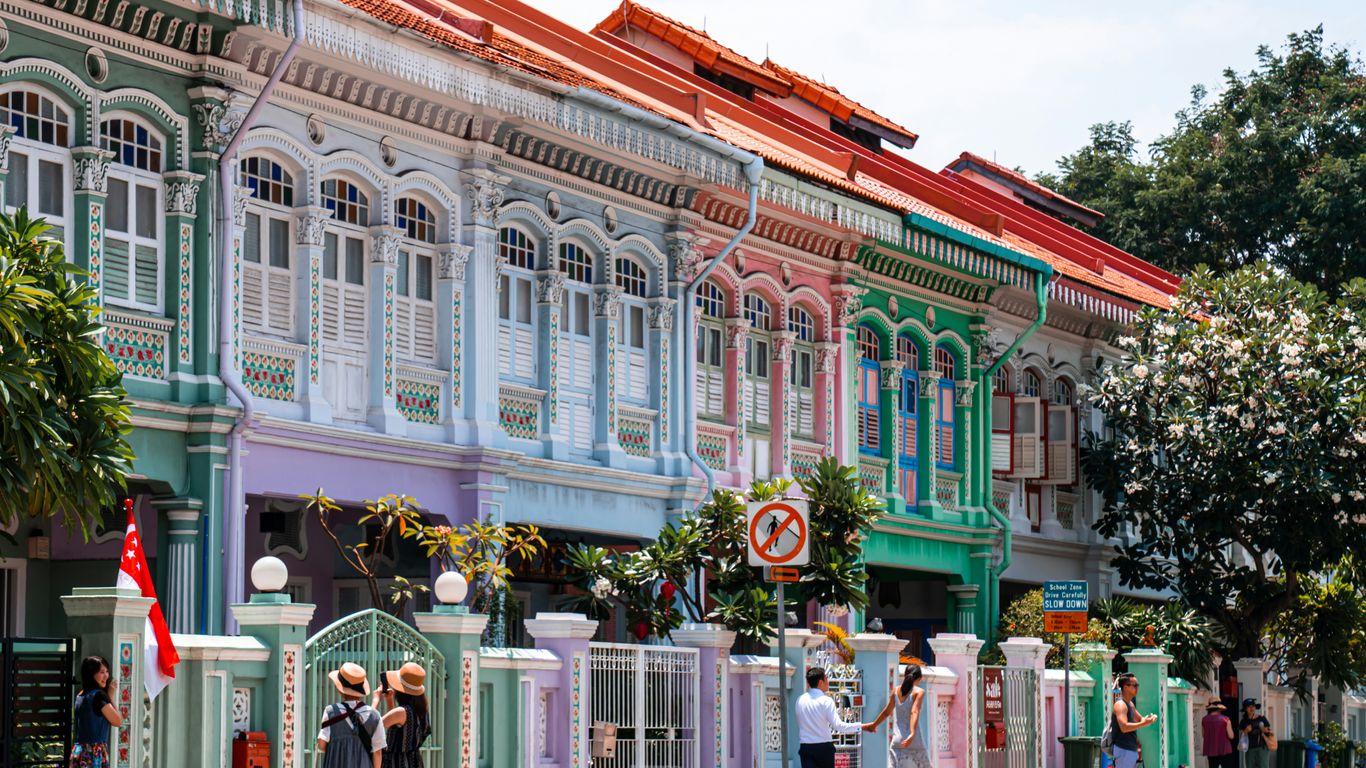
Between the major stops, attention can settle on shophouse proportions, tiled façades, sign lettering, covered walkways and the relationship between upper-floor homes and ground-floor businesses. These features are not isolated details; they show how commerce and domestic life shared a narrow urban footprint. Plaques help, but the continuity of use often tells the richer story.
Where to pause for food, photographs and local context
A pause is most useful when it allows the visitor to eat, observe and reflect without obstructing work or worship. Food streets, temple edges and quieter corners can each offer a different view of the district. A short rest also creates room for a conversation, which may reveal more than another hurried photograph.
Adapting the walk for heat, crowds and accessibility
Singapore’s heat and sudden rain make shade, water and sensible footwear part of the heritage plan. Visitors with mobility needs can choose shorter stretches, check step-free access in advance and use public transport links to break the route into manageable sections. For a broader approach to planning routes around weather, access and opening hours, this heritage walking guide offers useful general advice.
Understand how Little India’s heritage is changing
Change is visible in every living neighbourhood, and Little India is no exception. Conservation can protect façades and streetscapes, but heritage also depends on affordable space, active businesses, residents and the freedom to practise faith and culture. The question is not whether the district should change, but how its changing life is understood and respected.
Conservation of shophouses and the pressures of redevelopment
Conserved shophouses retain valuable architectural character, yet a façade alone cannot preserve the work and relationships once held inside it. Redevelopment pressures can affect rents, business continuity and the mix of residents. A meaningful approach therefore considers buildings together with the people and practices that give them purpose.
Festivals, tourism and the balance between living culture and display
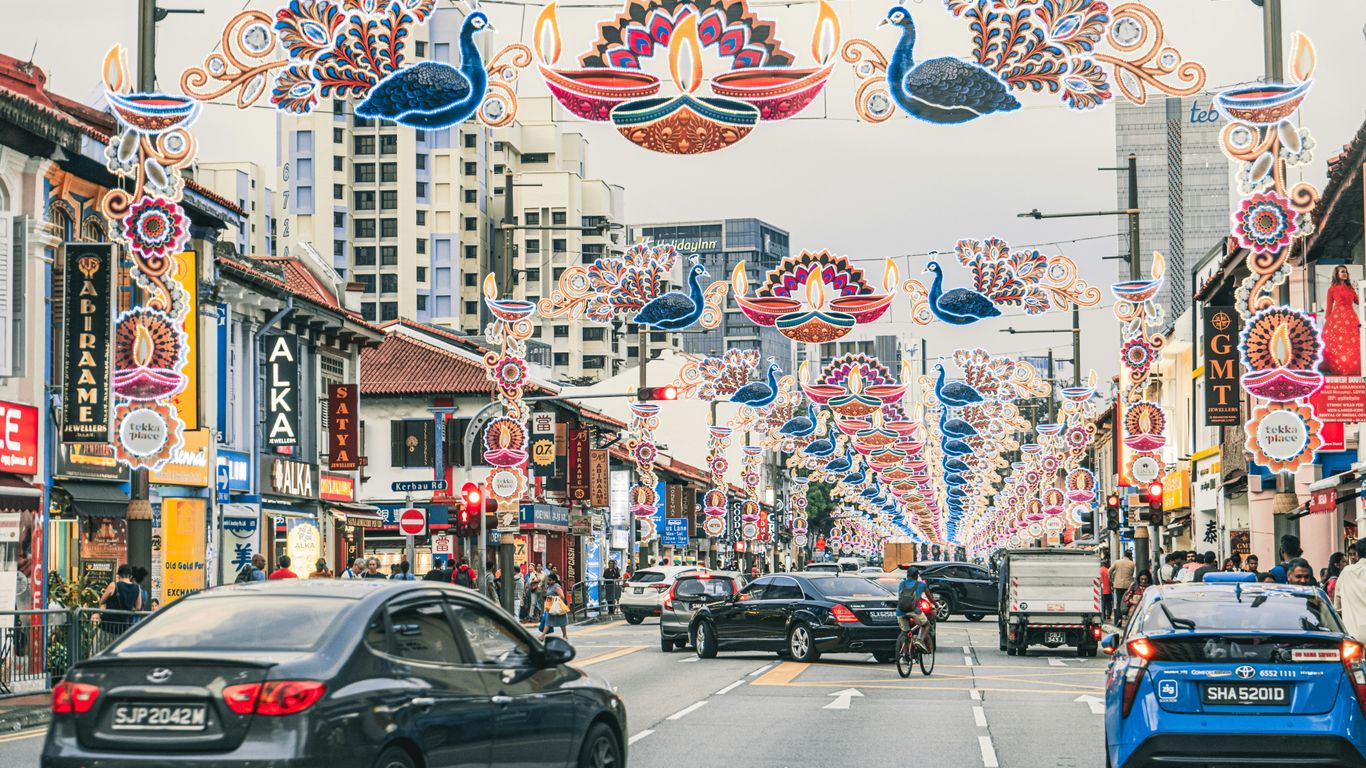
Festivals can bring attention and energy, while tourism can help businesses remain viable. At the same time, crowded rituals or staged-looking encounters can flatten a living culture into a performance for outsiders. Visitors can help maintain balance by following restrictions, avoiding intrusive photography and remembering that worshippers and workers are not attractions.
How businesses and residents shape the area’s future
Shopkeepers, tenants, religious institutions, community groups and residents all influence what remains possible. Their decisions may involve changing a menu, modernising a shop, teaching a craft or making space for a new generation. Singapore Heritage’s story-led approach treats heritage as lived rather than locked away, a useful reminder that continuity can include adaptation.
Ways visitors can support respectful, community-minded heritage tourism
Visitors can support the area through ordinary, considerate choices:
- Buy from local businesses when the purchase is welcome and practical.
- Follow temple rules and ask before recording people or ceremonies.
- Choose guides and stories that credit residents, makers and practitioners.
- Share observations without revealing private details or treating workplaces as exhibits.
These actions keep curiosity connected to responsibility. Readers who want a guided experience can book a local walk built around story and place, rather than simply moving between photo stops.
Plan a More Meaningful Visit
Little India rewards visitors who leave room for conversation, appetite and quiet observation. A small-group walk can help connect the museum, temples, businesses and memories without asking the neighbourhood to perform. Singapore Heritage creates heritage walks and storytelling experiences rooted in Singapore’s neighbourhoods, foodways, objects, places and everyday practices; its gifts are designed to help people carry those stories home.
Conclusion
Little India is a place where migration, work, worship, food and family memory remain close to the surface, and a thoughtful visit allows those layers to be felt without reducing them to a display.
Frequently Asked Questions
What is the Indian Heritage Centre Singapore?
It is a museum in Little India that traces the history of Indian and South Asian communities in Southeast Asia, including the permanent exhibition Indians in Singapore: Past & Present.
How long should visitors spend in Little India?
Around half a day allows time for the heritage centre, one or two temples, a meal and a slower look at the surrounding streets. A full day suits visitors who want to browse shops and spend longer with exhibitions or food.
Which temples can visitors see in Little India?
Notable places include Sri Veeramakaliamman Temple, Sri Srinivasa Perumal Temple and Sakya Muni Buddha Gaya Temple. Each represents a different part of the neighbourhood’s religious landscape.
Is Little India suitable for a self-guided walk?
Yes. The district is compact and walkable, though visitors should check opening hours, plan for heat and allow flexibility around worship and festivals.
What food is Little India known for?
Visitors can find South Indian staples, banana-leaf meals, North Indian cooking, Muslim Indian dishes, sweets and a wide range of spices and ingredients.
How should visitors behave in temples?
They should dress modestly, remove shoes where required, follow signs, avoid blocking entrances and ask before taking photographs. Ritual spaces should be treated as active places of worship.
How can visitors support Little India’s heritage?
They can buy thoughtfully from local businesses, choose respectful guides, listen to community voices and avoid intrusive photography or behaviour that disrupts work and worship.