Key Takeaways
Tanjong Pagar Railway Station is remembered not only as a handsome building, but as a place where Singapore’s connections with the Malay Peninsula became part of ordinary life.
- The station opened in 1932 as the southern terminus of the Federated Malay States Railways.
- Its Art Deco design carries symbols of agriculture, commerce, transport and industry.
- Trains connected Singapore with Kuala Lumpur and destinations farther north.
- The 2011 closure ended a distinctive cross-border railway arrangement.
- The conserved station remains a powerful place for remembering movement, work and farewell.
The beginnings of Tanjong Pagar Railway Station
The story of Tanjong Pagar Railway Station begins with a practical need: Singapore’s port was expanding, and the island needed a dependable land connection to the Malay Peninsula. The railway brought people and goods into the city while tying the southern harbour to towns and plantations farther north. Its terminus was therefore more than a transport facility. It was a statement about Singapore’s place within a wider regional system.
Why Singapore needed a railway terminus
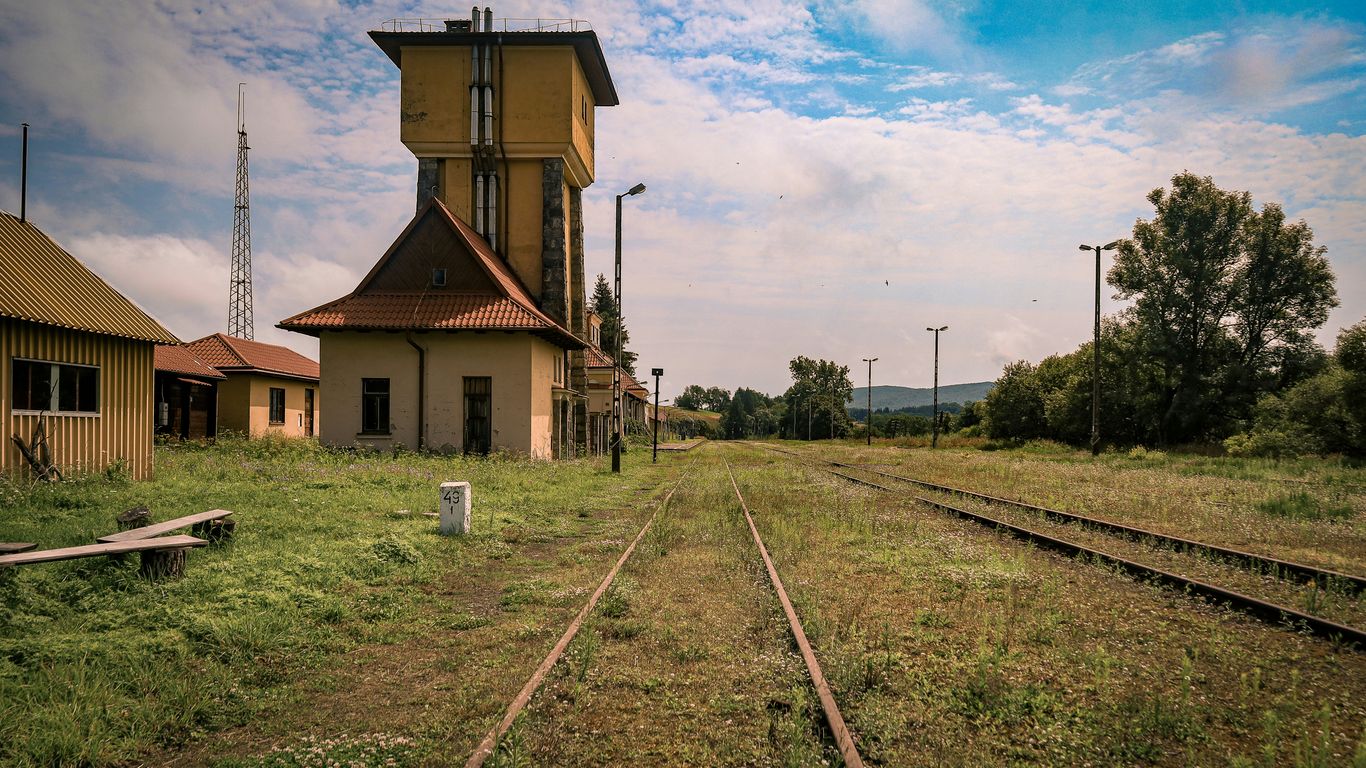
By the early twentieth century, Singapore was a major port, but ships alone could not move every person or cargo inland. A railway route offered a quicker overland link to the peninsula, connecting the harbour economy with agricultural districts, tin-mining centres and growing towns. A proper terminus at the southern end of the island gave that network a visible civic address.
The location near Keppel Road and the docks also made logistical sense. Goods could be transferred between ships, warehouses and trains without crossing the whole city. For passengers, the terminus marked the beginning or end of a long journey north.
The station’s opening in 1932
Tanjong Pagar Railway Station opened in 1932, after several years of construction on reclaimed land. Its arrival gave Singapore a substantial railway gateway, with a monumental façade that stood apart from the more utilitarian buildings around the port. The building was designed to be seen, entered and remembered.
The opening belonged to the final period of British colonial rule, when infrastructure was often presented as evidence of administrative reach and economic progress. Yet the station’s history would soon become larger than that official story, shaped by the passengers, railway workers and families who passed through it.
The role of the Federated Malay States Railways
The initials FMSR on the façade refer to the Federated Malay States Railways, the railway authority associated with the network that served the peninsula and Singapore. Tanjong Pagar was built as the southern terminus of that system, making the building a physical expression of a railway geography that crossed political and administrative boundaries.
The railway was not simply a line between two points. It was a network of stations, sidings, workshops, port facilities and working routines. The grand terminal at Keppel Road represented the public face of that much larger operation.
Tanjong Pagar’s place in Singapore’s growing port district
The station belonged to a busy working district where dock labour, shipping, warehouses and transport overlapped. Its proximity to the harbour meant that the movement seen there was not limited to travellers with suitcases. Crates, mail, luggage and commercial goods all formed part of the railway’s daily rhythm.
That relationship between infrastructure and neighbourhood remains central to understanding the building. A history of Singapore’s changing infrastructure helps place the terminus within the island’s longer transformation from trading settlement to modern city. Tanjong Pagar was both a destination and a working hinge between land and sea.
Reading the station’s architecture and symbolism
The building’s architecture is unusually expressive for a railway terminus. Its broad front, strong horizontal lines and carefully placed sculpture give it the air of a civic monument, while the platforms and operational spaces behind it served very practical needs. A visitor can read the station as both a public image and a workplace.
The details reward slow attention. Reliefs, murals, lettering and stonework tell a story about the values that the railway wished to project, even as the lived experience inside the station was more varied and human than the official symbols suggest.

The grand façade and its civic ambitions
The façade uses the language of Art Deco: symmetry, geometric emphasis and a sense of controlled movement. The large FMSR initials sit high above the entrance, making the railway authority unmistakable to anyone approaching from Keppel Road. The scale gives the station a ceremonial quality, as though every departure belonged to a larger public undertaking.
That grandeur was not accidental. A terminus was an arrival point for visitors and an outward-facing symbol of order, connection and modern transport. Its architecture announced that the railway was central to the economic life of the port.
The murals depicting Malaya’s landscapes and industries
Inside, murals depict the landscapes and industries associated with Malaya, including agriculture, mining and other forms of production. They turn a passenger hall into a visual map of the territory served by the railway. The images suggest that the line carried not only passengers but also the resources and labour that sustained the region.
The four marble reliefs beneath the initials are commonly read as allegories of Agriculture, Commerce, Transport and Industry. Together, they make the station’s message plain: the railway was being presented as a force connecting production, trade and movement.
A compact way to read those symbols is to place them beside the station’s daily functions:
- Agriculture points towards the goods and landscapes of the peninsula.
- Commerce reflects the port, markets and exchange that sustained Singapore.
- Transport names the railway’s role in joining separate places.
- Industry evokes the machinery, labour and resources behind the journey.
The list is neat, but the history was not. Behind these polished images were workers, unequal colonial structures and communities whose lives were affected by the railway in ways the murals could not show.
The station hall, platforms and passenger experience
The station hall was the threshold between city and journey. Passengers bought tickets, waited with their luggage, met arriving relatives and navigated the formalities of travel before moving towards the platforms. The platforms themselves belonged to a different register: more open, noisy and closely tied to the practical business of trains.
Photographs of the station often draw attention to its arches and decorative surfaces, but the passenger experience depended just as much on sound and timing. A whistle, a porter’s movement or the arrival of a train could change the atmosphere in seconds.
How the building reflected its colonial-era context
Tanjong Pagar Railway Station reflects a colonial era in which infrastructure, trade and authority were closely bound together. Its symbols celebrate the productive wealth of Malaya and the efficiency of the railway, while leaving much of the social cost and human inequality outside the frame. Reading the building today requires holding those two truths together.
The station is therefore best understood neither as a simple relic of empire nor as a neutral piece of transport architecture. Its beauty is real, and so is the complicated history embedded in the reasons it was built.
Tanjong Pagar railway station history through everyday journeys
The most affecting account of the station is often found at human scale. People came to work, trade, visit relatives, study, migrate or begin a holiday. They waited beneath the high roof, checked their tickets and watched the platform with the particular patience that long-distance travel demands.
This everyday dimension is why the tanjong pagar railway station history continues to resonate. The building carried regional connections, but those connections were experienced through small acts: a packed bag, a hurried goodbye, a parcel handed across a barrier.

Commuters, traders and long-distance travellers
The station served different kinds of travellers at once. Some journeys were routine, made by people whose work or family life crossed the border. Others were commercial, with traders and port workers moving alongside passengers travelling for less predictable reasons.
The terminus also gave long-distance travel a distinctive shape. A trip to Kuala Lumpur or farther north was not an abstract line on a map; it was a sequence of stations, meals, conversations and changing views from the carriage window.
Train journeys between Singapore and the Malay Peninsula
For much of its working life, the station offered a direct rail connection between Singapore and the Malay Peninsula. Trains carried passengers through a landscape that shifted from the dense southern city to rural settlements, plantations and larger urban centres. The journey made the peninsula feel connected by experience, not merely by geography.
The railway also gave families a reliable way to maintain relationships across the border. A station can be remembered as a monument, but it was first a place where people set off to see someone, deliver something or return home.
Departures, arrivals and the rituals of farewell
Departures created their own rituals. Relatives lingered until the last possible moment, while passengers checked their belongings and found their seats. Arrivals brought a different kind of anticipation: faces searched the platform, and a familiar figure emerged from the flow of travellers.
Those gestures were ordinary, which is precisely why they matter. They placed emotion inside an institutional building and made the station part of countless private histories. The stories of Singapore’s heritage approach offers a useful reminder that places are sustained by objects, routes and memories as much as by official dates.
Stories preserved in photographs and personal memories
Photographs preserve the shape of the building, but personal memories often preserve its atmosphere. Former passengers recall waiting, eating, carrying children and navigating customs; railway workers remember timetables, uniforms and the disciplined movement of trains. Each account adds texture that architecture alone cannot provide.
A photograph can show who stood in front of the façade on one afternoon. Memory may explain why that afternoon was never forgotten. Together, they turn the station from a static landmark into a living archive of movement.
The railway connection between Singapore and Malaysia
Tanjong Pagar’s history cannot be separated from the political relationship between Singapore and Malaysia. The station was part of a railway system managed from across the border, and its land arrangements remained unusual even after Singapore became independent. That made the terminus both useful infrastructure and a reminder of unfinished historical agreements.
The cross-border connection continued because it served practical needs. At the same time, customs, land ownership and sovereignty created complications that were rarely visible to a passenger simply trying to catch a train.
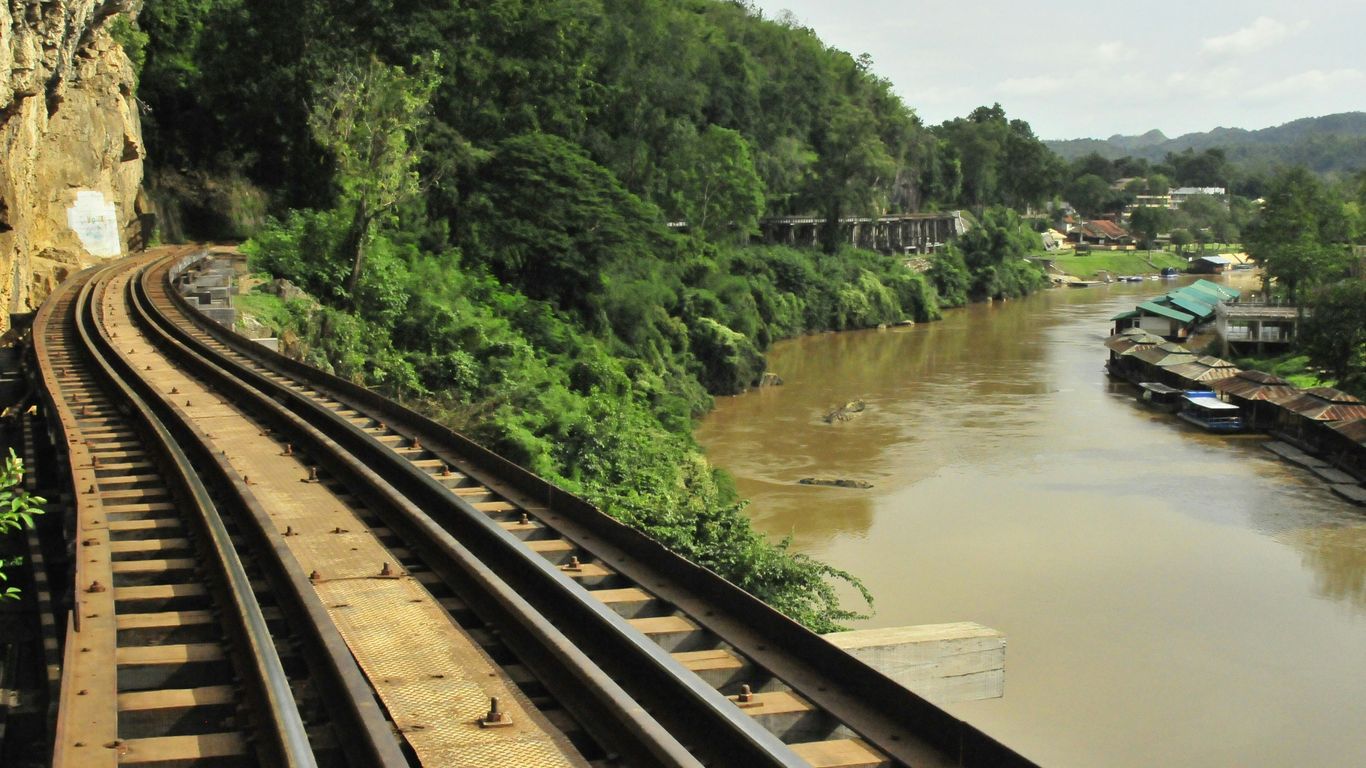
How the line linked Singapore with Kuala Lumpur and beyond
The railway connected Singapore with Kuala Lumpur and other destinations across the peninsula. For passengers, the route offered a continuous journey north; for commerce, it joined Singapore’s port with inland markets and production areas. The line helped make the border a point of passage rather than an absolute interruption.
The station’s importance can be felt in the way it gathered several scales of travel together. A person could arrive from a nearby street, board a train bound for Kuala Lumpur and become part of a regional network within minutes.
The railway’s importance after independence
After Singapore’s independence in 1965, the railway remained significant despite the new national boundary. Trains continued to carry passengers and goods, and the station retained its role as a southern terminus. Its continued operation showed how older infrastructure could outlast the political arrangements that created it.
It also meant that the station carried a particular historical tension. Singapore was an independent country, yet a major railway connection still operated through an arrangement linked to Malaysia. Everyday travel made that relationship tangible.
Why the station remained connected to Malaysia’s rail network
The station remained connected because the railway network itself crossed the border and because the established route was valuable to passengers and trade. The operational logic was straightforward even when the legal and political context was not. Trains, tracks and timetables do not change as quickly as national boundaries.
For travellers, the arrangement became part of the station’s identity. Tanjong Pagar was a Singapore landmark that also functioned as the southern gateway of a Malaysian railway system. That dual character made it unlike almost any other station in the city.
The political and practical complications of shared railway land
The railway land created one of the most unusual parts of the station’s history. Malaysia’s railway authority retained rights connected with the land and tracks in Singapore, producing a complicated relationship between ownership, sovereignty and daily operation. Customs procedures added another layer, as passengers passed through formal border controls at the terminus.
The arrangement was workable, but never simple. A heritage account of the station’s cross-border role explains why the building became such a revealing place to observe the relationship between the two countries. Its tracks were practical, yet they also carried the weight of history.
The final departure and the end of an era
The closure of Tanjong Pagar Railway Station in 2011 was not just the removal of a transport service. It ended a familiar route and altered the meaning of the building, which moved from daily use into the realm of heritage. For former passengers and railway workers, the change was felt through the loss of routines as much as through the disappearance of trains.
The final years were watched with particular tenderness. People returned to photograph the façade, walk the platforms and remember journeys that had once seemed unremarkable.
The 2011 agreement that changed the railway route
An agreement reached in 2010 between Singapore and Malaysia changed the future of the railway route. The arrangement led to the end of train services to Tanjong Pagar and the relocation of the Singapore terminus to Woodlands. The decision resolved long-standing issues around the railway land while bringing the historic route through the city to a close.
The change was practical and political at once. It reflected the need to manage land and transport differently, but it also closed a chapter in the shared history of Singapore and Malaysia.
The last train from Tanjong Pagar
The last train departed from Tanjong Pagar on 30 June 2011, with the station ceasing operations at the end of that day. The departure drew former passengers, railway enthusiasts, photographers and people who simply wanted to be present. A working terminus became, almost overnight, a place of recollection.
The final journey was significant because it was both public and deeply personal. Some people were saying goodbye to a railway line; others were saying goodbye to a building that had formed part of family life.
What the closure meant to former passengers and railway workers
For former passengers, closure meant losing a familiar starting point and the particular atmosphere of rail travel from Keppel Road. For workers, it meant the end of routines built around trains, platforms, signals and schedules. The station’s emotional force came from this overlap between a large institutional change and the disruption of many smaller lives.
The memories surrounding the station’s final days show why heritage cannot be reduced to architectural survival. A preserved building can remain standing while the patterns of work and movement that gave it meaning have gone.
From functioning terminus to heritage landmark
Once trains stopped running, the station entered a new phase. Its façade and interior could be considered as protected heritage, while the wider site was drawn into plans for changing transport and redevelopment. The building no longer organised journeys, but it continued to organise memories of them.
That shift is common in cities, though rarely painless. A station becomes a landmark when its practical purpose ends, yet its strongest meanings often come from the years when it was busy and imperfectly ordinary.
Preserving Tanjong Pagar Railway Station today
Tanjong Pagar Railway Station remains valuable because it holds several histories in one place: colonial infrastructure, regional transport, cross-border politics, port work and family memory. Conservation protects the physical evidence, but interpretation must also keep the human stories visible. The station’s future depends on both.
It sits within a wider conversation about how Singapore changes without losing its ability to remember. The question is not whether a historic building should remain frozen, but how new uses can respect the reasons people care about it.
The station’s conservation and protected features
The station was gazetted as a national monument in 2011, shortly before its railway operations ended. Its Art Deco façade, murals, reliefs, lettering and principal interior spaces are among the features that give the building its distinctive identity. Conservation allows these details to remain legible rather than treating them as decorative background.
The station is best approached slowly. Stone, painted surfaces and carved allegories reveal different layers of the building’s purpose, while the empty platforms suggest the scale of the journeys that once began there.
Balancing heritage with redevelopment
Redevelopment around a conserved building creates a careful balance. New public uses can bring life back to a site, but they should not overwhelm the building’s proportions or erase its relationship with the railway corridor. The most convincing adaptation allows visitors to sense both the old function and the new one.
A heritage walking guide to Singapore offers a broader way to think about this balance: buildings, streets and everyday activity are connected, and a monument makes more sense when read within its surrounding routes. Tanjong Pagar’s future should retain that sense of connection.
What remains of the wider railway corridor
The station was only one part of the former railway route. Tracks, bridges, cuttings and alignments extended northwards, leaving traces that have become meaningful in their own right. The Rail Corridor allows parts of that larger infrastructure story to be encountered as landscape rather than as a functioning railway.
What remains is necessarily incomplete. Some sections have changed, while others retain a stronger physical impression of the former line. Together, they help explain that the station once belonged to a much longer journey.
Why the station still matters to Singapore’s memory of movement
The station matters because movement is part of Singapore’s history. Ports, ferries, buses, roads and railways have shaped where people worked, lived and met one another. Tanjong Pagar gathers those themes into a single building, giving them a human scale through the memory of departure and return.
That is also why Singapore Heritage’s story-led walks and researched gifts focus on places, objects and everyday practices rather than monuments alone. A visit can begin with the station’s architecture and continue through the Rail Corridor heritage routes, where the old connection is understood as part of a living city. The station’s lasting lesson is simple: infrastructure becomes heritage when people remember what it allowed them to do.
Conclusion
Tanjong Pagar Railway Station was built to move people and goods, but its deepest legacy lies in the relationships formed around those journeys. The trains have gone, the route has changed and the port district continues to evolve, yet the station still gives Singapore a place to consider connection, separation and return. Those who want to encounter such histories through local stories can book a heritage walk and continue the conversation beyond the monument.
Frequently Asked Questions
When did Tanjong Pagar Railway Station open?
Tanjong Pagar Railway Station opened in 1932 as the southern terminus of the Federated Malay States Railways.
Where was Tanjong Pagar Railway Station located?
The former station stood on Keppel Road, close to Singapore’s historic port and docklands.
What destinations did trains from the station serve?
The railway connected Singapore with Kuala Lumpur and other destinations across the Malay Peninsula, including places farther north.
Why was the station important to Singapore?
It linked the port city with the peninsula’s people, goods and industries, making regional travel and trade more direct.
What do the FMSR initials mean?
FMSR stands for Federated Malay States Railways, the railway authority associated with the network that served the peninsula and Singapore.
When did the last train leave Tanjong Pagar?
The last train departed on 30 June 2011, after which railway operations moved to Woodlands.
Can the station still be visited?
The conserved building is used for heritage-related access and events at selected times, subject to current arrangements and permissions.