Key Takeaways
Singapore’s smaller heritage museums offer close, place-based encounters with the island’s many communities. They are best approached slowly, with time set aside for the streets, food and buildings around them.
- Chinatown Heritage Centre recreates everyday life in 1950s shophouses.
- Indian Heritage Centre traces the histories of Indian communities in Singapore.
- Malay Heritage Centre explores Kampong Gelam’s royal and regional past.
- Sun Yat Sen Nanyang Memorial Hall brings Balestier’s political history into view.
- Opening hours, bookings and neighbourhood pairings can shape the whole visit.
What makes a heritage museum in Singapore worth visiting
A worthwhile heritage museum does more than arrange old objects behind glass. It gives visitors a way to understand how people worked, worshipped, travelled, cooked and made homes in a changing city. For anyone searching for a heritage museum singapore experience, the most rewarding places often feel connected to the streets outside.
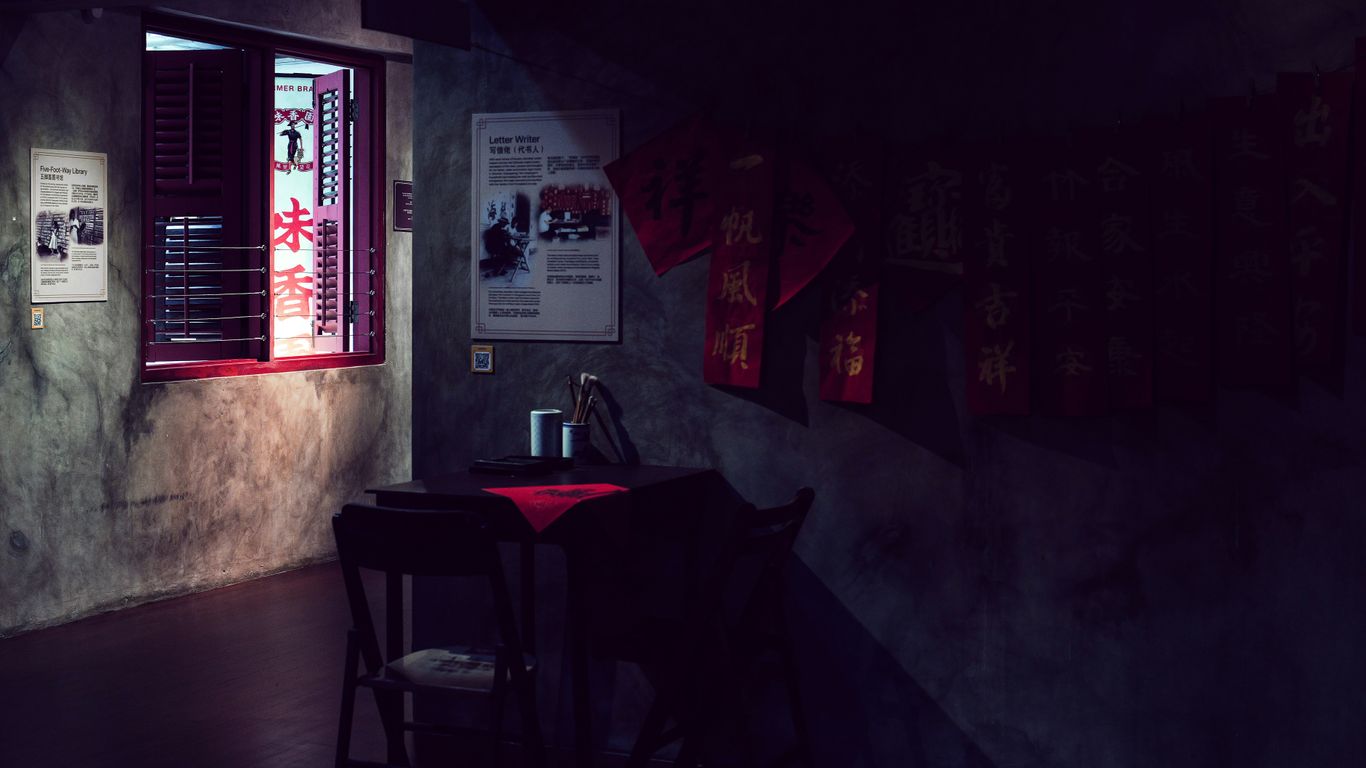
Look beyond the major national institutions
Singapore’s large museums provide broad national narratives, but smaller institutions can stay with one community or district for longer. Their scale allows details to come forward: a domestic arrangement, a remembered trade, a language shared between generations. A visit can therefore feel less like covering a syllabus and more like listening to one carefully held part of the city’s story.
That narrower focus is not a limitation. It offers room for texture, especially when the displays are read alongside the neighbourhood itself. Singapore Heritage’s storytelling experiences take a similarly local approach, bringing attention to the people and everyday practices that sit behind familiar streets.
Choose museums rooted in neighbourhood history
A museum becomes more legible when its surroundings are treated as part of the exhibition. Shophouses, temples, food stalls, old signs and residential blocks can reveal how a district continues to change. The neighbourhood heritage stories collected around Singapore offer useful inspiration for looking beyond formal labels and noticing those small continuities.
This is why a museum visit benefits from an unhurried beginning. A visitor might first observe the street frontage, then consider what the galleries say about migration, faith or work, and finally return outside with sharper questions. The building is a doorway, not the entire story.
Balance permanent displays with changing access arrangements
Small museums often have different rhythms from major institutions. Some rely on scheduled entry, guided visits or advance reservations; others may close temporarily while exhibitions or buildings are being renewed. Checking the official visitor information shortly before setting out prevents an otherwise thoughtful day from becoming a locked-door tour.
It also helps to leave room for uncertainty. A temporary closure can become a reason to explore the surrounding district, while a timed booking can give the day a useful shape. The best plans remain flexible enough to follow a street, meal or conversation that was not on the original itinerary.
Chinatown Heritage Centre: Everyday life in the former enclave
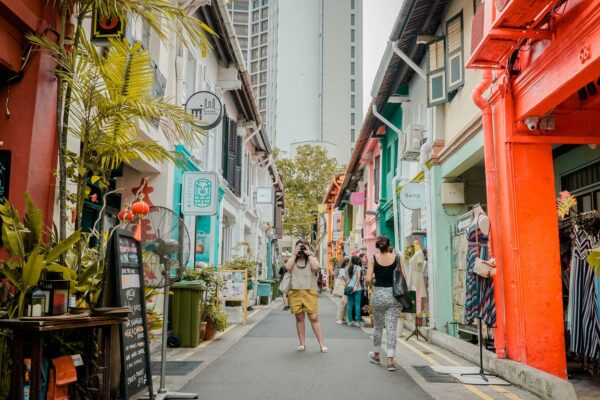
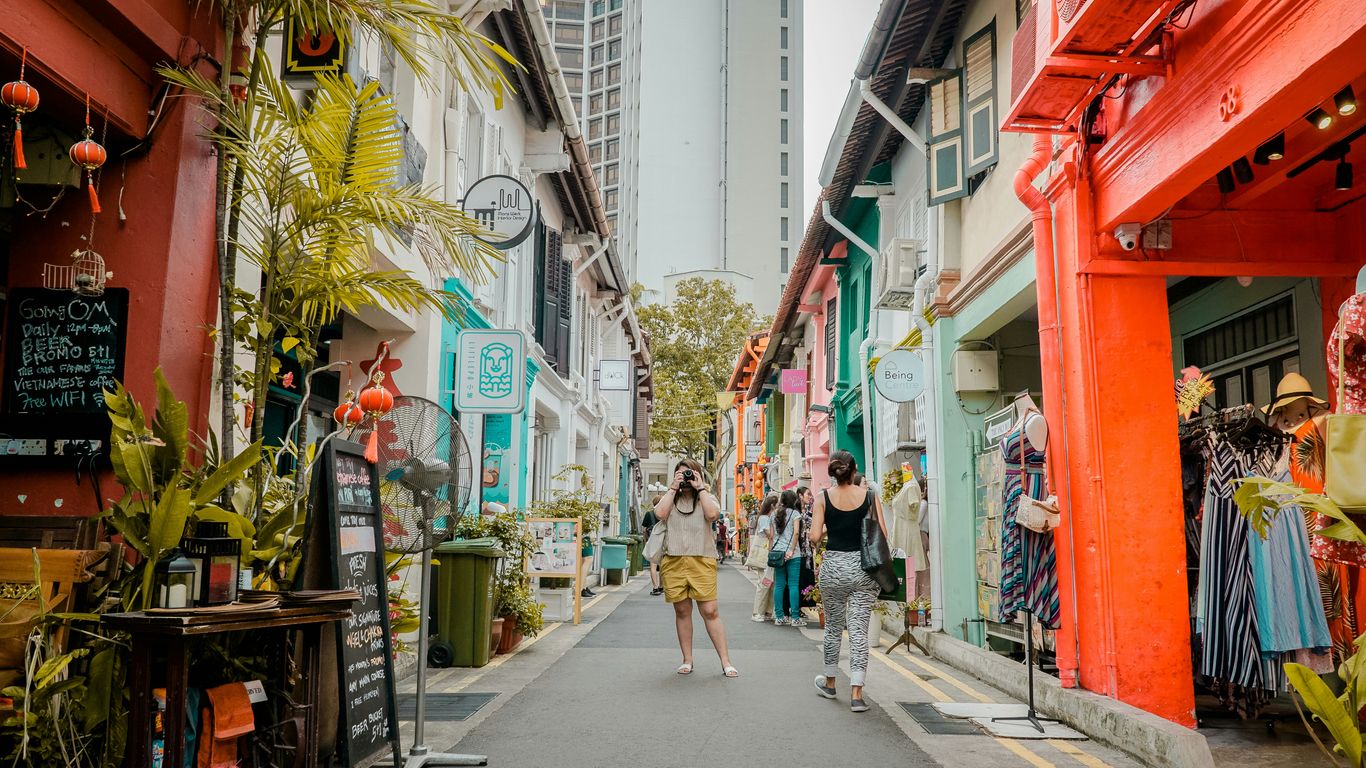
The Chinatown Heritage Centre is suited to visitors who want history at the scale of rooms and routines. Its recreated interiors and immersive displays place early migrant experiences within the physical world of the shophouse. The surrounding streets add another layer, where religious buildings, shops and food traditions still meet in a compact part of central Singapore.
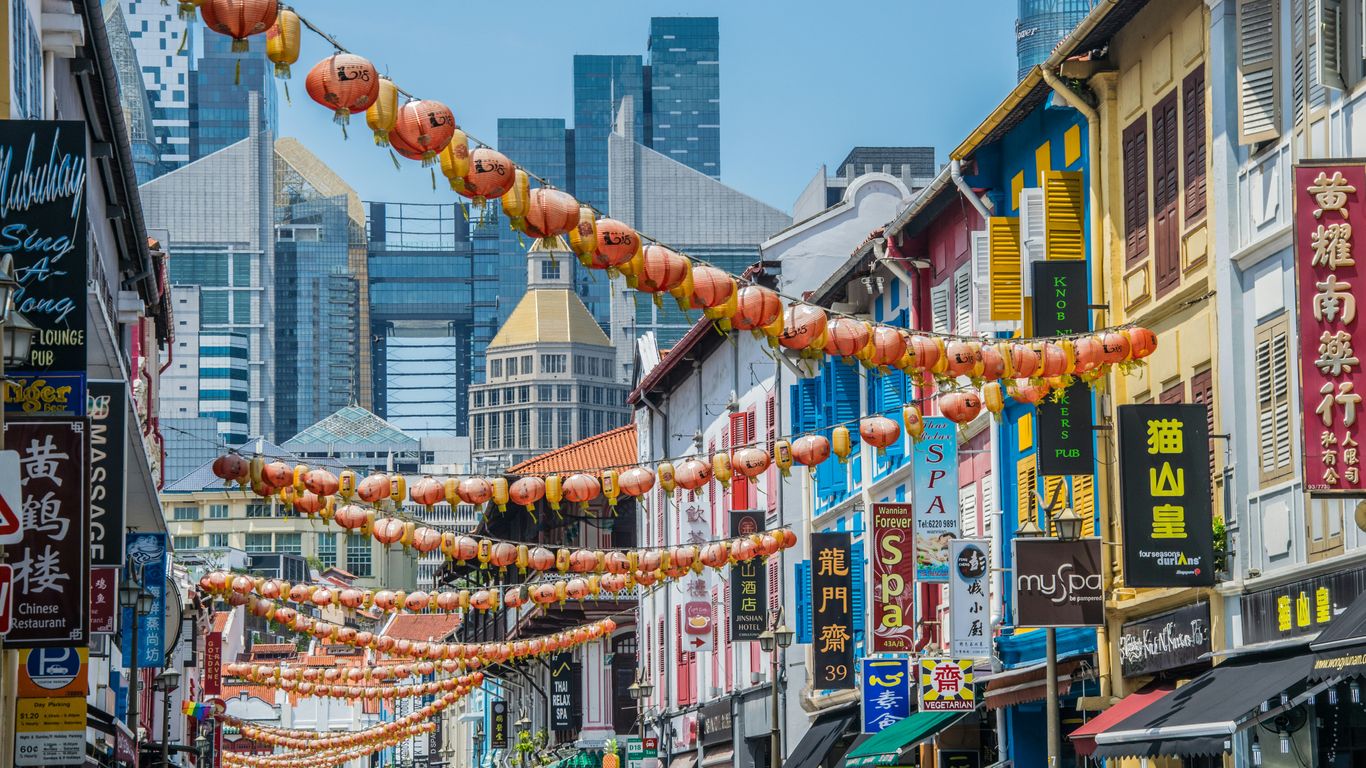
Reconstructing shophouse living and migrant journeys
The centre’s recreated 1950s shophouse interiors help visitors imagine how several functions could occupy one narrow building. Work, cooking, sleeping and social life were not neatly separated, and the arrangement conveys the pressures as well as the resourcefulness of urban life. Rather than presenting migration as an abstract movement on a map, the museum brings it into rooms shaped by labour and necessity.
The Chinatown Heritage Centre is especially effective when visitors take time with these domestic details. A bed, work area or kitchen corner can suggest relationships and routines that a date or political milestone cannot show on its own. The result is a more intimate account of how Chinatown was made.
Reading Chinatown through work, faith and community
Chinatown’s history is not one story belonging to one occupation or belief. Traders, labourers, artisans, religious groups and families all contributed to the district’s character, while the wider port connected their lives to places beyond Singapore. The museum’s value lies partly in holding these strands together without making the neighbourhood seem frozen in one period.
Visitors can carry that approach outdoors by looking for the practical traces of community: the relationship between a temple and its surrounding businesses, the scale of a shophouse frontage, or the sounds and smells of a working street. Everyday details carry history when they are read with care.
Pairing the museum with nearby historic streets
A short walk before or after the centre can turn a gallery visit into a fuller reading of Chinatown. The route need not be long. A few streets, a place of worship and a meal can be enough to connect the museum’s reconstructed interiors with a living district.
Singapore Heritage’s small-group heritage walks are one way to extend that connection, particularly for visitors who prefer local stories to a hurried list of landmarks. A self-guided route works too; the useful habit is to pause and ask how the visible street grew from the lives described indoors.
Indian Heritage Centre: Tracing Singapore’s Indian communities
The Indian Heritage Centre offers a focused way to explore the varied histories of Indian and South Asian communities in Singapore. Its galleries connect earlier migration and settlement with identities that remain active today. Set in Little India, it also makes sense as the starting point for a wider walk through shops, temples, food businesses and streets shaped by different regional traditions.
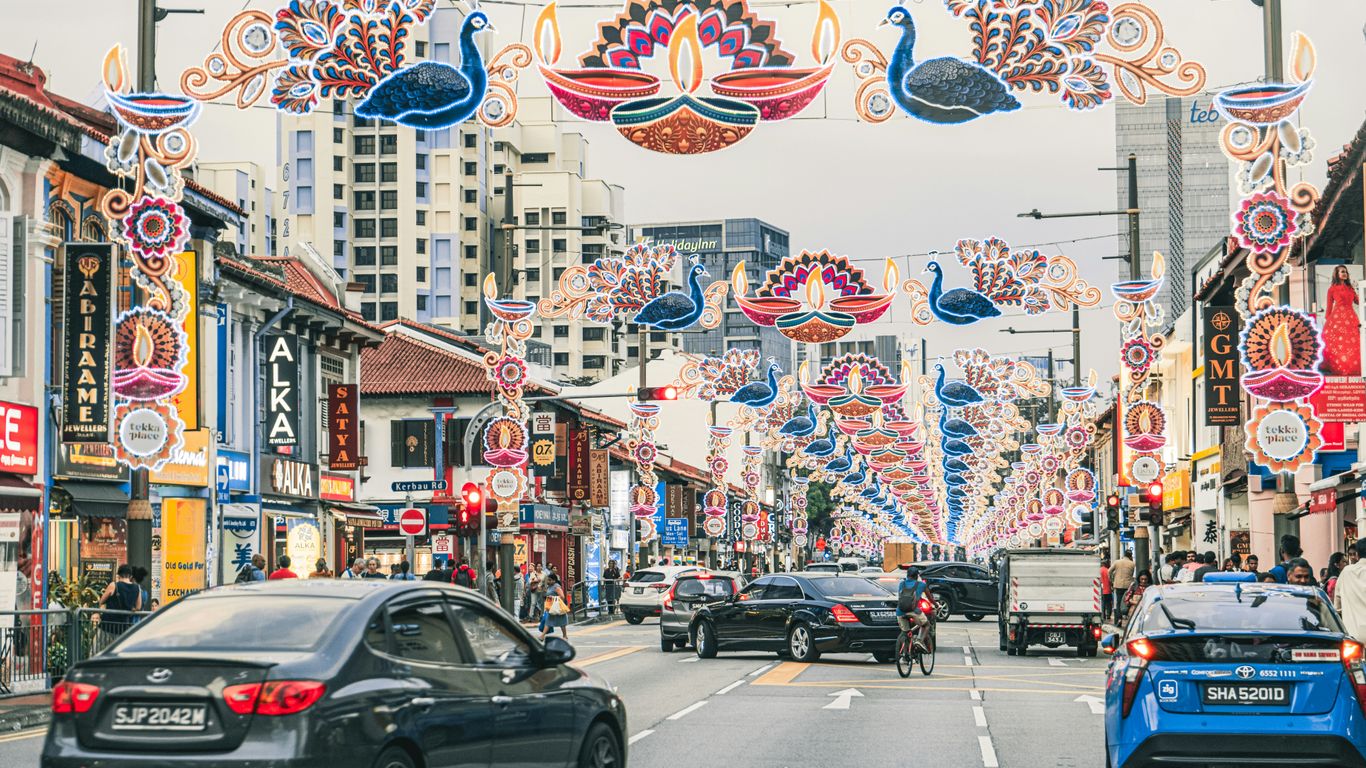
Connecting early migration with modern Singapore
Migration is best understood here as an ongoing process rather than a finished chapter. People arrived for different reasons, formed institutions and businesses, and helped shape the social and economic life of the island. Their descendants and newer arrivals continue to add to the district’s character.
The permanent exhibition, “Indians in Singapore: Past & Present”, provides a framework for that long view. The Indian Heritage Centre is most rewarding when visitors allow the story to move between historical change and present-day belonging, rather than treating the past as something sealed away.
Exploring religion, language, trade and cultural identity
Indian communities in Singapore have never been culturally uniform. Different languages, faiths, regions and occupations have influenced the institutions and customs found here. Objects, photographs and oral histories can make those distinctions visible while also showing the connections created through work, worship, family and commerce.
A thoughtful visitor will resist the temptation to reduce Little India to colour or spectacle. The district is also a place of devotion, skilled trade and ordinary errands. Its heritage becomes clearer when visitors notice how a temple, provision shop, restaurant and residential lane function alongside one another.
Planning a visit around Kampong Gelam and Little India
Little India works well as a half-day destination because the museum sits within a dense, walkable heritage area. A visitor might begin with the galleries, continue to a temple or market street, and finish with a meal chosen for its connection to the neighbourhood. Respectful clothing and quiet observation matter around active places of worship.
A separate Little India heritage guide can help visitors think about migration, food and religious life as connected subjects rather than separate stops. It is also worth allowing time for pauses; a shopfront sign or spice display may say as much about continuity as a formal exhibit.
Malay Heritage Centre: Understanding Kampong Gelam’s royal past
Kampong Gelam’s history includes royal residence, regional connections, religious life and the gradual reshaping of a central urban district. The Malay Heritage Centre provides an anchor for understanding those layers. Its setting is as significant as its displays, since the former palace grounds remain close to streets where Malay, Arab and other communities have left visible traces.
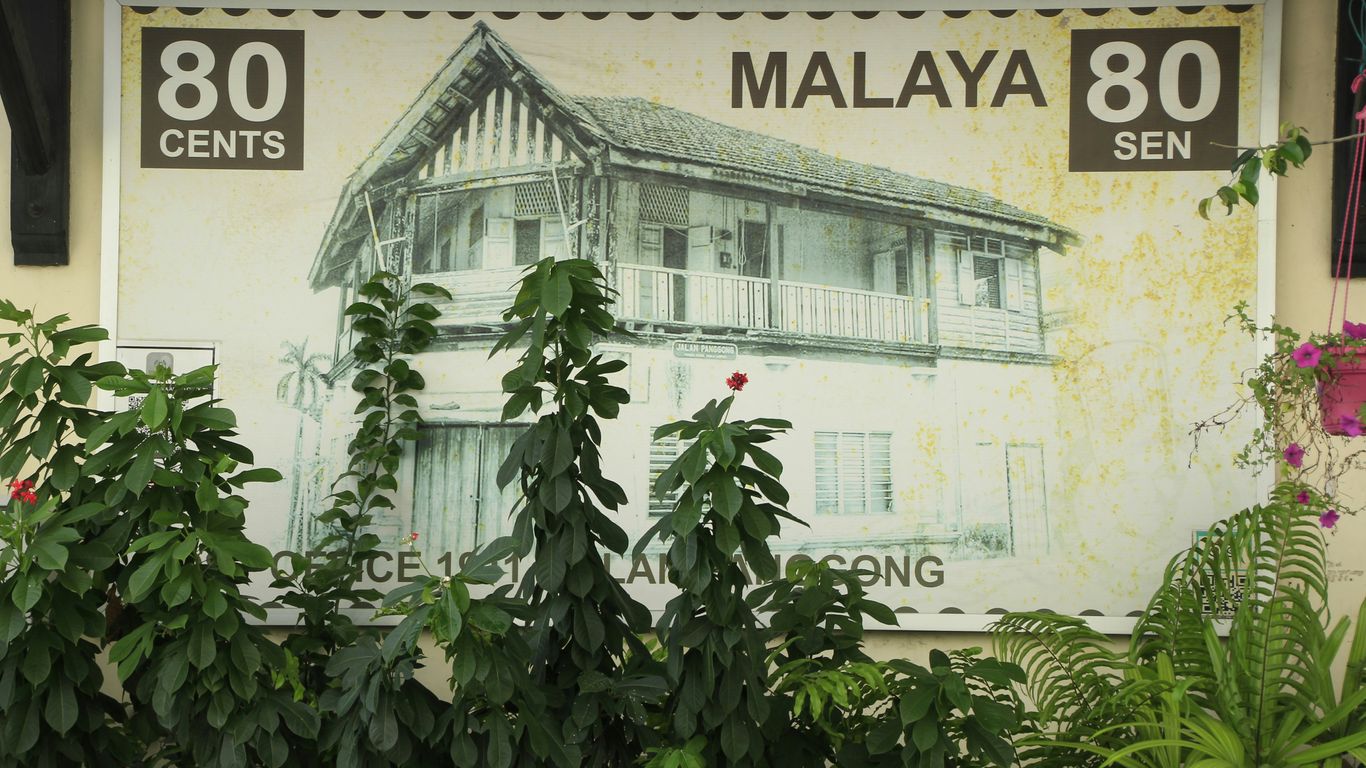
The former Istana Kampong Gelam and its significance
The former Istana Kampong Gelam gives the district a strong architectural and political starting point. It helps visitors consider how authority, land and community were organised before Singapore became the modern city familiar today. The building should be read not only as an attractive historic structure but also as a place connected to Malay royalty and regional history.
Inside, the museum can prompt questions about what is preserved, whose stories are foregrounded and how a former royal site becomes part of public heritage. Those questions make the visit more meaningful than a quick circuit of rooms and photographs.
Singapore’s Malay communities in a wider regional story
Malay history in Singapore cannot be separated neatly from the movement of people, goods, ideas and religious traditions across the region. Kampong Gelam’s story reaches beyond one island and one family, linking local life with the wider Malay world. This broader frame helps explain why language, dress, faith and commerce often overlap in the district.
The heritage sites guide is useful background for visitors who want to follow these connections beyond the museum. It encourages attention to lived places, including religious buildings and old streets, rather than treating heritage as a collection of isolated monuments.
Checking reopening updates and nearby heritage sites
Access arrangements at the Malay Heritage Centre can change, so visitors should confirm current opening information before travelling. If the galleries are unavailable, Kampong Gelam still offers a rich area for careful walking, though active religious sites and residential spaces should be approached respectfully.
A short route might include the former palace grounds, nearby streets and a place for food or coffee. The point is not to replace the museum, but to understand how its historical themes continue in the district around it.
Sun Yat Sen Nanyang Memorial Hall: A quieter corner of Balestier
The Sun Yat Sen Nanyang Memorial Hall offers a different mood from the busier cultural districts. Housed in a historic villa in Balestier, it follows the connections between Sun Yat Sen, overseas Chinese communities and revolutionary activity in Southeast Asia. Its quieter setting gives political history room to unfold through correspondence, networks and personal association.
Sun Yat Sen’s links with Southeast Asia
Sun Yat Sen’s relationship with Southeast Asia was shaped by travel, supporters and Chinese communities living beyond China. Singapore was part of that wider network, not merely a distant backdrop. The memorial hall makes those links tangible by placing political ideals alongside the people and institutions that helped circulate them.
Visitors who enjoy biography will find a particularly human entry point here. The subject is political, but the story also depends on trust, hospitality, fundraising and communication across borders.
Discovering Singapore’s role in revolutionary networks
The memorial hall helps explain how a port city could become a meeting point for ideas and organised action. Political networks relied on movement and communication, and Singapore’s position in the region made it significant to those exchanges. The exhibits are therefore also a study of how communities abroad responded to events elsewhere.
That regional lens prevents the visit from becoming a single-person portrait. It brings supporters, organisers and local circumstances into view, showing how large historical changes depend on many smaller acts.
Combining the museum with Balestier’s architectural heritage
Balestier rewards a slower pace. Historic villas, religious buildings, food places and surviving architectural details sit among the practical textures of an established neighbourhood. A visit to the memorial hall can be paired with a walk that notices changes in building use and street scale rather than searching only for grand landmarks.
A focused route might include the hall, a nearby meal and a little time to look upwards at façades and rooflines. That combination gives the political story a physical setting and makes Balestier feel less like a detour than a destination in its own right.
Intimate museums for specialist interests
Some of Singapore’s most memorable heritage experiences take place in very small settings. They may centre on a home, a collection or a community’s own account of its past. These places often ask visitors to arrive with more patience, since the experience may depend on conversation, a booking or a particular guide rather than a conventional museum circuit.
The Intan and the experience of a private Peranakan home
The Intan offers a more personal encounter with Peranakan culture through the atmosphere of a private home. Its appeal lies in the combination of objects, hospitality and storytelling, where domestic interiors can open conversations about family, food, ceremony and identity. It is a reminder that heritage is often held in houses and habits, not only in public institutions.
Visitors should approach the experience as a hosted encounter rather than a quick attraction. The setting rewards attention to arrangement, material and the stories attached to individual pieces.
Singapore Musical Box Museum and the history of mechanical music
The Singapore Musical Box Museum introduces a specialist subject through the fascination of mechanical sound. Musical boxes are small objects, yet they connect craft, collecting, technology and leisure across different periods and places. The museum’s focused collection offers a pleasant change of pace for visitors who enjoy understanding how an object works as well as how it looks.
The mechanical detail is part of the historical interest. A tune emerging from a carefully made box can make questions about workmanship and ownership feel immediate rather than remote.
Eurasian Heritage Centre and community-led storytelling
The Eurasian Heritage Centre provides space for a community story that can otherwise be missed in broad accounts of Singapore’s multicultural past. Its displays and setting invite visitors to think about family histories, cultural blending and the ways identity is carried through food, language and custom.
Community-led storytelling matters because it allows people to describe their heritage in their own terms. It also encourages visitors to see culture as lived and changing, rather than as a fixed display of costumes or ceremonies.
How appointment-only visits change the museum experience
An appointment can make a small museum feel more like a meeting than an admission transaction. The visitor has a clearer sense of occasion, while the host can shape the experience around questions and interests. This arrangement is less spontaneous, but it can create the kind of attention that larger galleries rarely allow.
Before booking, visitors should ask about timing, group size, photography and accessibility. A little preparation shows respect for the people maintaining these intimate spaces and helps the visit unfold without unnecessary friction.
How to plan a small-museum trail in Singapore
A small-museum trail works best when it is built around meaning rather than maximum coverage. Singapore’s districts are compact on a map but can feel full once walking, meals and time inside each museum are included. The following approach keeps the day spacious enough for the city’s unplanned details.
Group museums by neighbourhood rather than distance alone
Chinatown, Little India, Kampong Gelam and Balestier each offer a different historical atmosphere. Grouping stops by district reduces needless travel, but the deeper benefit is thematic: the streets can reinforce what the museum has introduced. Singapore Heritage’s neighbourhood walks follow this same principle, using local routes to connect buildings with memories, foodways and everyday work.
A heritage walking route can help visitors judge how much ground is realistic. The best itinerary usually has one principal museum and one or two nearby experiences, rather than a race between several distant addresses.
Check opening hours, bookings and temporary closures
Practical checks are especially important for smaller venues. Before leaving, a visitor should confirm the following details:
- Current opening days and public-holiday arrangements.
- Whether timed admission or advance booking is required.
- Any renovation, exhibition change or temporary closure.
- Rules covering photography, children and group visits.
These checks protect the character of the visit. They also leave more time for a useful alternative if a museum cannot be entered that day.
Allow time for surrounding food, architecture and places of worship
The area around a museum is not filler between appointments. Food stalls, old trades, religious buildings and ordinary shopfronts often provide the evidence that a neighbourhood remains alive. A neighbourhood walking guide can suggest ways to connect Chinatown, Kampong Gelam and Little India without flattening their differences.
Singapore Heritage’s researched gifts also reflect this interest in objects and local stories, offering a way to carry a carefully chosen piece of the experience home. The emphasis is on connection and provenance, not on collecting a generic reminder of a day out.
Decide between a focused visit and a full heritage itinerary
A focused visit might mean one museum, one meal and a short walk. That is enough for families, school groups or visitors with limited time. A fuller itinerary could add a second district, a guided walk or a community experience, but it should still leave space to absorb what has been seen.
| Visit style | Suitable for | A sensible shape |
|---|---|---|
| Focused museum visit | First-time visitors or families | One museum, nearby food and a short walk |
| Neighbourhood half-day | Curious residents or visitors | One museum, two local stops and time outdoors |
| Full heritage day | Returning visitors or dedicated history lovers | Two museums in related districts with generous breaks |
The table is less a strict timetable than a reminder that depth usually comes from choosing fewer stops. A visitor who leaves with one vivid room, street or story may have had a richer day than someone who hurried through four institutions.
For visitors wanting a guided continuation, they can book a tour that places local stories and walking in conversation. The choice between self-guided and hosted travel depends on whether the day calls for independence, context or the pleasure of hearing a familiar street explained by someone who knows it well.
Conclusion
Singapore’s small heritage museums reward visitors who look closely and move slowly. Their galleries become more resonant when paired with the streets, meals, buildings and communities around them, creating a fuller sense of how the city’s past remains present.
Frequently Asked Questions
Which small heritage museums are especially good for first-time visitors?
Chinatown Heritage Centre, Indian Heritage Centre and Malay Heritage Centre offer accessible introductions to distinct community histories, while Sun Yat Sen Nanyang Memorial Hall suits visitors drawn to regional political history.
How long should a visitor spend at a small museum?
Around one to two hours is a useful starting point, though intimate or appointment-based experiences may take longer. Extra time should be reserved for the surrounding neighbourhood.
Are Singapore’s heritage museums suitable for children?
Many are, particularly when adults connect the displays to food, homes, work and streets the children can see afterwards. Shorter visits with a simple theme often work better than trying to cover everything.
Do visitors need to book these museums in advance?
Some venues use timed entry or appointments, while others have standard opening hours. Checking the official website before travelling is the safest approach, especially during renovations or holiday periods.
What should visitors do around places of worship?
Visitors should dress appropriately, follow posted guidance, avoid obstructing worshippers and ask before taking photographs. Quiet observation is usually more respectful than treating an active religious site as a backdrop.
Can several heritage museums be visited in one day?
Yes, but two substantial visits are often more comfortable than trying to see every centre. Choosing museums in nearby districts leaves room for walking, food and reflection.
What makes a neighbourhood museum different from a national museum?
A neighbourhood museum usually concentrates on a particular community, place or theme. Its smaller scale can offer closer detail and a stronger connection between the displays and the living streets outside.