
Key Takeaways
Singapore’s wet markets are places where food, memory and neighbourhood life meet. Their history is best understood through the people and everyday routines that keep them active.
- Wet markets grew from informal trading into planned neighbourhood spaces.
- Their sights, sounds and smells reflect practical food preparation.
- Trust between stallholders and customers is built over repeated visits.
- Markets connect shopping with breakfast, conversation and local belonging.
- Their future depends on supporting people as well as preserving buildings.
How Singapore’s wet markets came to be
The history of Singapore’s wet markets is not only a story of buildings and regulations. It is also a story of movement: vendors moving from streets into planned centres, families settling into new estates, and shoppers carrying familiar habits into changing surroundings. A market can look ordinary from the outside while holding several generations of local memory within its counters and passageways.
From street hawkers and informal trading to purpose-built markets
Before the familiar market halls of modern estates, fresh food was often sold through informal street trading and itinerant hawking. Vendors followed customers, worked near homes and transport routes, and relied on knowledge of where demand would appear each day. These arrangements were lively but difficult to regulate, particularly when perishable food, drainage and waste were involved.
The move towards purpose-built markets brought stalls under one roof and made services such as water supply and cleaning easier to organise. It did not erase the old habits. The calls, personal recommendations and practical bargaining of street commerce continued inside the new spaces, giving planned markets a distinctly human rhythm.
Post-war urban planning and the relocation of neighbourhood stalls
Post-war Singapore required housing, sanitation and reliable access to food on a much larger scale. As new estates took shape, market stalls were relocated alongside homes, transport links and food centres. This arrangement made fresh shopping part of the daily architecture of neighbourhood life rather than a separate trip into the city centre.
The relocation could be disruptive for traders and customers, yet it also created new communities. A stallholder might gain a more permanent base, while a family moving into a new estate could quickly find familiar ingredients, breakfast tables and people who knew the area. The story of organised hawker centres, explored in hawker culture, helps explain this wider shift from itinerant trade towards shared civic spaces.
What “wet market” means in the Singaporean context
In Singapore, “wet market” generally refers to a market selling fresh and perishable food such as fish, meat, poultry, fruit and vegetables. The term distinguishes these stalls from “dry” goods sellers, although the boundary can feel less rigid in a real neighbourhood market. Cooked-food stalls, provision shops and coffee shops often sit close by, creating a wider food ecosystem.
The word can sound stark to visitors unfamiliar with it. In practice, it points to the water used for washing, cleaning and keeping floors workable as fresh produce is handled. The term should not be treated as shorthand for wildlife trading: ordinary Singaporean wet markets are primarily places for everyday food shopping.
Why markets remain part of Singapore’s living heritage
A market remains living heritage because it is still used, adapted and argued over. Its value lies not only in old tiles or a distinctive roof but in the knowledge exchanged across the counter: how to choose a fish, which greens are best for soup, or when a particular stall receives its delivery. These details are rarely captured by a monument plaque.
For Singapore Heritage, this kind of everyday knowledge belongs beside formal landmarks in the island’s heritage story. A market records migration, work, cooking and family life in motion. Its history is carried by routines that may seem small but are repeated thousands of times.
Reading a market through its sights, sounds and smells
A wet market is read with the whole body. The floor may be damp, the air cool near a mound of ice, and the passage suddenly crowded when a delivery arrives. These sensory details are not decoration; they reveal how the market works and why different halls develop such strong identities.
The choreography of deliveries, chopping and haggling
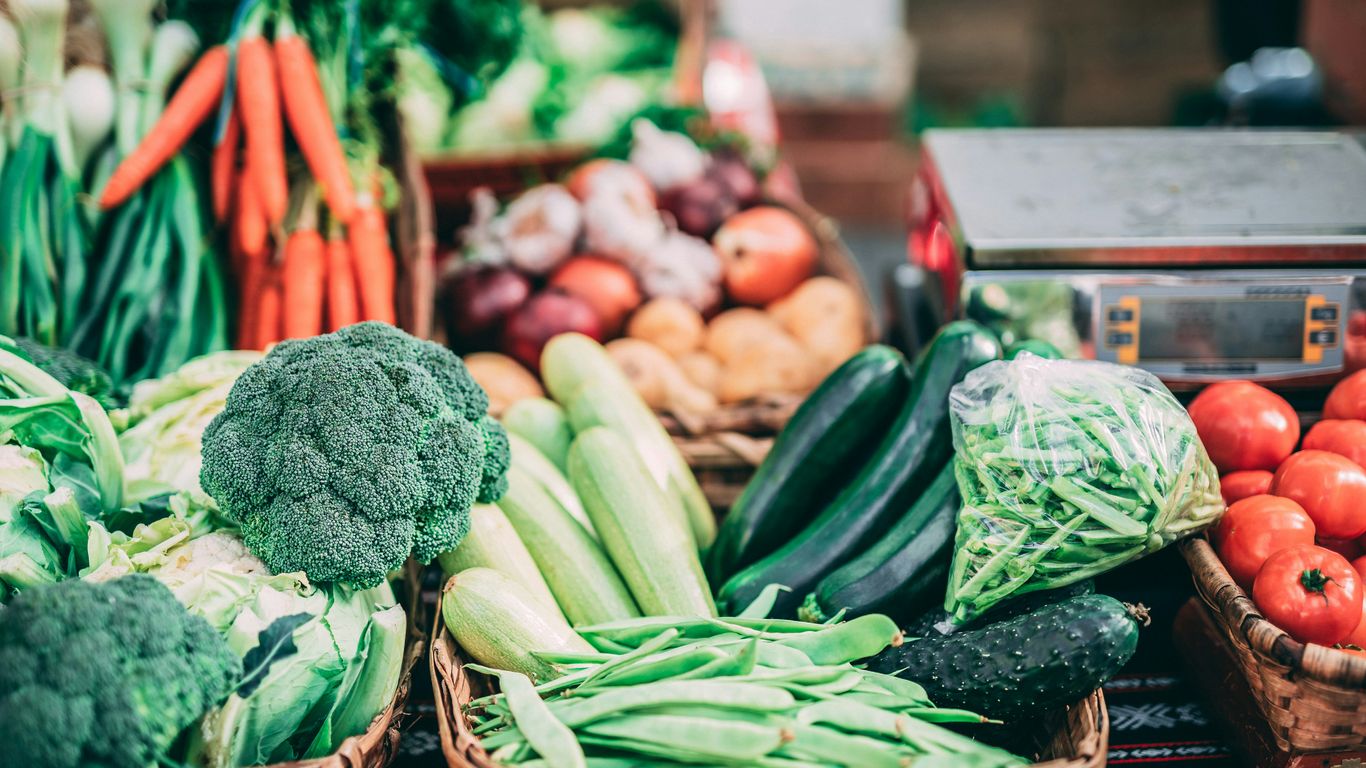
The day begins with movement before many shoppers arrive. Crates are shifted, plastic sheets are pulled back, knives strike boards in quick, practised rhythms, and vendors arrange produce so that freshness is visible from the aisle. Each action has a place in a compact choreography shaped by limited space and long experience.
Conversation moves through it all. A customer asks for a portion, a stallholder weighs it, another worker calls out a price, and someone pauses to greet a neighbour. Bargaining is not always dramatic; often it is a shorthand between people who already understand one another.
Ice, water and the practical origins of the name
Water has always been central to the practical work of a fresh-food market. It helps sellers clean surfaces and produce, while ice slows the warming of seafood and other perishables. The wet floor is therefore less an aesthetic feature than a trace of the work taking place around it.
Modern hygiene expectations have changed how markets are maintained, but the basic relationship between water, freshness and labour remains visible. A shopper who notices the drains, hoses and melting ice is seeing part of the market’s infrastructure rather than an incidental inconvenience.
The aromas of seafood, herbs, spices and cooked breakfasts
The smell of a wet market changes from one aisle to the next. Seafood brings a clean, briny sharpness; leafy vegetables add a green freshness; herbs and spices gather in warmer, sweeter layers. Nearby cooked-food stalls contribute coffee, toast, noodles or rice, so the market’s morning often smells like both a kitchen and a store room.
These aromas also speak of Singapore’s mixed food traditions. Ingredients associated with Chinese, Malay, Indian and other culinary practices may sit within a few steps of one another. The market lets those traditions meet before they become a finished dish.
How each market develops its own sensory character
No two neighbourhood markets sound exactly alike. One may be known for the brisk calls of seafood sellers, another for the clatter of breakfast tables or the gentle pace of an established estate. The shape of the building, the age of its traders and the surrounding community all influence the atmosphere.
The result is a kind of local accent. Visitors may remember a market by its damp concrete, its particular coffee aroma or the sound of trolleys over the floor. Residents often recognise it without thinking, as one recognises a familiar voice.
The daily rituals of neighbourhood shopping
Shopping at a wet market is usually less anonymous than buying food from a shelf. The trip has a beginning, a sequence and often a small closing ritual: a coffee, a greeting, or a return home with bags balanced carefully in both hands. The Singapore wet market history becomes tangible through these repeated mornings.
The early-morning trip for fish, meat and vegetables
Early morning is when the market feels most purposeful. Deliveries are fresh, popular items have not yet thinned out, and shoppers can ask questions without holding up a long queue. Some arrive with a precise list; others decide dinner while looking at what has come in.
The trip also fits the practical demands of domestic life. A shopper may buy fish for lunch, vegetables for soup and herbs for a family recipe in one circuit. The market is efficient, but never entirely transactional because each purchase may involve a small exchange of advice.
Stallholder recommendations and the language of trust
Trust grows from useful knowledge rather than grand promises. A stallholder might suggest a smaller fish for one person, point out which vegetables will keep, or explain how a cut of meat should be prepared. Customers return because the advice has proved dependable over time.
This language is often economical. A few words, a glance at the produce and a familiar way of packing the order can communicate more than a long explanation. Trust is built in small acts, repeated until a transaction feels like part of a relationship.
Choosing produce through touch, sight and conversation
Fresh shopping asks the customer to look closely. Colour, firmness, weight and smell all offer clues, while conversation provides the knowledge that cannot be seen. A shopper learns which fruit is ready today, which greens suit a particular dish and how much is enough for a household.
The process is tactile without being careless. Produce is handled with purpose, and experienced shoppers often make a decision quickly because they have learnt what to notice. That practical literacy is one of the skills markets quietly teach.
How regular visits turn shopping into a social routine
Repeated visits create recognition. The same customer may meet the same fishmonger, queue beside a neighbour and sit near familiar faces after shopping. These encounters can be brief, yet they give the morning a dependable social shape.
A compact list of what the routine can hold includes:
- A greeting before the first purchase.
- Advice about ingredients or preparation.
- News about a neighbour or family member.
- Breakfast and conversation after the shopping is done.
The list is simple because the value is cumulative. A market becomes part of a person’s week through ordinary contact, not through one spectacular event.
The people behind the counters
The character of a wet market rests with its stallholders. Their work combines physical effort, purchasing knowledge, food skills and emotional attentiveness. Behind every display is someone managing stock, weather, costs, customers and the uncertain question of who will take over next.
Family businesses and knowledge passed between generations
Many stalls depend on family labour, whether relatives work side by side or pass knowledge informally over years. Children may learn how to judge quality, speak with suppliers, clean a workspace or remember the preferences of regulars before they decide whether market work will be their future.
Knowledge is rarely written down in full. It lives in gestures and timing: how a knife is held, how fish is wrapped, or how much to set aside for a long-time customer. When that knowledge moves between generations, the stall carries more than a name.
Fishmongers, butchers, vegetable sellers and specialist vendors
Each kind of stall has its own expertise. Fishmongers work with freshness, cutting and speed; butchers understand texture, portion and preparation; vegetable sellers track seasonality, storage and changing supply. Specialist vendors may know particular herbs, preserved foods or ingredients tied to regional cooking.
These trades are part of a wider pattern of old work in Singapore. The old trades guide places stallholders alongside repairers, bakers and craftsmen, showing how accumulated practical knowledge survives through use rather than display.
The relationships that sustain long-term customers
A long-term customer is not simply a repeat sale. The relationship may involve remembering a family’s preferences, adjusting a portion, putting aside a hard-to-find ingredient or asking after someone who has not appeared for a while. Such gestures are modest, but they can make a large market feel local.
Customers also sustain the relationship through behaviour. They return, recommend a stall, wait patiently during busy periods and sometimes bring younger relatives into the same routine. A market’s social life is built by both sides of the counter.
The pressures facing ageing stallholders and small traders
Market work is demanding and often begins before dawn. Older stallholders may face rising rents, heavier compliance requirements, unpredictable supply costs and the physical strain of standing, lifting and cleaning. Even when customers remain loyal, loyalty alone cannot resolve every pressure.
Succession is especially difficult when younger family members have other work available. If a stall closes, the loss is not only a food option. It can mean the disappearance of a particular technique, supplier relationship and archive of local memory.
Wet markets as social spaces
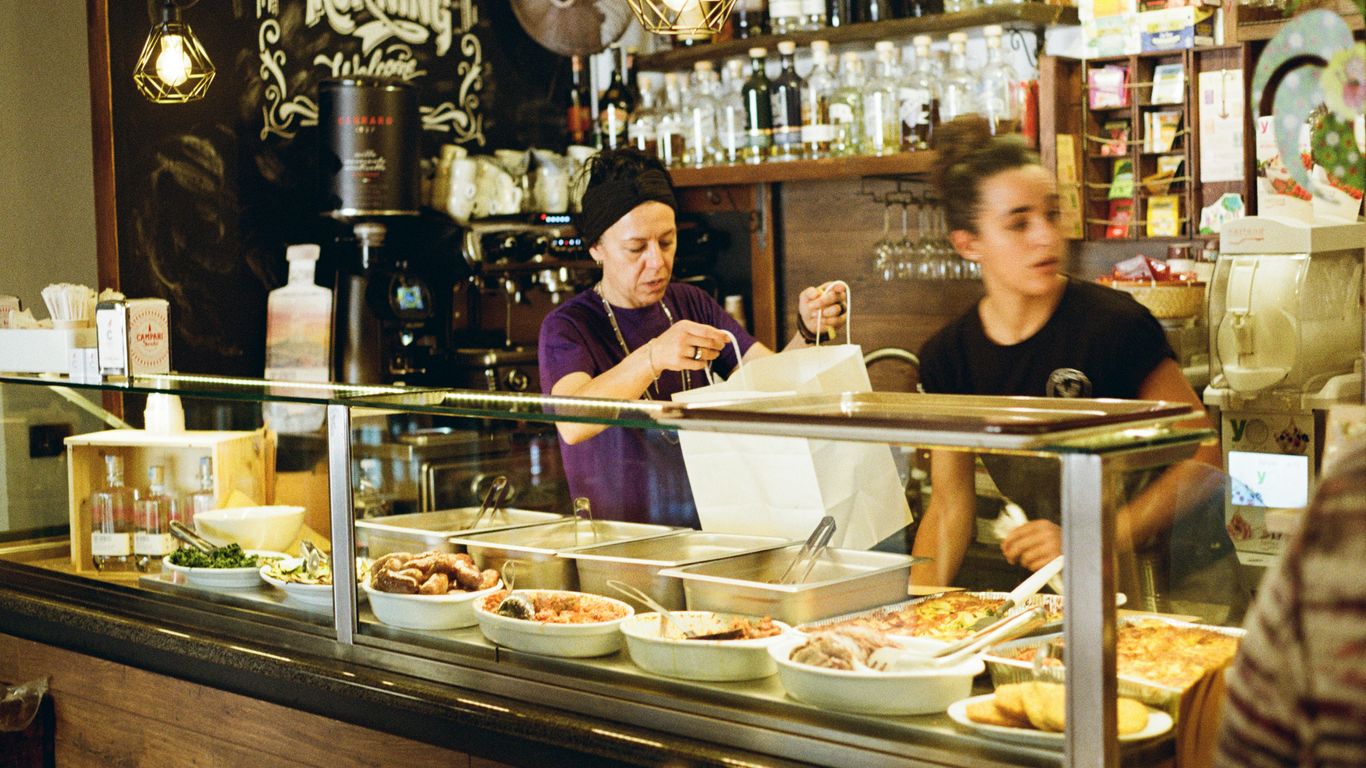
The market’s importance extends beyond the stalls. Its surrounding coffee shop, food centre, benches and walkways create a setting where people meet without needing a formal invitation. Shopping gives those encounters a practical reason to happen.
Shared tables, coffee shops and the market’s wider ecosystem
Many markets sit beside or within larger food centres, so a basket of vegetables may lead naturally to breakfast. Shared tables encourage strangers to sit near one another, while coffee shops provide a slower pause after the briskness of shopping. The market and the kopitiam work as connected spaces.
The objects of that setting matter too: cups, saucers, tiled tables, trays and handwritten orders carry traces of repeated use. A thoughtful account of kopitiam objects shows how ordinary things can preserve social history when people continue to use them.
Encounters between generations, cultures and communities
A market brings together residents who might otherwise pass one another on separate schedules. Older shoppers, young parents, workers, students and visitors share the same narrow aisles, each bringing different food habits and memories. The encounter is often quiet, but it is still a form of civic life.
The mix is also cultural. Ingredients, languages and cooking traditions overlap without needing to be arranged into a single story. The market’s strength lies partly in allowing difference to remain visible and practical.
Markets as places of care, gossip and local belonging
Care often appears as information. Someone notices that a regular is unwell, a vendor explains how to cook an unfamiliar vegetable, or a neighbour passes on news about a lift repair or a family event. Gossip can be affectionate, irritating or both, but it keeps people connected to the place around them.
This is why a market can matter to people who buy only a little. The visit offers recognition and orientation. It tells residents that they are part of a living neighbourhood rather than merely occupants of a block.
The role of hawker centres and wet markets in neighbourhood identity
Wet markets and hawker centres are often remembered together because they combine food preparation, eating and conversation. A neighbourhood may be identified through the market’s breakfast, the hawker centre’s signature dishes or the vendors who have stayed through several changes of tenancy.
That shared identity is not frozen. As described in neighbourhood stories, heritage is found in evolving communities and the layers of daily use, not only in preserved façades. The market remains meaningful when residents continue to shape what it becomes.
Landmark markets and their distinctive characters
Singapore’s landmark markets are often discussed as destinations, but their deeper interest comes from the neighbourhoods around them. Each has a different relationship with housing, migration, food businesses and redevelopment. Comparing them reveals how a common market form can produce very different local personalities.
Tekka Centre and the multicultural texture of Little India
Tekka Centre is closely associated with Little India’s busy mixture of food, trade and community life. Its market offers ingredients and cooking traditions that sit within a wider district of spice sellers, eateries, temples and family-run businesses. The building is therefore best understood as part of an active neighbourhood rather than an isolated attraction.
Its character comes from proximity. A shopper can move from fresh produce to cooked food, from a market conversation to the streets beyond, and encounter several cultural registers within a short walk. Little India’s wider food and trade history is explored in this Little India guide.
Tiong Bahru Market between heritage and gentrification
Tiong Bahru Market sits within one of Singapore’s most recognisable housing estates, where modern cafés and older everyday businesses share the same broad setting. Its significance lies partly in this tension. The market remains a place for regular shopping and breakfast even as the surrounding area attracts new residents and visitors.
The estate’s history adds depth to the experience. Planning, public housing, food traditions and small provision shops have all shaped its identity over time. A closer Tiong Bahru history helps place the market within those longer routines rather than treating it as a fashionable backdrop.
Ghim Moh Market and the rhythms of an established estate
Ghim Moh Market and Food Centre has served an established residential community since the early 1970s. Its atmosphere is grounded in repetition: familiar queues, regular breakfast orders, and the steady exchange between a wet market and food centre. The surrounding estate gives the market a sense of daily continuity.
Its appeal is not based on novelty. It is the kind of place where a visitor can learn by observing how residents move, wait, choose and eat. The market’s history and present-day food culture are captured in this account of Ghim Moh Market, which reflects its place in Singapore’s evolving urban life.
Chinatown Complex and the evolution of a central-city market
Chinatown Complex brings market shopping into a district shaped by early migrant life, trade networks and changing patterns of residence. Its significance comes from the way old commercial functions meet a busy central-city environment. Nearby streets, shophouses, temples and food businesses add further layers to the market experience.
The market is also a reminder that central neighbourhoods are not museum pieces. Their communities change, businesses adapt and old spatial arrangements acquire new uses. The story of Chinatown shophouses offers useful context for understanding how homes, workplaces and community hubs once worked together.
Change, resilience and the future of Singapore’s wet markets
Wet markets have always changed. Regulation, redevelopment, housing policy and consumer habits have altered their form, while stallholders have adjusted their work to survive. The future question is not whether markets should remain exactly as they were, but what must be protected when their surroundings and business conditions shift.
Hygiene regulation, redevelopment and modern market design
Hygiene regulation has brought clearer expectations around cleaning, drainage, storage and food handling. Redevelopment can improve facilities and accessibility, yet it may also change the scale, atmosphere or affordability of a market. A cleaner or newer building does not automatically reproduce the relationships that made the old one valuable.
Good design needs to support actual work. Stallholders require usable storage, practical washing areas, sensible delivery routes and spaces where customers can move safely. Modernisation works best when it listens to the people who understand the market’s daily pressures.
Supermarkets, online groceries and shifting shopping habits
Supermarkets offer convenience, predictable hours and easy comparison. Online groceries reduce the need to travel and can suit households managing work, children or limited mobility. Wet markets therefore compete not only on price but on freshness, advice and the human experience of choosing food.
Some households divide their shopping between several formats. A supermarket may cover staples, while a market visit supplies fish, herbs or a conversation with a trusted vendor. The future is likely to involve overlap rather than a simple victory of one system over another.
Rising costs, disappearing trades and the challenge of succession
Small traders face costs that customers may not see: rent, utilities, transport, refrigeration, packaging, labour and unsold stock. A stall can be well loved and still be difficult to hand on. The loss of a specialist vendor may leave a gap that no larger retailer can quite fill.
Succession requires more than encouraging young people to admire traditional work. It requires viable conditions, training, respect for skill and room for new approaches. The wider old trades of Singapore show why adaptation is part of continuity, not a betrayal of tradition.
Why preservation must include people, not only buildings
A preserved market building can become strangely empty if the people who gave it meaning cannot afford to remain. Preservation should therefore include stallholders, customers, recipes, working methods, memories and the right of communities to describe their own places. This is a more demanding form of care, but it is also more honest.
For Singapore Heritage, community memory is shaped through stories, photographs, profiles and participation. A walk or a carefully researched object can help a familiar place be seen again, but it should never replace the people who live and work there. Markets endure when heritage remains connected to ordinary use.
Walk the Neighbourhood
Readers who want to encounter Singapore through markets, foodways and the people behind local places can book a heritage walk. Small-group, story-led experiences offer a slower way to notice the streets, trades and everyday memories that a hurried visit can miss.
Conclusion
Singapore’s wet markets endure because they make history practical: it is carried in a fishmonger’s knife, a vendor’s advice, a shared table and the route home with fresh ingredients. Their future will depend on allowing these everyday relationships to continue, so that preservation serves living communities rather than only remembered buildings.
Frequently Asked Questions
What is a wet market in Singapore?
A wet market is a neighbourhood market selling fresh and perishable foods such as fish, meat, poultry, fruit and vegetables, often alongside cooked-food stalls or a coffee shop.
Why are Singapore markets called wet markets?
The name refers to the water used for cleaning produce, washing work surfaces and managing the practical mess associated with handling fresh food. Ice and melting water around seafood stalls also contribute to the familiar description.
When is the best time to visit a wet market?
Early morning is usually the busiest and most characteristic time, when deliveries are fresh, stalls are fully stocked and regular shoppers are carrying out their daily routines.
Are wet markets only for older residents?
No. Older residents may be especially regular customers, but wet markets also serve families, cooks, workers, younger residents and visitors interested in fresh food and neighbourhood life.
What can shoppers buy at a Singapore wet market?
Common purchases include seafood, meat, poultry, vegetables, fruit, herbs, spices and other fresh ingredients. The exact range varies from one market and neighbourhood to another.
How are wet markets different from supermarkets?
Wet markets offer direct conversation with stallholders, visible preparation and advice about freshness or cooking. Supermarkets generally offer longer opening hours, packaged goods and a more standardised shopping process.
Why are wet markets important to Singapore’s heritage?
They bring together food traditions, family businesses, migration histories and repeated social routines. Their heritage value comes from continuing use and relationships, not simply from the age of the building.